There has been a lot of resurging discussion lately on when Jesus was declared and worshiped as God. It appears that many believe that Jesus was declared God in AD 325. This was recorded at the Council of Nicaea in 325 AD in what has become known as the Nicene Creed.
The argument that many antichrist apologists make from this council meeting, is that the church did not see Jesus as God until 300 years after his death. That is became a part of church doctrine, but the original followers of Jesus and early church did not believe that Jesus was God, and they did not worship him as such. This argument is spread way to easy by those who do not understand history or church doctrine. Unfortunately many Christians do not study their own cultural history, or scriptures and leave themselves vulnerable to such an attack, which can be so easily defeated with the TRUTH.
This council of the Christian church was called by the emperor Constantine I. It was the hope of the emperor to put to rest a problem created in the Eastern church by Arianism. This problem stemmed from a heresy brought about from the teachings of Arius of Alexandria that stated that (Jesus) Christ was not divine but was a created being. The council condemned this as heresy and incorporated the work homoousios. This word is the key doctrinal term that affirms Jesus is the Son of God in equality with the Father. Thus, Jesus is divine. The Nicene Creed is the only ecumenical creed because it has been repeatedly reaffirmed in subsequent church councils, and it is accepted as authoritative by the Roman Catholic Church, the Eastern Orthodox, Church, the Anglican Church, and the Protestant churches of the Lutherans, Presbyterians, and Methodist. Although the Baptists do not subscribe the use of creeds in general, they are in agreement with the affirmation of the Nicene Creed.
The following is the wording of the Nicine Creed as shared by the United States Conference of Catholic Bishops.
The Nicene Creed
I believe in one God, the Father almighty, maker of heaven and earth, of all things visible and invisible.
I believe in one Lord Jesus Christ, the Only Begotten Son of God, born of the Father before all ages.
God from God, Light from Light, true God from true God, begotten, not made, consubstantial with the Father; through him all things were made.
For us men and for our salvation he came down from heaven, and by the Holy Spirit was incarnate of the Virgin Mary, and became man.
For our sake he was crucified under Pontius Pilate, he suffered death and was buried, and rose again on the third day in accordance with the Scriptures.
He ascended into heaven and is seated at the right hand of the Father.
He will come again in glory to judge the living and the dead and his kingdom will have no end.
I believe in the Holy Spirit, the Lord, the giver of life, who proceeds from the Father and the Son,
who with the Father and the Son is adored and glorified, who has spoken through the prophets.
I believe in one, holy, catholic and apostolic Church. I confess one Baptism for the forgiveness of sin, and I look forward to the resurrection of the dead and the life of the world to come. Amen.[i]
Therefore, the edit and resulting creed was not to establish Jesus as the Son of God and divine, but to affirm the belief that already existed in the face of an unfounded heresy. It simply confirmed the truth already accepted by the church.
There are other historical references that show this belief that include the following.
Thales – Palestinian historian – 232-245 A.D.
Tertillian – “Founder of Western Theology”, “Father of Latin Christianity” – 220 A.D.
Titus Flavius “Clement of Alexandria” – Theologian, Philosopher, Teacher – 200 A.D.
Bishop Irenaeus – 185 A.D.
Justin Martyr – author – 150 A.D.
Josephus – Jewish historian – 94 A.D.
These are just a few to show that there are extrabiblical writings showing that the church worshiped Jesus as divine long before the council of Nicene. Perhaps the most compelling arguments that support that the early church believed that Jesus is the Son of God comes from the scriptures themselves. All of the books of the New Testament were written no later than 110 A.D. It is commonly accepted that Jesus was resurrected around the year 33 A.D.
In these:
The gospel of John is believed to have been written as early as 90 – 110 A.D. John 10:30 reveals that Jesus claimed to be God. “I and my Father are one.” It further shows evidence that the Jewish leaders understood this claim made by Jesus (John 8:52-59). Later Thomas, one of Jesus’ disciples who at first doubted Jesus’ resurrection declared that Jesus was his Lord and his God. (John 20:28).
The gospel of Mark is believed to have been written between 64-70 A.D. In his gospel we hear of the Roman Centurian’s believe that Jesus is the Son of God (Mark 15:39)
When we factor in that these gospels and early writings had to be circulated and generally accepted by the early church through public readings, teachings, and personal studies, it is easy to draw the conclusion that the church has always believed that Jesus it the Son of God, divine, and always in existence.
Please, my dearly children, beloved of God and Jesus Christ, our Lord and our God, arm yourself with the truth. Believe upon the name that is above every name, Jesus the Christ. Remember the words of the apostle Paul to the Colossians where he declares that Jesus is the dear Son of God (1:13), “In whom we have redemption through his blood, even the forgiveness of sins:” (Colossians 1:14) Walk in strength of knowledge and in the power of heavenly wisdom. Be at peace and answer the heretic with unwavering faith, love, and hopeful anticipation that the truth will set them free also.
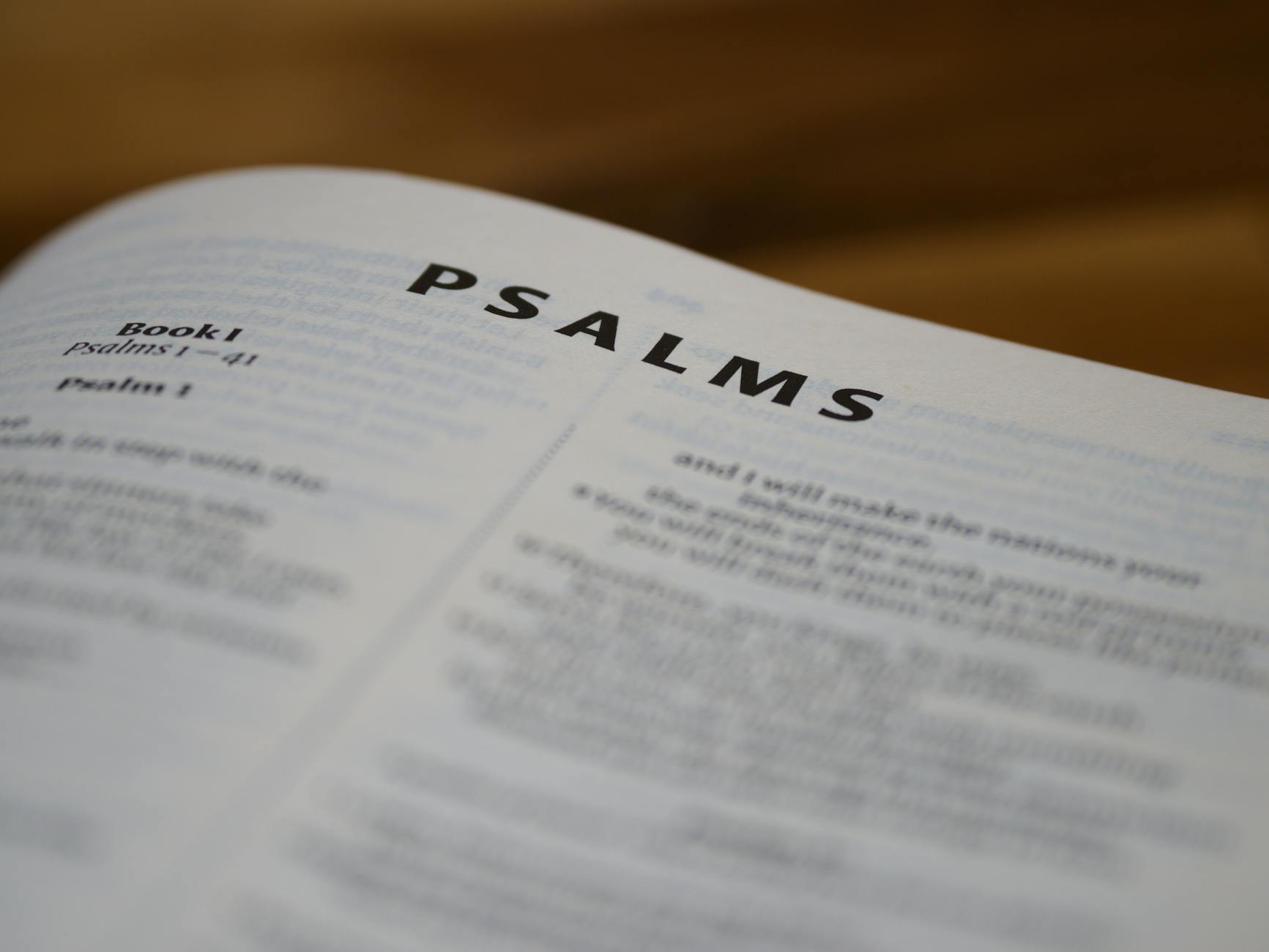
Psalm 77 is to the chief musician, to Jeduthun and is a psalm of Asaph. Jeduthun and Asaph were Levites and two of three Masters of Music appointed by king David. (1 Chronicles 16:41-42; 25:1-6)
This is an awesome psalm of one crying out to God and having full confidence that his supplications have been heard. There is also a certain amount of spiritual maturity shown in the writer. Right off we see that he is willing to wait for and to accept the will of the Lord. He has full confidence in the Lord and his capabilities, cares, and goodness towards him.
The psalmist starts with a message of pure hope, “I cried unto God with my voice, even unto God with my voice; and he gave ear unto me.” He is very specific. I cried unto God, with my voice, and he listened. What a glorious faith that is, to know that God hears his children when they cry.
We also see the consistency of the prayer made. He says that he prayed hard all night, he ceased not. His soul could not be comforted. He remembered God in his distress, and he complained, he was overwhelmed with is plight. Here in this we see the confidence and confoundment the seeker has, he says that God sees him, he knows all that he does. Even when he sleeps, God knows when he awakes. So there is no mistaking that God knows what vexes his soul. He is confused as to when God will deliver him, or if at all. But he takes comfort in remembering what God has done for him in the past. So that even if God does not deliver him, he still knows that God is good. He is willing to accept the will of the Lord, for he trusts the judgement of the Lord.
In his remembrance of what the Lord has done he remembers that God is the same God who declared his strength to his people in how he delivered the sons of Jacob and Joseph. How he controls the seas, and the storms have no strength against his will. His ways are as unknown as the depths of the oceans. His plans are undiscoverable. His will is above all. Yet he chose to lead his people like a flock by the hand of Moses and Aaron. How beautiful is our God. How perfect is his way.
1 (To the chief Musician, to Jeduthun, A Psalm of Asaph.) I cried unto God with my voice, even unto God with my voice; and he gave ear unto me. 2 In the day of my trouble I sought the Lord: my sore ran in the night, and ceased not: my soul refused to be comforted. 3 I remembered God, and was troubled: I complained, and my spirit was overwhelmed. Selah.4 Thou holdest mine eyes waking: I am so troubled that I cannot speak. 5 I have considered the days of old, the years of ancient times. 6 I call to remembrance my song in the night: I commune with mine own heart: and my spirit made diligent search.7 Will the Lord cast off for ever? and will he be favourable no more? 8 Is his mercy clean gone for ever? doth his promise fail for evermore? 9 Hath God forgotten to be gracious? hath he in anger shut up his tender mercies? Selah. 10 And I said, This is my infirmity: but I will remember the years of the right hand of the most High. 11 I will remember the works of the LORD: surely I will remember thy wonders of old. 12 I will meditate also of all thy work, and talk of thy doings. 13 Thy way, O God, is in the sanctuary: who is so great a God as our God? 14 Thou art the God that doest wonders: thou hast declared thy strength among the people. 15 Thou hast with thine arm redeemed thy people, the sons of Jacob and Joseph. Selah. 16 The waters saw thee, O God, the waters saw thee; they were afraid: the depths also were troubled. 17 The clouds poured out water: the skies sent out a sound: thine arrows also went abroad. 18 The voice of thy thunder was in the heaven: the lightnings lightened the world: the earth trembled and shook. 19 Thy way is in the sea, and thy path in the great waters, and thy footsteps are not known. 20 Thou leddest thy people like a flock by the hand of Moses and Aaron.
What a great place to be. On our knees, pleading our case before God. What a great assurance we have to know that he has bent his ear towards us. He has not simply nodded his head as he reads the morning headlines. He has not just read the summary of the book. He has instead given his full attention. In knowing all that is in our hearts, nothing was assumed. He has cherished every word that slipped through our trembling lips. Every tear cried, every agonizing groan had been felt by God, even my God… our God.
We can rest assure as the psalmist that we have been heard. That our cause has been understood and is under the perfect consideration of the one who is perfect in all of his ways. He who chose to deliver Israel, he who chose to deliver our very souls from sin and death. Surely we can have confidence that no matter what his decision may be, that our best interests are in his heart. Selah…
Psalm 73 starts the 3rd book of the Psalms. It is a Psalm of Asaph. It discusses the prosperity of the wicked, the chastening of the righteous, and God’s view of wickedness. It is easy for us to overlook the goodness of God in our lives. This is because what we think is good to have and to be like, and how to be treated is based on the things we see around us and are taught of in this worldly like.
1 (A Psalm of Asaph.) Truly God is good to Israel, even to such as are of a clean heart.
2 But as for me, my feet were almost gone; my steps had well nigh slipped.
3 For I was envious at the foolish, when I saw the prosperity of the wicked.
4 For there are no bands in their death: but their strength is firm.
5 They are not in trouble as other men; neither are they plagued like other men.
6 Therefore pride compasseth them about as a chain; violence covereth them as a garment.
7 Their eyes stand out with fatness: they have more than heart could wish.
8 They are corrupt, and speak wickedly concerning oppression: they speak loftily.
9 They set their mouth against the heavens, and their tongue walketh through the earth.
10 Therefore his people return hither: and waters of a full cup are wrung out to them.
11 And they say, How doth God know? and is there knowledge in the most High?
12 Behold, these are the ungodly, who prosper in the world; they increase in riches.
So when we see the wicked prosper and how quickly they are rewarded for their evil works, we can become envious of their lifestyles. We see the corruption of the politicians who mock God and steal from the poor and line their pockets, openly violating the laws and yet there seems to be no consequences, no justice. They speak evil of God and of holy things, and yet they are not punished. Their violence is rewarded with great plunder at the cost of the lives of the weak and defenseless.
13 Verily I have cleansed my heart in vain, and washed my hands in innocency.
14 For all the day long have I been plagued, and chastened every morning.
15 If I say, I will speak thus; behold, I should offend against the generation of thy children.
16 When I thought to know this, it was too painful for me;
It seems that the righteous have sanctified themselves in vain. The righteous are plagued and chastised continuously. They are mocked by the corrupted. Victimized by the aggressors and the sinful. In turning the other check the Christian is often forced to face humiliation, physical harm, emotional distress, and even death. When scripture says to present ourselves a living sacrifice, it is often very literal. For the ones who look at the world and how the wicked prosper it seems futile to remain chased. There seems to be no point in remaining innocent of blood. If the payment for sin is so lucrative, then what is the downside? However, when we turn our eyes away from the world and look to the Lord, we see his sanctuary. This is a place of rest, and security. It is a place of safety.
17 Until I went into the sanctuary of God; then understood I their end.
18 Surely thou didst set them in slippery places: thou castedst them down into destruction.
19 How are they brought into desolation, as in a moment! they are utterly consumed with terrors.
20 As a dream when one awaketh; so, O Lord, when thou awakest, thou shalt despise their image.
For God does not see the exploits of the wicked in the same manner as the world does. The Lord tell us in Proverbs, “There is a way which seemeth right unto a man, but the end thereof are the ways of death.” (Proverbs 14:12). The lifestyle that the wicked live in is a slippery slope that only leads to destruction. The very things that they are rewarded with are temporary. They lead them astray, and give them false confidences. The Word of the Lord again states, “Labour not to be rich: cease from thine own wisdom.” (Proverbs 23:4). The wicked are blinded by their own desires. When they finally see their end, it is too late. We see that the Lord does not reward them, he despises the wickedness of their hearts. He leaves them to their own ends. Their end is death eternal. This is the fate of the wicked as recorded in Revelation 21:8 – “But the fearful, and unbelieving, and the abominable, and murderers, and whoremongers, and sorcerers, and idolaters, and all liars, shall have their part in the lake which burneth with fire and brimstone: which is the second death.”
21 Thus my heart was grieved, and I was pricked in my reins.
22 So foolish was I, and ignorant: I was as a beast before thee.
23 Nevertheless I am continually with thee: thou hast holden me by my right hand.
24 Thou shalt guide me with thy counsel, and afterward receive me to glory.
25 Whom have I in heaven but thee? and there is none upon earth that I desire beside thee.
26 My flesh and my heart faileth: but God is the strength of my heart, and my portion for ever.
27 For, lo, they that are far from thee shall perish: thou hast destroyed all them that go a whoring from thee.
28 But it is good for me to draw near to God: I have put my trust in the Lord GOD, that I may declare all thy works.
But the ones who seek righteousness. They are filled through the steady leading of the LORD. For he does chastise in order to correct in love. His chastisement brings wisdom, in the fear of the LORD and the working of his hands. When his flesh is tired and worn out, the LORD is his strength to continue on the way of righteousness, which delivers him from the wrath of God. This grooming by the Lord God is what brings a man to Jesus Christ the righteous. Those who see the value of the sacrifice made for them by the death, burial, and resurrections of Jesus Christ have this righteousness imputed to them. So this very chastisement is a sanctuary protecting us and causing us to continue in righteousness. It keep us close to the heart of God. But those who do not listen to the chastisement of the LORD, they are far from him. They do not fear him. They do not seek his righteousness in Jesus Christ. Instead they follow the god of this world. Instead of seeking eternal peace with God they seek the temporary rewards of this dying world. Scripture calls them idolaters, adulterers who whore themselves out to Satan. All those who whore themselves after the god of this world, they “shall perish”. So as Asaph declares, “it is good for me to draw near to God: I have put my trust it the Lord God, that I may declare all thy works.”. God has provided a pardon and dismissal of your unrighteousness in Jesus Christ, and only Jesus Christ. This is the declaration of the work of God. “For he hath made him to be sin for us, who knew no sin; that we might be made the righteousness of God in him.” (2 Corinthians 5:21)
In the seventh chapter of the book of Second Samuel, David looks around and sees how much the Lord has blessed him, and how rich and comfortable his life is. After many years of hiding in the wilderness, being pursued, and having to make war. David has finally been granted a place of rest. He is no longer living in caves or tents. He has a house made of cedar and it is filled with the spoils of war and is a vision of success. David knows that this is all because of the provisions of God. David loves God and does not see where he should have to live in a tent, if his servant does not have to live in one. So he proposes to build a great house for the Lord to rest in.
God is moved by David’s love and concern for him. The Lord says that he does not dwell in buildings, or tents, or things made by man. He has never required a permanent residence to be built for him. His only requirement to the king, and any other leader, was that they feed his children, Israel, and to keep his commandments. Still David’s desire was sincere, and that moved the heart of the Lord God to compassion for David. So God gives David a special dispensation of Grace. In this dispensation he reconfirms his covenant with Abraham, Isaac, and Jacob (Israel). He gives David an eternal promise.
This was the promise that God gave David, God would honor David’s love for him by establishing his throne forever. Israel would benefit from the desire of David to build a permanent residence for the Lord, by the Lord building a permanent residence for Israel. The Lord said, “Moreover I will appoint a place for my people Israel, and will plant them, that they may dwell in a place of their own, and move no more…” (v.10). The Lord even promised of a seed to come through David’s lineage who would build a house for the Lord and whose kingdom would be established forever. God said that he would be his father (the seed’s) and that he would be my son. He said that this future ruler would be chastise by a rod and have the stripes of the children of men. He would be merciful in judgement, and the house and throne of David would be established forever through this king. The prophet Isaiah spoke, “In mercy shall the throne be established: and he shall sit upon it in ruth in the tabernacle of David, judging, and seeking judgement, and hasting righteousness.”. (Isaiah 16:5) So the Lord God was moved by David’s love for him and his desire to give the Lord a place to rest, that God in turn gave David and Israel a place to rest.
God confirmed his commitment to Israel through his promise to establish the house of David forever, through the coming Messiah. The promised seed from Genesis would be delivered through the lineage of King David. The grace of God was shown in this dispensation. There was no condition of this promise. God gave this assurance to David because he loved David’s love towards him. We can see that God keeps his promise to David even though Israel violates their covenant with God. Perhaps we can see a little of why Jesus now intercedes before the throne of God the Father for us. We are established in the covenant that God made with himself in the blood of Jesus. Because the Father made this promise to Jesus, that those who believe in him would have eternal life, so the model of the promise to David. Israel would be spared because to the promise God made with David. Now the covenant is no longer necessary for salvation. It is the grace of God towards one who has already please him in love. So in Ezekiel, even though destruction is warned of Israel, it is for chastisement. Israel would be redeemed in the end, when this promised seed to David comes to claim his throne and establish his kingdom, forever. “Therefore will I save my flock, and they shall no more be a prey; and I will judge between cattle and cattle. And I will set up one shepherd over them, and he shall feed them, even my servant David; he shall feed them, and he shall be their shepherd. And I the LORD will be their God, and my servant David a prince among them; I the LORD have spoken it.” (Ezekiel 34:22-24).
The Lord uses terms like… “ know that I the LORD their God am with them”… “I am your God”. The Lord tell us through the prophet Ezekiel that he will make the lands of the enemies of King David to be desolate. The Lord says, “And I will fill his mountains with his slain men: in thy hills, and in thy valleys, and in all thy rivers, shall they fall that are slain with the sword.” ( Ezekiel 35:8). The Lord also promises restoration of Israel, “And I will multiply upon you man and beast; and they shall increase and bring fruit: and I will settle you after your old estates, and will do better unto you than at your beginnings: and ye shall know that I am the LORD.” (Ezekiel 36:11) The Lord even goes further and promises not only to revive their lands and lineages, and to multiply them, but he promises to deliver them from all uncleanliness and to give them new hearts that love the Lord. (36:26) The Lord even promises the resurrection of the dead from Israel. “Therefore prophesy and say unto them, Thus saith the Lord GOD; Behold, O my people, I will open your graves, and cause you to come up out of your graves, and bring you into the land of Israel. And ye shall know that I am the LORD, when I have opened your graves, O my people, and brought you up out of your graves, And shall put my spirit in you, and ye shall live, and I shall place you in your own land: then shall ye know that I the LORD have spoken it, and performed it, saith the LORD.” (Ezekiel 37:12-14). Something to consider is what the Lord says concerning King David in Ezekiel 37:24. Ezekiel prophecies saying, “And David my servant shall be king over them…”. Many interpret this to say that Jesus as the son of David will be the ruler. But remember, the Lord has just raised all the dead of Israel from the grave. There is not reason why David could not rule over Israel and still serve the King of Kings, Jesus Christ, the Son of God.
The story of Deborah is relayed to us in the book of Judges in chapters 4 and 5. Deborah is from the tribe of Ephraim. She lived between Ramah and Bethel in mount Ephraim. She was married to a man named Lapidoth. Nothing else is mentioned of him. The uniqueness of Deborah is that she was the only female judge mentioned in the scriptures. She was known for her wisdom and prophetic prowess. Judges 4:5 says, “The children of Israel came up to her for judgement.”. She is referred to as “the Mother of Israel”, and is also known for song writing. She is the only prophet besides Samuel who was also a judge. She was also a prophet who was a strong decisive leader, which makes her analogous with Moses and Joshua. This is all in a time when women did not generally hold high positions in society.
As a leader Deborah was courageous. She served with wisdom and knowledge. She trusted God and supported the people that God appointed as leaders. She did not seek to usurp the authority of the leadership already established by God. Unlike another female leader in Israel named Athaliah who murdered her own grandsons in order to seal the crown. The scripture reads, “And when Athaliah the mother of Ahaziah saw that her son was dead, she arose and destroyed all the seed royal. But Jehosheba, the daughter of king Joram, sister of Ahaziah, took Joash the son of Ahaziah, and stole him from among the king’s sons which were slain; and they hid him, even him and his nurse, in the bedchamber from Athaliah, so that he was not slain. And he was with her hid in the house of the LORD six years. And Athaliah did reign over the land.” (2 Kings 11:1-3) Instead, she encouraged them to do what was right before God. In this, she was direct, unwavering in duty, and still humble enough to let others have the glory. The Song of Deborah testifies to this giving of encouragement to the people and the praise of deliverance to God. She uses terms like:
When the princes in Israel take the lead…praise the LORD! (5:2)
My heart is with Israel’s princess…praise the LORD! (5:9)
Take captive your captives (5:12) – I find this phrase particularly fascinating. Paul uses it in Ephesians 4:8 in describing salvation provided by Jesus and the importance of his ascent to heaven as in Jesus’ ascension he “let captivity captive and gave gifts unto men”. And Psalm 68:18 reports, “Thou hast ascended on high, thou hast led captivity captive: thou hast received gifts for men; yea, for the rebellious also, that the LORD God might dwell among them.”
During the time of her calling the Israelites had wandered from God and did evil in his sight. So God used the Canaanites to bring them under judgement. They were brought under the oppression of King Jabin and his strong men. They had a strong army that included 900 iron chariots and they oppressed Israel for 20 years. The men of Israel had lost their courage. Jerusalem was crushed into the dust by their tormentors. Their vineyards were destroyed, their women violated, their children starving and made into orphans. They had no mighty men of valor. Out of this God called a devout woman to be his voice. Where no man had hope in God, God spoke to Deborah. Deborah put her trust in the LORD.
One day she summoned a commander of the children of Israel to her home where she delivered a message from God. In Judges 4:7 Deborah tells Barak that God wants him to take an army to face Jabin’s army at the river Kison where Elijah slew the prophets of Baal in 1 Kings 18:40. She tells him that God will deliver his enemies into his hand, but the leader will be slain by a woman. In this way Barak will be spared from his own pride. But Barak was afraid to go into battle with out Deborah. So she went and at the time appointed of the LORD, she gave the command to Barak to do battle with the Canaanites. Later we find in the song of Deborah is says that “the river Kishon swept them away, that ancient river the river Kishon.”. We also find that Sisera the commander is slain by a woman named Jael. So the story and Song of Deborah ends with this reassurance. “So let all thine enemies perish, O LORD: but let them that love him be as the sun when he goeth forth in his might. And the land had rest forty years.” (5:31).
I hope that title caught your attention. In all honesty, I can probably say that my church is not as large as yours is. However, this title is a little funny look at the way we sometimes compare ourselves to one another. We often get caught up on how big a church is. Many like to boast that they go to such and such church, “You know the big one on the corner of such and such“. With so no lack of pride we will tell of the great sanctuary and the stain glass windows. Or maybe we will point out the multiple classrooms, the coffee shop or the bookstore. There is nothing wrong with this. Unless we put our measure of success upon how big our church is. Different size churches can have great success in their place in God’s plan. The apostle Paul wrote, “And there are differences of administrations, but the same Lord.” (1 Corinthians 12:5).
In truth most churches in the world have less than 100 people on their rolls. The bulk of churches of the world are small to medium congregations that vary from 5-250 active members (I specify active because active members are the only ones who contribute to the mission of the church – don’t fool yourself). The major growths in Christianity around the world are brought from small churches that grow into medium churches or who plant other small churches. These churches are different in their purpose and design than larger churches. They have their own positive and negative attributes.
Small churches (less than 100) have high levels of member commitment. The members are also more consistent in their tithes and offerings, and volunteer work. They have less of a staff and therefore dedicate more of their budget to missionary work. They will likely have a bi-vocational pastor, and because of their small size, he will be easily available to the membership. The membership is likely to be aware of the burden on the clergy and are more likely to assist the pastor with his duties and donate food and clothing to him and his family to ease his financial burdens. There is a genuine care in the membership for one another. Evidence of this is that these churches are likely to have a food closet that is open to any members of the local church. Membership in these churches are generally aligned from family and close friendships, and an occasionally new comer who was invited to attend and then joined the church.
Their Achilles heel of an older small church is that they are likely to have a good portion of their budget tied up in building maintenance. They are also likely to have most of their membership in being 65 or older. They are also likely to have no children. As a general rule their membership is not seeking to increase membership. If this is the case for a small church, then they are a dead church. Unless a change is brought in their evangelism they will no longer exist. For the majority of small churches who are active in evangelism, they will soon grow either in church planting other churches and missionary work, or they will increase in size and take other responsibilities and outreached in the community.
Medium sized churches of congregations of 101-250 active members are more likely to open their buildings up for use to outside organizations that serve a service to the community. Those may be the scouts, a food bank, a day care center, a meeting place for AA or NA meetings and such. They are likely to have a free library available to members instead of a bookstore or a coffee shop. Their main interests are likely to see the membership grow through discipleship classes, small group studies, consistent Wednesday evening Bible studies, Tuesday evening prayer meetings and these things. They will have active committees to care for different needs of the church, its membership, and the outreach programs. They are likely to have a lively children’s ministry, and may even have a certified school for certain age ranges.
As you can see there is a great service that the small and medium churches perform to the growth of Christianity, missions, and in service to the community. So if you’re in a small church, don’t sweat it. Enjoy the fellowship, get involved with the mission, and share the name of Jesus!
6 He spake also this parable; A certain man had a fig tree planted in his vineyard; and he came and sought fruit thereon, and found none.
7 Then said he unto the dresser of his vineyard, Behold, these three years I come seeking fruit on this fig tree, and find none: cut it down; why cumbereth it the ground?
8 And he answering said unto him, Lord, let it alone this year also, till I shall dig about it, and dung it:
9 And if it bear fruit, well: and if not, then after that thou shalt cut it down.
This passage is a call to repentance. It is not only to the sinner, but to those who think that they are holier than others. If you look into the text preceding this parable, we see Jesus is responding to a common belief that has somehow tricked down through the ages. The question is do people suffer as a punishment from God for sin? More specifically do people die as judgement from God for sin? IN the case of the Jews, they wondered if the Gentiles would receive a greater punishment because their sins were worse than the Jews? Jesus, tells them that those who had suffered, referencing the verses before, were not any worse a sinner than those of whom he was talking to. Then he tells them directly that their fate is the same, unless they repent. Then he illustrates his reasoning with this parable in Luke 13:6-9.
In this illustration, we see the owner of the fig tree who is talking with his servant about the tree. The tree was planted with the owner hoping to have the fruits that it would yield. He probably imagined like many of us would, that the tree would be a big and strong tree with many fruits. He may have imagined that he could one day lay under the shade of the tree and reach up and take a fig and enjoy the sweet delights of his investment. Maybe he could share some with neighbors, or make delicate cakes or jams with the honey like figs. He could gain joy from showing his tree off to his friends and telling them how it was just a twig when he had first planted it.
But today, was one more day among many where he had walked out to the tree and it sat there, fruitless. Most fig trees take three to five years to start ripening fruit. We should assume that because the master was the owner of the vineyard, that he had already considered this. He waited until the customary time that they tree should be producing the fruit he so loved to eat. The story even tells us that it had been three years. So, year after year this owner waited in patient hope that the tree would start new stem growth and produce ripe figs in due season. Finally, the day has come. The owner can no longer justify to himself the need to let the plant continue to waist valuable soil in his fields. He calls his servant, “Cut it down and burn it.” He says with a sad and frustrated heart. So many hopes for the little tree were now gone. It was time to make room for another tree that would hopefully bear some fruit.
The servant, however, pleads on behalf of the tree. Please! Let me ease the ground surrounding the roots of the tree. Let me then put dung on the roots. Let me soften the soil and put in some fertilizer and give it another season to have a chance to mature and to be pleasing to you. Then if it bears fruit, we can continue to care for it and rejoice over the tree. But, if it does not then we know we tried everything and gave it every opportunity to produce good fruit and I will remove it from the field. The master then relents and continues in patience as the servant begins his tasks of breaking up the ground and seeding the dung about the roots of the tree, then I would imagine the faithful servant waters the soil and undoubtedly prays for good fruit in due season.
There are some things to learn about God in this parable. Some spiritual truths lay hidden in the telling of this story by Jesus. It is an example of the expectations, judgement, and patience of God the Father. We can see the interceding of the servant. Much like the intercession of Jesus Christ, our great high priest before the mercy seat of God. I think it such an amazing thing that God has taken the time to give us his reasoning as to why he does some of the things he does. Surely if God has taken to time to give the why behind the what, we should sit up and listen.
Expectations of God
Here in this analogy given by Jesus, we see a very reasonable expectation. The owner of their vineyard expects his fig tree to give him good fruits. He expects figs to come from his fig tree. Now we can understand that likely Jesus was talking to Israel who had been planted in the promised land and was expected to be God’s people. As God’s chosen, they were to be an example to the nations of how to worship God. Israel was to expound upon the nations of the world that Jehovah was the only God. They were expected to bear fruit for him.
In like manner we as the Church are expected to show forth fruits in showing that Jesus is the only name by which a man can be saved from their condemnation. (John 3:15-19) But not just any fruits. We are expected to produce good fruits. Fruits worthy of repentance (Matthew 3:8). The fig tree was expected to produce figs. We are expected to produce fruits according to our kind also. (2 Corinthians 9:10) The Apostle Paul confirmed this to the Romans saying, “I beseech you therefore, brethren, by the mercies of God, that ye present your bodies a living sacrifice, holy, acceptable unto God, which is your reasonable service.”(Romans 12:1) Here we see that Paul explains that if you believe in God, then it is reasonable that you should do what he expects, that is to produce good fruit. In the following verses in Romans 12 we see that this good fruit of self-sacrifice includes: non-conformity to the world, transformation by renewing of the mind, being an example of what is good and acceptable to God, being humble, and walking in faith. Sounds like the same things that God expected of Israel. Listen this is not to be saved, but to those who have been redeemed. It is a reasonable expectation for them,… for us,… the redeemed of the Lord.
In Matthew 7:16-20, Jesus tells us exactly what is expected. He says, “Ye shall know them by their fruits. Do men gather grapes of thorns, or figs of thistles? Even so every good tree bringeth forth good fruit; but a corrupt tree bringeth forth evil fruit. A good tree cannot bring forth evil fruit, neither can a corrupt tree bring forth good fruit. Every tree that bringeth not forth good fruit is hewn down, and cast into the fire. Wherefore by their fruits ye shall know them.” The apostle Paul tells us the manner and reason for our salvation.
For by grace are ye saved through faith; and that not of yourselves: it is the gift of God: not of works, lest any man should boast. For we are his workmanship, created in Christ Jesus unto good works, which God hath before ordained that we should walk in them. (Ephesians 2:8-10)
The problem with the fig tree is that it was producing no fruits at all. They were neither good nor bad, they were nonexistent. By their fruits you shall know them… A fig tree that does not produce figs is a dead fig tree. James writes, “For as the body without the spirit is dead, so faith without works is dead also.”(James 2:26) Now take a look at what Jesus said, “every tree that bringeth not forth good fruit is hewn down, and cast into the fire.” A dead tree does not bring forth good fruit. A dead tree is good for nothing and is cut down and burned.
Judgement of God
In the Gospel According to Matthew we see just how sudden and final this judgement is by an example that Jesus makes of an actual fig tree. Here is that telling. And when he saw a fig tree in the way, he came to it, and found nothing thereon, but leaves only, and said unto it, Let no fruit grow on thee henceforward for ever. And presently the fig tree withered away. (Matthew 21:19) The master came to the tree, expecting to find the good fruit that he desired. In finding no fruit, the tree was judged to be just as bad as a tree that brought forth bad fruit. The lack of fruit condemned the tree. Jesus just said since you will not bear fruit, I have not need for you to take up space in the field. How many ministers have stopped producing fruit by being complacent in their Sunday schools, and pulpits? How many churches had failed to produce fruit after years of neglect in their neighborhoods? How many of us who claim to believe in Jesus have never labored to produce the fruits of righteousness in our lives? We have failed to tell family members. We live in complacency. We tell ourselves that everyone knows that we are Christians and if they want Jesus they will come and ask. We ignore the commandment to preach, teach, and to baptize in the name of the Father, the Son, and the Holy Ghost. (Matthew 28:19-20) We know what is good and acceptable to God. Shall we not be judged? James tells us, “Therefore to him that knoweth to do good, and doeth it not, to him it is sin.” (James 4:17). If then, what we fail to do is sin to us, are we not like the fig tree? Have we not behaved like Israel? Are we not in error of our reasonable sacrifice? No wonder so many churches are dying. Think not that even though we are forgiven of sin, that we should not be held accountable for our deeds, or lack thereof.
Romans 2:6-10 – Who will render to every man according to his deeds: To them who by patient continuance in well doing seek for glory and honour and immortality, eternal life: But unto them that are contentious, and do not obey the truth, but obey unrighteousness, indignation and wrath, Tribulation and anguish, upon every soul of man that doeth evil, of the Jew first, and also of the Gentile; But glory, honour, and peace, to every man that worketh good, to the Jew first, and also to the Gentile:
Was not the Lord talking to the church when he said, “Remember therefore from whence thou art fallen, and repent, and do the first works; or else I will come unto thee quickly, and will remove thy candlestick out of his place, except thou repent.” (Revelation 2:5)? But even so in this statement we see the patience of our God. He says to remember, to repent, to do the first works… or else! He will come and remove thy candlestick. The master of the vineyard said, cut the unfruitful tree down. It serves no one any good. Judgement came to the unfruitful tree, and to Israel, and to the unfruitful church.
Patience of God
We however are blessed. Like to good master who waited patiently for many years for the fig tree to mature our Father waits patiently for us. He is not hasty to be angry with us (Ecclesiastes 7:9). He forbears us with love. He is long suffering towards us. The psalmist writes, “But thou, O Lord, art a God full of compassion, and gracious, longsuffering, and plenteous in mercy and truth.” (Psalms 86:15) This truth is echoed throughout scripture.
1 Peter 3:20 – Which sometime were disobedient, when once the longsuffering of God waited in the days of Noah, while the ark was a preparing, wherein few, that is, eight souls were saved by water.
2 Peter 3:15 – And account that the longsuffering of our Lord is salvation; even as our beloved brother Paul also according to the wisdom given unto him hath written unto you;
2 Peter 3:9 – The Lord is not slack concerning his promise, as some men count slackness; but is longsuffering to us-ward, not willing that any should perish, but that all should come to repentance.
Numbers 14:18 – The LORD is longsuffering, and of great mercy, forgiving iniquity and transgression, and by no means clearing the guilty, visiting the iniquity of the fathers upon the children unto the third and fourth generation.
Exodus 34:6 – And the LORD passed by before him, and proclaimed, The LORD, The LORD God, merciful and gracious, longsuffering, and abundant in goodness and truth,
So, in here we see all kinds of examples of the patience of the Lord. We even learn that the longsuffering of our Lord is what gives us our salvation. This gospel of Grace through Faith is the result of God patiently suffering for us to redeem us at the proper time. The perfect example of this is how Jesus prayed for Jerusalem when he spoke, “O Jerusalem, Jerusalem, thou that killest the prophets, and stonest them which are sent unto thee, how often would I have gathered thy children together, even as a hen gathereth her chickens under her wings, and ye would not!” (Matthew 23:37). Yet there is even a limit to the patience of God. Just as the master prepared to lay the axe to the fig tree, so to we see the chilling statement the Jesus added after his plea to Israel. “Behold you house is left to you desolate.” (Matthew 23:38)
Provision of Christ
Like the servant of the master who breaks up the ground and fertilizes the roots with dung, Jesus intercedes for both Jew and Gentile. For the scriptures do say this concerning the work of God towards us who believe on the name of Jesus.
Likewise the Spirit also helpeth our infirmities: for we know not what we should pray for as we ought: but the Spirit itself maketh intercession for us with groanings which cannot be uttered. And he that searcheth the hearts knoweth what is the mind of the Spirit, because he maketh intercession for the saints according to the will of God. (Romans 8:26-27) So here we have the servant dunging up the roots. We are weak in our flesh, yet the Spirit strengthens us in our hope of what we cannot see. The Spirit intercedes for us with prayers that cannot be understood, nor voiced by the lips of men. It is the Spirit that lives in us that knows our every weakness and what is necessary for us to grow in our faith. He cries out to God the Father to ask for the things we need to remain faithful. The we see here also that Christ himself intercedes for us in Romans 8:34. The Word of God says that who can condemn us? Surely it is not the one who died in our place and who rose again. The very one who sits at the right hand of honor and authority of God the Father does not seek to judge us. Instead, he also intercedes for us before the Father. The scars from his wounded hands, feet and side are a constant witness to the Father of the atonement that he has made by his own blood. Why then would he commend his anger towards us, of whom, he has cleansed? So we have no fear of eternal condemnation. Our salvation is intact in whom we have trusted, in Jesus Christ the Son of God who is the Lamb who was slain for our sin.
Knowing this then are we ok to become complacent at our good fruit? No we are should be ashamed at such an attitude of complacency. Once again, I defer to the Apostle Paul on this matter.
What shall we say then? Shall we continue in sin, that grace may abound? God forbid. How shall we, that are dead to sin, live any longer therein? Know ye not, that so many of us as were baptized into Jesus Christ were baptized into his death? Therefore we are buried with him by baptism into death: that like as Christ was raised up from the dead by the glory of the Father, even so we also should walk in newness of life. (Romans 6:1-4)
We are now dead to the old world and to the old ways of living in the world. We have become strangers in strange land. Our soul existence is in Jesus Christ. We cannot be charged with sin, and yet we cannot return to our old land, as Israel tried to do when delivered from the bondage of Egypt. We have been delivered from the slavery of sin and death and must now press on the promised land of the Kingdom of God. With so great a provision made for us, that we are now new creations in Christ and called the sons of God, how can we not seek to be fruitful in good works?
John 6:28-29 – Then said they unto him, What shall we do, that we might work the works of God? Jesus answered and said unto them, This is the work of God, that ye believe on him whom he hath sent.
This is what makes us to be fruitful. We believe in Jesus Christ. We walk in faith looking forward to the completion of our redemption. We walk in the boldness of being the children of God through Jesus Christ. We put away the shameful behaviors because they no longer define us. Remember James told us that faith without works is dead. So then work out your faith. Not for salvation, but because you believe that you are already dead to sin, and alive in Christ. If you are alive in Christ then you are free to bear the fruits of righteousness today. So dung up your roots and be fruitful. Pray and study that you may be encouraged and your faith may be increased, for faith comes by hearing, and hearing by the Word of God. Go get your shovel.
My son, forget not my law; but let thine heart keep my commandments:
A father tries his best to pass on knowledge and life skills to his son. He tries to give him all the good things that he has learned and instructs his son on the pit falls of life. He warns him of the dangers that certain things possess. A father strives to pass on more than knowledge. He instructs in principles for the living of a successful life. When these principles are adhered to, they guide the listener through proper decision making when the father is no longer present to turn to. These principles of life become the everlasting wisdom of the father in the heart of his son.
The father also establishes clear cut rights and wrongs in actions and thinking. These are things that must be black and white, absolute right and wrong, unbendable truths. An example, A man should never strike a lady. Another example of such would be, A man should never take advantage of the week or elderly. Another one from times past would be in the saying, “For God and Country”. Thus establishing the two things that a man must be loyal to. I would add to it in this order, “For God, Family, and Country”. These are things that a man should always know are wrong and never accept any excuse to violate. Nor should he respect or accept that any man should be allowed to violate these rules of manhood. Therefore, these rules that the father teaches his son should never be violated by his son. This passage of a clear line that should never be crossed is the single most important thing a father teaches a young man of integrity. A man’s word used to be his bond, that was because fathers used to teach and model this rule of integrity. A man who does not honor his word, has no integrity. The end never justifies the means. Instead, the means is what makes the end justified or not. So we see the law and the commandment of the father. They are principles and standards for how a good and godly man will act. A man who can be respected by man, beast, and God.
The father’s warning is simple. Don’t forget what I have taught you. Then he adds one more piece of sage advice. He says, “let”- “let thine heart”. Many men know what is right to do, and yet they do it not. Many of men know in their heart of hearts that what they desire to do is ludicrous, and wrong; yet they do it anyway. Therefore, the wise father tells his son that it is not enough just to know what is right and wrong, but you must live it correctly. Knowledge of right and wrong must be evidenced in you very heart. You must allow your heart to do the right things. It is a choice to follow good advice or to ignore it. You can choose to live by the good principles and truthful commandments of your father or you can disregard them. So this good father tells his son, let your hear desire to do what you now is correct. A man should always desire to do what is good and have the backbone to abstain from what is foolish. If he does not, then he is not a man, but a child. For a child cannot stand on his own, as a man must. This father’s will is for his son to stand… stand for what is good and just. He desires for his son to not walk in shame before other men, nor before his God. Then he encourages his son.
For length of days, and long life, and peace, shall they add to thee. The things that you have learned from me, my law and my commandments; these principles and standards of conduct, will lead to success. They will give you a long life, you will live longer if you do not take another man’s wife, for example. Another such example is that incurable diseases come from acts of sexual immorality. These diseases lead to a shortened, and painful life with ruined relationships, loneliness, and anger. Keeping your life simple and clear of ungodly desires with give you a life the is happy, healthy, and peace will follow you, all the days of your life. They will add to the quality of your life and the life of your family. Prosperity comes in times of peace. We can see how this leads to prosperity. Then he tells him about another principle for this successful life. Something we men all too often forget.
Let not mercy and truth forsake thee: bind them about thy neck; write them upon the table of thine heart: Many men are taught how to be tough. We are taught how to stand up and to be strong, to hide our emotions and never show weakness. We often misinterpret these teachings. You see being strong and containing our emotions does have some benefit in lead and motivating others. It does also instill in us an attitude to never quit doing what is right in the face of opposition. Endurance in the faith is a godly quality. But when we pervert it in our hears to become cold and brutal, ignoring the pleas of others, that is wrong. Many young men today use the “respect” issue as a means to justify the using of fear and intimidation to demand respect of others. Fear is not respect.
In reality these brutish men have done nothing to deserve respect. Imposing your will on others through fear and intimidation is nothing to respect. Instead they bring shame to their families. It is the tool of the week in heart and cowardice, especially of, those who have no respect for themselves in seeking to hide their own frailties and shortcomings. A frightened adolescent who is afraid to be a real man and open his heart to the care of others. Hardheartedness is never approved of by God. Instead, the father tells his son to always be merciful and to always seek the truth. This is proper in judgement.
Someone who cannot invoke judgement and give a reward and punishment cannot show mercy. Now you may empathize with someone and feel sorry for them. However, you are in no position to be merciful to them. You can plead for mercy for them to the one who can show mercy, but you cannot provide mercy. A father can show mercy to his children. A judge can show mercy to a criminal. A king can show mercy to whom he governs over. Here the father tells his son that a good man shows mercy and upholds the truth. He holds himself accountable. Mercy and truth should be a part of who he is as a man of integrity.
You see he says to put them about they neck and to write them on his heart. This causes a man to examine himself and to keep himself in check. I have a necklace that I wear every hour of every day. It has an anchor pendant on the chain. I wear this for a two-fold remembrance. The first is to remind me of the calling of the gospel of Jesus Christ upon my life. If reminds me that he said, “Follow me, and I will make you fishers of men” (Matthew 4:19). The second is that it reminds me of my dad, who was seaman, and an avid fisherman.
Now, when I look in the mirror every morning the two things, I am reminded of are the commandments of my God. “Jesus said unto him, Thou shalt love the Lord thy God with all thy heart, and with all thy soul, and with all thy mind. This is the first and great commandment. And the second is like unto it, Thou shalt love thy neighbour as thyself. On these two commandments hang all the law and the prophets.” (Matthew 22:36-40) and the promise to be a fisher of men. Then I am also reminded of the many things my dad had taught me about the way a man should act and feel. You see in looking at this necklace that I put about my neck, I am reminded of proper priorities in my life.
In putting the things into my heart, this is a purposeful consideration and a constant meditating on the things I have been taught, by God through scripture and through the law and commandments of my dad, in every situation that comes up in my day. I am forced to examine my thoughts, and the desires of my heart when I look in the mirror and consider the teachings I have received from childhood. Because I have chosen to let my heart accept the truth, I know in my heart what is good and godly and what is not. By choosing to do what is good and godly I choose to live at peace with man and with God in mercy and truth. This brings the peace.
This peace is not just from men, but in living a righteous, faithful life before God, so God and I are at peace with one another. So shalt thou find favour and good understanding in the sight of God and man. Trust in the LORD with all thine heart; and lean not unto thine own understanding. In all thy ways acknowledge him, and he shall direct thy paths. The law and the commandments given to a son, by a God fearing father are the passing down of the keys to success and happiness in life. They are the means of having a successful relationship with God, family, and country (men). The advice that is passed on? Son, always trust God. Son, always seek the truth (God). Son, always love God. Son, always be kind and merciful. He says this in another way. Be not wise in thine own eyes: fear the LORD, and depart from evil. What then is a wise man, my son? A wise man is one who knows his limitations, understands the fear of the LORD (Jehovah), and goes in the exact opposite direction from evil and even the very appearance of it. My son, forget not my law; but let thine heart keep my commandments: for length of days, and long life, and peace, shall they add to thee.
At that day ye shall ask in my name: and I say not unto you, that I will pray the Father for you:For the Father himself loveth you, because ye have loved me, and have believed that I came out from God. – John 16:26-27
We live in a great age in the prophetic timeline. We live in the time of the Grace of God. We now have access to God in a way that the prophets of old so desired, and yet went to their graves not realizing. Moses met with God at the burning bush, had multiple conversations with God, and even went up to Mount Sinai several times to meet with God in the exodus. He saw the Lord descend from heaven in a pillar of fire and smoke. He even had a glimpse of God as he passed by Moses.
Abraham saw the angels of God and even the Son of God, talked with God, and was even called God’s friend. However, neither of these were allowed into the holy of holies. Neither of these had God indwell them with his Holy Spirit.
Even John the Baptist, the last of the Old Testament prophets who was on the cusp of the dispensation of the Gospel of Peace and the sending of the Holy Spirit did not have access to the Father as we do today.
We have intimate access to God that was previously not know. Even when Jesus told his disciples these words, “until now you have asked nothing in my name”. But now in that day, in this day we can ask in his name. We have a guaranteed audience and have been given access to the Father through his Son, Jesus Christ. No other religion in the world can make that claim, only Christianity. Therefore, we can ask in his name.
We are to ask and to continue to ask. Paul says, “Pray without ceasing” (1 Thessalonians 5:17). And so in this day we are to pray in his name and to pray continuously in his name. We must understand that we have full access and permission to approach God the Father in the name and authorization of Jesus Christ. For Jesus said, “I say not unto you, that I will pray the Father for you”. No instead he tells us that I do not need to go to the Father on your behalf, because the Father himself loves you and desires to hear from you directly. The Father loves us because we love his son and obey him. The Father knows that we love his son because we obey him. (John 14:23; John 15:16; 1 John 3:21-22; Philippians 2:11)
The Father testifies of the son on more than one occasion saying, “This is my beloved Son, in whom I am well pleased.” (Matthew 3:17; 17:5) Because we have loved his Son the Father loves us. He has delivered us from the domain of darkness and transferred us to the kingdom of His beloved Son (Colossians 1:13). He knows that we love him because we listen to him, and we keep his commandments. (John 14:15) But as we read what Jesus said in our text, that the Father loves us “because ye have love me (Jesus), AND have believed that I came out from God.” So then loving Jesus unto obedience is necessary, but also the believing that he is the Son of God, and that he is from God. Jesus said, “For I came down from heaven, not to do mine own will, but the will of him that sent me. And this is the Father’s will which hath sent me…” (John 6:39).
What then is the will of him (God the Father) that sent him (Jesus the Son of God)? • That all that the Father gives him should not be lost, not one • That all that Father gives him should be raised up on the last day • That all that see and believe on him (Jesus Christ) should have everlasting life • That all that see and believe on him (Jesus Christ) should be raised up also on the last day
Therefore we can come before the Father with boldness to lay our petition before him. To pray and to seek and to find. For he says in our text that all we need to is ask. Ask for it. Ask for what it is that you desire of a sincere and concrete heart. In other places he tell us to seek, and to seek earnestly. So then we are to seek in earnest fervent prayer. For James, the half-brother of Jesus tells us that the fervent prayer of a righteous man availeth much. (James 5:16) In east-Texas we would say that man’s words “hold water”. There is weight in the fervent prayer of a righteous man. It is because of who he is, who he knows, and what they mean to one another. Trusting in someone’s words means to trust that someone. John the one whom Jesus loves, said, “And this is the confidence that we have in him, that, if we ask any thing according to his will, he heareth us: And if we know that he hear us, whatsoever we ask, we know that we have the petitions that we desired of him.” (1 John 5:14-15) It is with great relief that Jesus tells us in our text that all we need do is to ask.
In the time of the Temple period only the High Priest was permitted to enter the Holy of Holies. The High Priest had to go through quit a lengthy ritual to enter into the Holy of Holies where the presence of God dwelt. To fail at any point in the preparations could lead to his death. Now we have free access to God. We can enter his gates with full joy knowing that we need not fear death. We do not have to worry if we have been properly cleansed, because Jesus Christ, the Son of God, has taken care of all the requirements and removed all uncleanliness from us. We do not have to earn the right, pay a fee, or even plead for the audience. We only have to come and ask. Simply ask. We must never fail to ask. To ask should be our first act.
If one has never asked God for anything, then they must be an unbelieving, unregenerate soul. For if we truly believe that we can have anything we need to please the living God and to be of service to him, to receive the rewards he gives to those who ask, then surely we would ask. It is true that if you do not believe, you will not ask.
Therefore, • If any lack wisdom, let him ask of God (James 1:5) • If any lack in our health, let him ask • If any lack in our homes, let him ask • If any lack in a sound mind, let him ask • If any lack in matters of the spirit, let him ask For we know this, “If ye then, being evil, know how to give good gifts unto your children: how much more shall your heavenly Father give the Holy Spirit to them that ask of him?” (Luke 11:13). We do not need a formal set of words. We only need to ask. Just as we would to anyone in whom we trust.
We do not need to worry about how accurate our word order is, or how proper our speech. There is no special formula. There is only the sincere desire of the need from a pure and upright heart. Not a seeking of evil, but because of a great care for goodliness and the desire in righteousness. For how can we ask in his name and pour out a selfish desire? Lord, please listen to me for his sake (Jesus).
When I was a young man, I went over to help my dad with a plumbing issue that he had. I did not have the right tools and could not afford the tools needed to complete the task. My dad sent me to the local hardware store. He told me that I should go see the owner and explain what tools and material were needed and who they were for. Then once all the items were totaled up the owner told me all I had to do was to sign on the receipt. I told him I did not have the money for the items, he told me it was ok, because I asked for them in my father’s name, and he trusted my father’s name. He knew that my father’s name was honorable and that he would take care of the bill. I left the hardware store with everything I needed to complete the repairs because I had asked in my father’s name.
You see Jesus says, use my name when speaking to the Father. For Jesus also said, “Hitherto have ye asked nothing in my name: ask, and ye shall receive, that your joy may be full.” (John 16:24) We are allowed to use that honor in speaking to the Father. The honor associated with the name of the only begotten Son who the Father is well pleased in. Therefore, this should be our governance, if Christ would not pray for it then I should not either. If our desire should conflict with the desire of the Father then we should decline our will to his. Who would dare bring shame upon another’s name by asking inappropriately for something that would be out of character for the one of who’s name they are asking in?
Surely if I would have gone into that hardware store and asked for an excess of materials, or for items that were not warranted for me to use for the job I was sent for, then he owner of the store would have been wise and denied my requests. In addition, any other time I approached and used my dad’s name, then he would have had suspicions against my motives. Eventually, he would not let anyone receive goods on my dad’s name. I would have ruined the reputation of my dad’s name. Shamefully many Christians have already ruined their witness for Christ, by abusing his name. We therefore should not, cannot defile the precious name of Jesus with such a request.
What then is the “day”? For Jesus does say, “At that day ye shall ask in my name…”. It is the day in which he has returned to the Father. It is the day in which the Comforter has been sent unto us. In reading the preceding chapter we see that this in all in the context of persecution. In that day, when persecutions arise, you will ask of the Father in my name. One thing is guaranteed that when persecutions arise so does the voices of the children of God.
Was not Gideon found hidden in the winepress while threshing his wheat in order that the Midianites might not discover him? Did not Israel turn to the Lord and cry to him for deliverance because of the persecution of the Midianites? Did the Lord then answer, and give Gideon all that was needed to deliver Israel from the Midianites, and return the prosperity of the land? Undeservedly, they asked. The Lord was gracious in his deliverance. Why? Because he loved them and desired to do good things for them.
The Lord God desires to do good for you. Jeremiah 29:11 – For I know the thoughts that I think toward you, saith the LORD, thoughts of peace, and not of evil, to give you an expected end. Ephesians 2:8-10 – For by grace are ye saved through faith; and that not of yourselves: it is the gift of God: Not of works, lest any man should boast. For we are his workmanship, created in Christ Jesus unto good works, which God hath before ordained that we should walk in them. Psalms 37:4 – Delight thyself also in the LORD; and he shall give thee the desires of thine heart. Titus 2:14 – Who gave himself for us, that he might redeem us from all iniquity, and purify unto himself a peculiar people, zealous of good works.
If you are in persecution for Christ, then you shall ask in his name, and it shall be done unto you. When they beat upon for your testimony of the Gospel of Jesus Christ, pray, and ask. The Holy Spirit will equip you in your time of need. For the scripture reads, “But when they deliver you up, take no thought how or what ye shall speak: for it shall be given you in that same hour what ye shall speak. For it is not ye that speak, but the Spirit of your Father which speaketh in you.” (Matthew 10: 19-20)
We pray not only in persecution, but also in deliverance and in the days of plenty. We then give thanks and ask for the continued blessings of God. We ask for wisdom to remain obedient and to never become slack in our praises. Ask and he will give you, because he loves you, and desires good things for you. Pray therefor for your real need. The hunger and desire to the believing is to be in his presence. Does not he say, in that day YOU WILL ASK?
You will ask because it will be your God given desire to pray. The Holy Spirit will bring to remembrance all things that we have been taught concerning the Lord. It is the Holy Spirit who prays for us and who teaches us to pray. So in our time of Joy we ask, and in our time of trial we ask. In the suffering of those we love, we ask. We ask in his name. The writer of Hebrews tells us, “Let us therefore come boldly unto the throne of grace, that we may obtain mercy, and find grace to help in time of need.” (Hebrews 4:16) For the labor of which we must set upon is intensive. We have not yet entered into his rest, for those who have entered into rest, labor no more. We instead look to him and pray in his name, our high priest unto God the Father, knowing that he has provisioned for us access to the grace of God. We can labor then and not faith, because we can pray, and ask what we will, for his will. We can pray, and pray without ceasing. For in that day, this day, we can ask what we will of the Father in Jesus’ name and the Father will give to us, because of the love for us and the honor to the Son. The Father is honored that the Son has been obedient and glorified the Father with his children. Every good Father loves his children. Pray, and pray now.
I read today from, The Christian Post, about Reverend Silas Ali of Evangelical Church of Winning All, and how he was brutally murdered. This church is located in Kaduna State, Nigeria. Their pastor’s remains were found after a search was made when he had come up missing. The police speculate that he was attacked around Kibori, near Asha-Awuce, where his body was found. He had been mercilessly hacked to death by machetes. While the assailant(s) are unknow, there is a pattern of Christians being killed Nigeria without any signs of relief.
The International Society for Civil Liberties and Rule of Law repots that thousands of Christians have been killed in Nigeria. They report that at minimum of 3,462 Christians have been killed in just 300 days. They have been killed by Islamic extremists, and the government appears to be helpless to deter the genocide. [1]
We need to pray for Nigeria and for our Christian brother and sisters that are in harms way. We need to pray for their strengthening and faithfulness. As the apostle Paul says, “For this cause I bow my knees unto the Father of our Lord Jesus Christ, … that he would grant you, according to the riches of his glory, to be strengthened with might by his Spirit in the inner man; That Christ may dwell in your hearts by faith; that ye, being rooted and grounded in love…” (Ephesians 3)
We need to pray for the conversion of the souls of the Islamic extremists. We need to pray that the Lord will open their eyes to the truth. The truth that Jesus is the Son of God. We need to pray that their hearts will be made ready for the planting of the seed and that they will receive watering of the seed of the Word, and that this will flourish into a white field ripened for harvest. For we do not war against the individuals who commit such atrocities, but rather the spiritual principalities who have blinded the unfortunate followers of radical Islam. For the weapons of our warfare are not carnal, but mighty through God to the pulling down of strong holds; Casting down imaginations, and every high thing that exalteth itself against the knowledge of God, and bringing into captivity every thought to the obedience of Christ; (2 Corinthians 10:4-5).
We must also encourage one another in this life and remind one another that we serve a God of the living, not the dead. For the psalmist says, “For though hast delivered my soul from death, mine eyes from tears, and my feet from failing. I will walk before the LORD in the land of the living.” (Psalm 116:8-9). Who is this God? Why he is the Lord Jesus Christ who was crucified and was buried, and then triumphantly defeated death, by raising himself from the grave. It was he who left us no doubt when he said, “I am the God of Abraham, and the God of Isaac, and the God of Jacob? God is not the God of the dead, but of the living.” (Matthew 22:32)
What then do we have to fear of men? Though they kill the body, they cannot kill the soul. For the soul lives on. Those who love the Lord and die for him are greatly loved. The Lord spoke to us in the psalmist and let us know, “precious in the sight of the LORD is the death of his saints.” What a labor of love it is towards the Lord God to lay down one’s own life for his sake. The LORD loves and rewards those who are faithful unto death. These extremists who think that they do God a favor by killing his children have only joined together the Father with his loved ones and have heaped coal upon their souls. We should pray for their salvation, because they act in ignorance. They have been deceived into thinking they are doing a favor for God and gained his approval. Instead, they have gained his wrath to be poured out upon them, in everlasting torment in the Lake of Fire which was made for the Devil and his angels. Much like Paul who was deceived by the foolish teachings of his own religion and persecuted the children of God, these men have gone astray. However, like Paul, they can be made to see the error of their way, through the Lord Jesus Christ. They can be given the opportunity to see, and hear, and to repent and turn to the God who loves them. We pray therefore that they will see the truth in Jesus Christ and come to repentance, and then reproduce disciples who love the Lord Jesus Christ.
References
Kumar, A. (2021, September 13). Migerian Pastor Macheted to death; body foung by search party. Retrieved from The Christian Post: https://www.christianpost.com/
................... for lovers of ice cream. Your free on line magazine for sweet frozen treats. Recipes, inspiration, artisanal ideas for your delectation.















 The Way of Christ Ministries