I Corinthians 11:17-34 – The Heart and the Manner of The Lord’s Supper
When most of us look at the sacrament of the Lord’s Supper we reference I Corinthians 11:23-34. In this we gain the specifics of how the ceremony should be performed. We also gain an insight into the heart of the participants and the Lord’s seriousness of this ceremony. One thing we miss in starting at verse 23 is the intention that the church should come together, no matter what the circumstances of the church or the individual trials of the member are.
We should come together in unity of the local church, in Christ, and perform this ceremony before the Holy Spirit who testifies with our spirit that we are the children of God. This is an encouragement to us, to solidify our faith, and to give a continuous testimony of Jesus Christ until he returns.
Below is the passage I Corinthians 11:17-34. Read it and pray about it. Meditate upon its meaning. I have put my personal summary afterward. I pray this is a blessing to you, and a help in you daily walk.
17 Now in this that I declare unto you I praise you not, that ye come together not for the better, but for the worse.
18 For first of all, when ye come together in the church, I hear that there be divisions among you; and I partly believe it.
19 For there must be also heresies among you, that they which are approved may be made manifest among you.
20 When ye come together therefore into one place, this is not to eat the Lord’s supper.
21 For in eating every one taketh before other his own supper: and one is hungry, and another is drunken.
22 What? have ye not houses to eat and to drink in? or despise ye the church of God, and shame them that have not? What shall I say to you? shall I praise you in this? I praise you not.
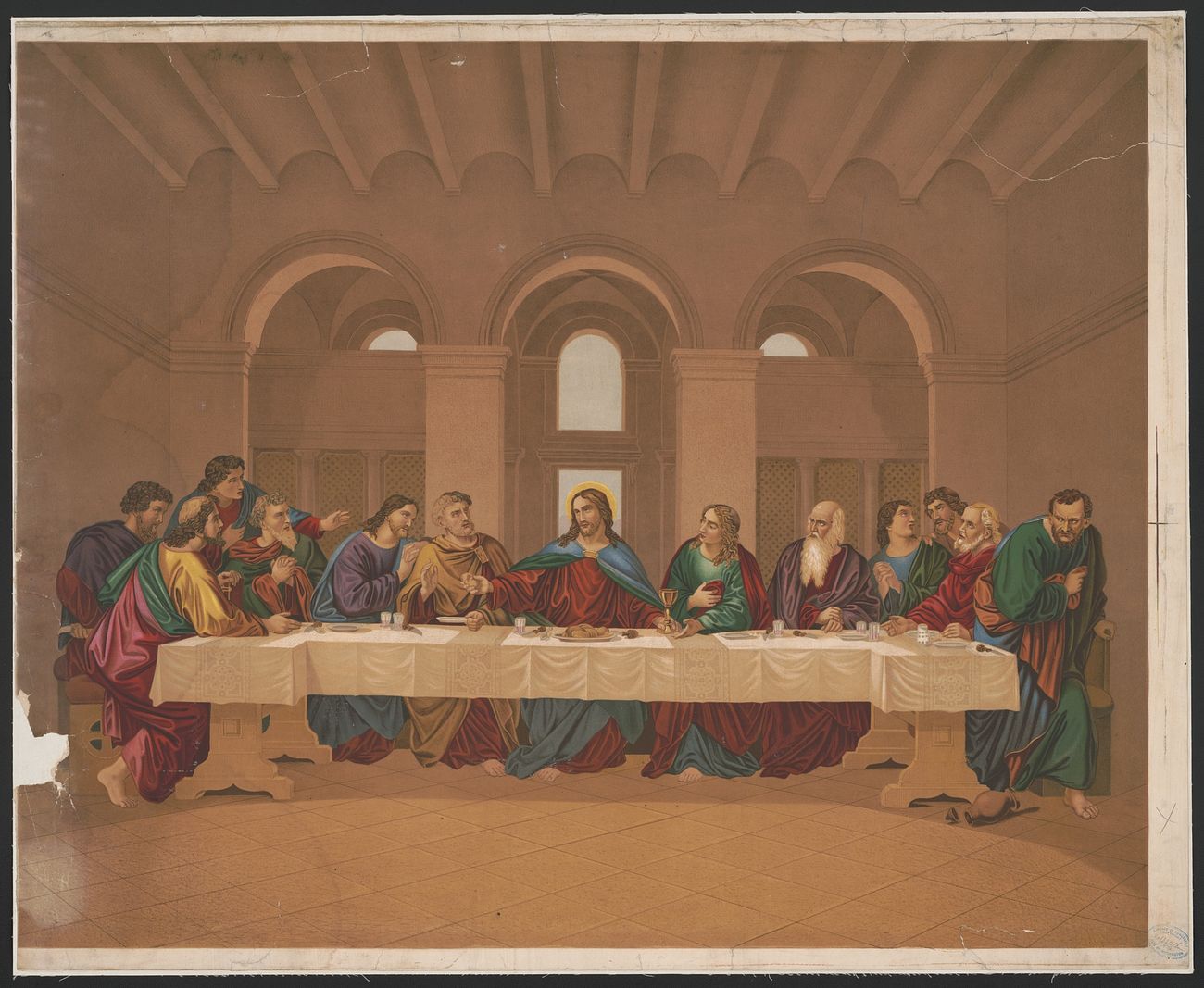
23 For I have received of the Lord that which also I delivered unto you, That the Lord Jesus the same night in which he was betrayed took bread:
24 And when he had given thanks, he brake it, and said, Take, eat: this is my body, which is broken for you: this do in remembrance of me.
25 After the same manner also he took the cup, when he had supped, saying, This cup is the new testament in my blood: this do ye, as oft as ye drink it, in remembrance of me.
26 For as often as ye eat this bread, and drink this cup, ye do shew the Lord’s death till he come.
27 Wherefore whosoever shall eat this bread, and drink this cup of the Lord, unworthily, shall be guilty of the body and blood of the Lord.
28 But let a man examine himself, and so let him eat of that bread, and drink of that cup.
29 For he that eateth and drinketh unworthily, eateth and drinketh damnation to himself, not discerning the Lord’s body.
30 For this cause many are weak and sickly among you, and many sleep.
31 For if we would judge ourselves, we should not be judged.
32 But when we are judged, we are chastened of the Lord, that we should not be condemned with the world.
33 Wherefore, my brethren, when ye come together to eat, tarry one for another.
34 And if any man hunger, let him eat at home; that ye come not together unto condemnation. And the rest will I set in order when I come.
1 Corinthian 11 has a lot to say about the sacrament of the Lord’s Supper. The gathering of the fellowship should include the sacrament of the Lord’s Supper. It should be a reverence to the Lord, not for the filling of the belly. The Lord’s Supper should not be a time of gluttony. It is therefore not a feast, or celebration like that of Thanksgiving, nor is it a festival like that of a wedding or a birthday. One should have eaten your normal portion prior to attending, or perhaps after the ceremony. No drunkenness or excess should be exhibited. Greed in not a virtue of God.
There is no favoritism before God. So, in the church there is no special treatment or special arranging of seats, or unequal portions for prominent church members of guests. There is not a separation of Jew, to Gentile, free man to slave, nor rich to poor. All who come to the table should be fed equally of the Lord’s portion. One should not come to be served but to serve. If any must wait, surely it is the Pastor who should partake last, to ensure all believers have their portion of participation. The Pastor is after all the utmost servant of the local church in direct service of office to Jesus Christ.
The sacraments of the Lord’s Supper should be taken in reverence and remembrance with a pure heart. One must be clean of conscience, confessed of sin, and with a heart of repentance. One should not be holding of anything against his brother, instead one should be forgiving at heart, as he was forgiven by God in Christ Jesus.
This is a time of reflection and of hope in his death and his return. It should have a ceremonial atmosphere, and in accordance with the manner in wick it was handed down from Jesus to the Apostles. Thanksgiving should be given for the ceremony, the sacraments provided, and the blood and the body sacrificed by the death of Jesus Christ. By whose blood we have atonement.
We should also be warning of others to not take this lightly. Participation in this ceremony is only for the true believer. To partake of this sacrament unworthily brings death. It is a mockery and a blasphemy of the Holy Spirit to partake unworthily. Each man should examine himself, to see of he is worthy to participate. Is his heart of clean conscience before the LORD? If not then he must leave his gift at the altar and make it right. All things must be done in faith, or they are sin.
Therefore, the participant must believe that Jesus is the Christ, the Son of God who came and lived among us as a man, who died for our sins, was buried, and rose again, overcoming death once and for all men. He then ascended to heaven with a promise of return. This is what you testify to when you participate in the Lord’s Supper, until his return. Participation says I trust you LORD and I await your return, doing the work of a good servant. In obedience to your commandments. I await you Holy bridegroom with my lamp filled with oil, and the light of hope burning, piercing the darkness of this world in trust and hope in you, Jesus Christ.
The name Timothy is found two different ways in the New Testament. Timothy is found 7 times in the bible. Timotheus is found 17 times in the scripture. Listed below are the references I have found. In them you can see how instrumental Timothy was in the establishment of the church. He had the distinct pleasure of being associated with many charter ministers of the church. His fellowship includes, Paul, Silas, Erastus and many other founders. He is seen in Ephesus, Philippi, Corinth and many places in Macedonia.
[1] Then came he to Derbe and Lystra: and, behold, a certain disciple was there, named Timotheus, the son of a certain woman, which was a Jewess, and believed; but his father was a Greek:
Acts.17
[14] And then immediately the brethren sent away Paul to go as it were to the sea: but Silas and Timotheus abode there still.
[15] And they that conducted Paul brought him unto Athens: and receiving a commandment unto Silas and Timotheus for to come to him with all speed, they departed.
Acts.18
[5] And when Silas and Timotheus were come from Macedonia, Paul was pressed in the spirit, and testified to the Jews that Jesus was Christ.
Acts.19
[22] So he sent into Macedonia two of them that ministered unto him, Timotheus and Erastus; but he himself stayed in Asia for a season.
Acts.20
[4] And there accompanied him into Asia Sopater of Berea; and of the Thessalonians, Aristarchus and Secundus; and Gaius of Derbe, and Timotheus; and of Asia, Tychicus and Trophimus.
Rom.16
[21] Timotheus my workfellow, and Lucius, and Jason, and Sosipater, my kinsmen, salute you.
1Cor.4
[17] For this cause have I sent unto you Timotheus, who is my beloved son, and faithful in the Lord, who shall bring you into remembrance of my ways which be in Christ, as I teach every where in every church.
1Cor.16
[10] Now if Timotheus come, see that he may be with you without fear: for he worketh the work of the Lord, as I also do.
2Cor.1
[19] For the Son of God, Jesus Christ, who was preached among you by us, even by me and Silvanus and Timotheus, was not yea and nay, but in him was yea.
Phil.1
[1] Paul and Timotheus, the servants of Jesus Christ, to all the saints in Christ Jesus which are at Philippi, with the bishops and deacons:
Phil.2
[19] But I trust in the Lord Jesus to send Timotheus shortly unto you, that I also may be of good comfort, when I know your state.
Col.1
[1] Paul, an apostle of Jesus Christ by the will of God, and Timotheus our brother,
1Thes.1
[1] Paul, and Silvanus, and Timotheus, unto the church of the Thessalonians which is in God the Father and in the Lord Jesus Christ: Grace be unto you, and peace, from God our Father, and the Lord Jesus Christ.
1Thes.3
[2] And sent Timotheus, our brother, and minister of God, and our fellowlabourer in the gospel of Christ, to establish you, and to comfort you concerning your faith:
[6] But now when Timotheus came from you unto us, and brought us good tidings of your faith and charity, and that ye have good remembrance of us always, desiring greatly to see us, as we also to see you:
2Thes.1
[1] Paul, and Silvanus, and Timotheus, unto the church of the Thessalonians in God our Father and the Lord Jesus Christ:
Timothy Found:
2Cor.1
[1] Paul, an apostle of Jesus Christ by the will of God, and Timothy our brother, unto the church of God which is at Corinth, with all the saints which are in all Achaia:
1Tim.1
[2] Unto Timothy, my own son in the faith: Grace, mercy, and peace, from God our Father and Jesus Christ our Lord.
[18] This charge I commit unto thee, son Timothy, according to the prophecies which went before on thee, that thou by them mightest war a good warfare;
1Tim.6
[20] O Timothy, keep that which is committed to thy trust, avoiding profane and vain babblings, and oppositions of science falsely so called:
2Tim.1
[2] To Timothy, my dearly beloved son: Grace, mercy, and peace, from God the Father and Christ Jesus our Lord.
Phlm.1
[1] Paul, a prisoner of Jesus Christ, and Timothy our brother, unto Philemon our dearly beloved, and fellowlabourer,
Heb.13
[23] Know ye that our brother Timothy is set at liberty; with whom, if he come shortly, I will see you.
Timothy was one of Paul’s ministry team members. Paul had originally met Timothy and Timothy’s mother and grandmother in Lystra. Timothy was a half Jew and half Greek. His family overall was well spoken of in the region (Acts 16:1-3). Paul took Timothy with him on his journeys and circumcised Timothy because of the common knowledge of his father being Greek. So Paul circumcised him for his Jewish heritage from his mother’s side. This allowed Timothy to go places where normally a Greek could not enter.
Scripture tells us that together, Timothy and Paul would go from church to church throughout the region and pass along the decrees that were ordained by the apostles and elders in Jerusalem. Eventually Paul developed Timothy into a mature disciple and evangelist. He soon confidently sent him on mission to different areas to act on Paul’s behalf and to establish and encourage churches in proper doctrine. Paul recognized that Timothy had exceptional character and an acute understanding of scripture for his age. When a church needed strength and encouragement in the face of persecution, Paul sent Timothy. When a church needed an example of godliness, Paul sent them Timothy. When Paul wrote letters of correction to churches, he included Timothy’s name next to his.
Paul even sent Timothy to the church in Ephesus to restore the proper teachings of the gospel of Jesus Christ after some false teachers had corrupted the original teachings. This letter was sent to Timothy, from Paul, at Ephesus to give him guidance on how he should fulfill his mission. Tradition says this letter was written from Laodicea. This letter is effectively a leadership manual. I Timothy opens and closes with the commission of Timothy and has two sections that have instructions for the young pastor to aid him with the issues he will face. There are also 3 poems that exalt Jesus as the risen savior and King of the world.
1 Timothy is written to give Timothy encouragement in fighting the good fight. (1:18). He is warned against false doctrines and encouraged in the Grace of God. Then the Letter turns to the instruction of how the church should conduct themselves. It is always easier for a new manager to come in with an official letter of policy from his higher ups, then to come in and try to create policy on his own. So this letter establishes Timothies authority and the policies of the conduct of church members according to Paul who appointed him. The letter concerns with worship in the church to include prayer and the effective role of women in the church. Then it gives instructions on church leadership and the qualifications of the offices of the church. This all sets the foundation for the next part of the letter on the dangers to the church. Paul gives warning signs of the lurking dangers, and gives the proper defenses with which the church deploy. Part of this is how we should act with regard to one another. How we treat the elders, widows, and the younger alike. Then we see how we treat those around us in society, how we are to react in civil society and how we treat our masters and servants. Paul even goes further to tell us what the proper attitudes of a believer are towards False Teachers, Money, and Godliness. Then Paul gives one more encouragement to keep to the good doctrines that he has been entrusted with and to not be distracted by worthless pursuits into philosophy, false sciences, of other religious teachings.
The letter from Paul to Titus is considered as part of a group of writings known as the Pastoral Epistles. These Pastoral Epistles include 1st and 2nd Timothy, and Titus. These letters are grouped in this manner because they all deal with information surrounding pastors, pastoral and elder duties, and the organization of church authority, mission, and conduct of its members.
Titus was a Greek follower of Jesus. Likely a direct convert of Paul who calls him a son in the faith. The Epistle to Titus was written by Paul sometime between his two imprisonments by Rome. Paul had visited Crete and left Titus there to supervise the churched there and then went to southern Greece, to Nicopolis in Achaia, where he wrote this letter (3:12). This letter is written between the writings of 1 Timothy and 2 Timothy.
Titus was a traveling companion and confidant of Paul and Barnabas, from early in his ministry. It appears he may have even accompanied them to the Jerusalem council which concerned themselves on whether the gentile converts should need to be circumcised. As a result of that counsel, he was never forced to be circumcised. (Galatians 2:1-3; 2 Corinthians 15:1-11) Titus is mentioned in several places in the New Testament writings as a man of honor and as a great encouragement to Paul. Paul was even discouraged one time when he went to Troas to preach because he was expecting to find Titus there but did not. (2 Corinthians 2:12-13). He was Paul’s delegate to the church at Corinth (2 Corinthians 7:6-7; 8:6,16). Paul had sent for Titus to join him in Nicopolis in this letter (3:12). From there Paul sent Titus to Dalmatian (former Yugoslavia, modern day Serbia and Montenegro). Tradition says that Titus returned from there to Crete where he died in the ancient town of Gortyna.
This letter from Paul to Titus was very personal and heart felt. This is one of the last letters that Paul would write. Tradition tells us that the last letters Paul wrote were to Timothy and Titus. Paul considered both his sons in the faith (1 Timothy 1:2; Titus 1:4). You can see the importance that Paul has in ensuring that Titus will continue diligently the discharge of his duties, as quickly as possible. There is a passing of the guard, so to speak as Paul commissions his young apprentice to pick up the mantle of leadership in the region. Paul presents his confidence in the message he has received and passed to Titus, and shows the importance of passing on the message, through the preaching of the Word. (1:1-3). Paul passes on his advice to Titus on setting things in order (1:5), the ordination of elders in every city (1:5), the teaching of sound doctrine (2:1), the importance of avoiding foolish discussion on the importance of tradition and genealogy (3:9) because those that rely on them are condemned already (3:10). Christians are not bound by such things and should live free of such constructs whether Jewish or Pagan.
Paul speaks of the Elders in the Church, their desirability, and their qualifications (4:5-9). He also discusses some issues with false teachers that must be immediately dealt with in the church (1:10-16). Then he moves to discuss the operation of the Church to include duties of the ministers, living in response to God’s grace, and what good works are.
The churches need to have Elders to govern them and to keep them in order. So that the churches can be exemplary and are not defective. Create is lacking in godly leaders and they need effective leadership immediately (1:5). This leadership should meet certain qualifications that include:
They should be blameless;
Be married to one wife. They should be a one-woman man. This reasoning means that elders should be men;
Their family should be examples of the one Faith;
Be Self-disciplined
Not a drunkard
Not abusive
Hospitable
Be faithful to the Word of God in Jesus Christ
Love what is good, holy, just.
Able to, by knowledge of the scriptures, confront false doctrine and gainsayers.
These ministers should teach things that are conducive to good moral behaviors in accordance with sound doctrines of the church. Their teachings cause behavior to be in harmony with their belief in Jesus Christ. Elders should set patterns of goodliness by being restrained and not given to wine. The older ladies should also set example to the younger and cease from slander and gossiping. A Christian should deny ungodliness and worldly lusts in their lives. Instead The believer should seek the blessings of the hope we have in God and our savior Jesus Christ (2:11-14).
Since we have been delivered from such sinfulness, we should speak evil of no man. We must remember also that since Jesus is the Lord of all, and has appointed governments over men, as he has elders over the church, that we must be respectful of the government. We must always remember that we were not saved by works, but by the mercy if God in Jesus Christ, and evidenced in the washing of regeneration and renewing o the Holy Ghost (3:4-6). Knowing these things we should avoid foolish questions, genealogies, and contentions about the law of Moses because they do not contribute to sound doctrine concerning faith.
To be from Crete was to be synonymous with being a liar. It is even said that they were cursed by the gods of Greece to never tell the truth. Crete is also fabled to be the place where Zeus grew up, and they took pride in their cleverness and crafty or should I say, shiftiness, because Zeus had been that way. This is likely the reason Paul makes it a point to say that God cannot lie, unlike Zeus who is legendary to the people of Crete. for his lies. There piracy was renowned and was the cause of two wars in 71 and 69-67 BC. They had a reputation for lies, cheating, and sexual immorality. This island was in the heart of major trade routes and had multiple harbor that were used by many visiting lands. The churches here were small house churches that were heavily influenced by the culture around them. It is no wonder that Paul sent one of his most trusted companions to set things in order, and to change the mentality of the local churches. Titus’ task was to appoint up new leadership that would help the church to live alongside, but not become a part of the culture surrounding it.
The overall message is this; If the message of the gospel is to prove itself in a society, then it has to be different then the society surrounding it. God is not like other gods, and Christians should not be like those who serve other gods. They should honor God with their public and private lives and with how they treat one another, dress, attitudes, and their manner of speech. Christians values should look different because they serve a different God. For this to happen, the Pastors, and Elders needed to have a righteous backbone, and teach solid doctrine.
In the seventh chapter of the book of Second Samuel, David looks around and sees how much the Lord has blessed him, and how rich and comfortable his life is. After many years of hiding in the wilderness, being pursued, and having to make war. David has finally been granted a place of rest. He is no longer living in caves or tents. He has a house made of cedar and it is filled with the spoils of war and is a vision of success. David knows that this is all because of the provisions of God. David loves God and does not see where he should have to live in a tent, if his servant does not have to live in one. So he proposes to build a great house for the Lord to rest in.
God is moved by David’s love and concern for him. The Lord says that he does not dwell in buildings, or tents, or things made by man. He has never required a permanent residence to be built for him. His only requirement to the king, and any other leader, was that they feed his children, Israel, and to keep his commandments. Still David’s desire was sincere, and that moved the heart of the Lord God to compassion for David. So God gives David a special dispensation of Grace. In this dispensation he reconfirms his covenant with Abraham, Isaac, and Jacob (Israel). He gives David an eternal promise.
This was the promise that God gave David, God would honor David’s love for him by establishing his throne forever. Israel would benefit from the desire of David to build a permanent residence for the Lord, by the Lord building a permanent residence for Israel. The Lord said, “Moreover I will appoint a place for my people Israel, and will plant them, that they may dwell in a place of their own, and move no more…” (v.10). The Lord even promised of a seed to come through David’s lineage who would build a house for the Lord and whose kingdom would be established forever. God said that he would be his father (the seed’s) and that he would be my son. He said that this future ruler would be chastise by a rod and have the stripes of the children of men. He would be merciful in judgement, and the house and throne of David would be established forever through this king. The prophet Isaiah spoke, “In mercy shall the throne be established: and he shall sit upon it in ruth in the tabernacle of David, judging, and seeking judgement, and hasting righteousness.”. (Isaiah 16:5) So the Lord God was moved by David’s love for him and his desire to give the Lord a place to rest, that God in turn gave David and Israel a place to rest.
God confirmed his commitment to Israel through his promise to establish the house of David forever, through the coming Messiah. The promised seed from Genesis would be delivered through the lineage of King David. The grace of God was shown in this dispensation. There was no condition of this promise. God gave this assurance to David because he loved David’s love towards him. We can see that God keeps his promise to David even though Israel violates their covenant with God. Perhaps we can see a little of why Jesus now intercedes before the throne of God the Father for us. We are established in the covenant that God made with himself in the blood of Jesus. Because the Father made this promise to Jesus, that those who believe in him would have eternal life, so the model of the promise to David. Israel would be spared because to the promise God made with David. Now the covenant is no longer necessary for salvation. It is the grace of God towards one who has already please him in love. So in Ezekiel, even though destruction is warned of Israel, it is for chastisement. Israel would be redeemed in the end, when this promised seed to David comes to claim his throne and establish his kingdom, forever. “Therefore will I save my flock, and they shall no more be a prey; and I will judge between cattle and cattle. And I will set up one shepherd over them, and he shall feed them, even my servant David; he shall feed them, and he shall be their shepherd. And I the LORD will be their God, and my servant David a prince among them; I the LORD have spoken it.” (Ezekiel 34:22-24).
The Lord uses terms like… “ know that I the LORD their God am with them”… “I am your God”. The Lord tell us through the prophet Ezekiel that he will make the lands of the enemies of King David to be desolate. The Lord says, “And I will fill his mountains with his slain men: in thy hills, and in thy valleys, and in all thy rivers, shall they fall that are slain with the sword.” ( Ezekiel 35:8). The Lord also promises restoration of Israel, “And I will multiply upon you man and beast; and they shall increase and bring fruit: and I will settle you after your old estates, and will do better unto you than at your beginnings: and ye shall know that I am the LORD.” (Ezekiel 36:11) The Lord even goes further and promises not only to revive their lands and lineages, and to multiply them, but he promises to deliver them from all uncleanliness and to give them new hearts that love the Lord. (36:26) The Lord even promises the resurrection of the dead from Israel. “Therefore prophesy and say unto them, Thus saith the Lord GOD; Behold, O my people, I will open your graves, and cause you to come up out of your graves, and bring you into the land of Israel. And ye shall know that I am the LORD, when I have opened your graves, O my people, and brought you up out of your graves, And shall put my spirit in you, and ye shall live, and I shall place you in your own land: then shall ye know that I the LORD have spoken it, and performed it, saith the LORD.” (Ezekiel 37:12-14). Something to consider is what the Lord says concerning King David in Ezekiel 37:24. Ezekiel prophecies saying, “And David my servant shall be king over them…”. Many interpret this to say that Jesus as the son of David will be the ruler. But remember, the Lord has just raised all the dead of Israel from the grave. There is not reason why David could not rule over Israel and still serve the King of Kings, Jesus Christ, the Son of God.
The story of Deborah is relayed to us in the book of Judges in chapters 4 and 5. Deborah is from the tribe of Ephraim. She lived between Ramah and Bethel in mount Ephraim. She was married to a man named Lapidoth. Nothing else is mentioned of him. The uniqueness of Deborah is that she was the only female judge mentioned in the scriptures. She was known for her wisdom and prophetic prowess. Judges 4:5 says, “The children of Israel came up to her for judgement.”. She is referred to as “the Mother of Israel”, and is also known for song writing. She is the only prophet besides Samuel who was also a judge. She was also a prophet who was a strong decisive leader, which makes her analogous with Moses and Joshua. This is all in a time when women did not generally hold high positions in society.
As a leader Deborah was courageous. She served with wisdom and knowledge. She trusted God and supported the people that God appointed as leaders. She did not seek to usurp the authority of the leadership already established by God. Unlike another female leader in Israel named Athaliah who murdered her own grandsons in order to seal the crown. The scripture reads, “And when Athaliah the mother of Ahaziah saw that her son was dead, she arose and destroyed all the seed royal. But Jehosheba, the daughter of king Joram, sister of Ahaziah, took Joash the son of Ahaziah, and stole him from among the king’s sons which were slain; and they hid him, even him and his nurse, in the bedchamber from Athaliah, so that he was not slain. And he was with her hid in the house of the LORD six years. And Athaliah did reign over the land.” (2 Kings 11:1-3) Instead, she encouraged them to do what was right before God. In this, she was direct, unwavering in duty, and still humble enough to let others have the glory. The Song of Deborah testifies to this giving of encouragement to the people and the praise of deliverance to God. She uses terms like:
When the princes in Israel take the lead…praise the LORD! (5:2)
My heart is with Israel’s princess…praise the LORD! (5:9)
Take captive your captives (5:12) – I find this phrase particularly fascinating. Paul uses it in Ephesians 4:8 in describing salvation provided by Jesus and the importance of his ascent to heaven as in Jesus’ ascension he “let captivity captive and gave gifts unto men”. And Psalm 68:18 reports, “Thou hast ascended on high, thou hast led captivity captive: thou hast received gifts for men; yea, for the rebellious also, that the LORD God might dwell among them.”
During the time of her calling the Israelites had wandered from God and did evil in his sight. So God used the Canaanites to bring them under judgement. They were brought under the oppression of King Jabin and his strong men. They had a strong army that included 900 iron chariots and they oppressed Israel for 20 years. The men of Israel had lost their courage. Jerusalem was crushed into the dust by their tormentors. Their vineyards were destroyed, their women violated, their children starving and made into orphans. They had no mighty men of valor. Out of this God called a devout woman to be his voice. Where no man had hope in God, God spoke to Deborah. Deborah put her trust in the LORD.
One day she summoned a commander of the children of Israel to her home where she delivered a message from God. In Judges 4:7 Deborah tells Barak that God wants him to take an army to face Jabin’s army at the river Kison where Elijah slew the prophets of Baal in 1 Kings 18:40. She tells him that God will deliver his enemies into his hand, but the leader will be slain by a woman. In this way Barak will be spared from his own pride. But Barak was afraid to go into battle with out Deborah. So she went and at the time appointed of the LORD, she gave the command to Barak to do battle with the Canaanites. Later we find in the song of Deborah is says that “the river Kishon swept them away, that ancient river the river Kishon.”. We also find that Sisera the commander is slain by a woman named Jael. So the story and Song of Deborah ends with this reassurance. “So let all thine enemies perish, O LORD: but let them that love him be as the sun when he goeth forth in his might. And the land had rest forty years.” (5:31).
O Jerusalem, Jerusalem, which killest the prophets, and stonest them that are sent unto thee; how often would I have gathered thy children together, as a hen doth gather her brood under her wings, and ye would not!
Ref: Luke 13:34; Zechariah 2 Chronicles 24:20; Matthew 23:35; Luke 11:51
While the Lord says that he has sent prophet after prophet to lead Israel to repentance time and time again they would not listen and continued in their idolatries. Jesus has someone specific in mind when he is talking about the prophets they killed. He has a bold example of the killing of a prophet the exemplifies his meaning. Both Matthew 23 and Luke 11 elaborate on this prophet. His death is quickly mentioned in 2 Chronicles, almost as an incidental circumstance that many Jews dismissed as a part of their checkered past. The death of this prophet would seem to be insignificant in Gods plans, however, we see that God did not forget him. Jesus is giving testimony of what King David wrote, “Precious in the sight of the LORD is the death of his saints.” (Psalm 116:15). If not a sparrow falls to the ground without the Almighty God knowing, and the blood of the righteous cry out to God day and night, surely the death of his loved ones echoes through his heart at all times. Here in Luke 13 Jesus tells us that, not only does he remember, but this very generation will be held accountable for the blood, of all the saints, including this one unremembered prophet.
This generation thought of themselves as more enlightened than their predecessors. They told themselves that they were better then their forefathers, that they would not have killed the prophets of old if they were sent to them. They are far superior in understanding and more fearful of God then their generations before them. But Jesus says, no.. I have sent you prophets, and you have killed them also. One such prophet that we know of is John the Baptist who was beheaded. Jesus also knew that they would soon kill him. Not only that Jesus knew that they would also kill those who follow after him, in his name. Here Matthew’s version of this event:
Woe unto you, scribes and Pharisees, hypocrites! because ye build the tombs of the prophets, and garnish the sepulchres of the righteous, And say, If we had been in the days of our fathers, we would not have been partakers with them in the blood of the prophets. Wherefore ye be witnesses unto yourselves, that ye are the children of them which killed the prophets. Fill ye up then the measure of your fathers. Ye serpents, ye generation of vipers, how can ye escape the damnation of hell? Wherefore, behold, I send unto you prophets, and wise men, and scribes: and some of them ye shall kill and crucify; and some of them shall ye scourge in your synagogues, and persecute them from city to city: That upon you may come all the righteous blood shed upon the earth, from the blood of righteous Abel unto the blood of Zacharias son of Barachias, whom ye slew between the temple and the altar. Verily I say unto you, All these things shall come upon this generation. O Jerusalem, Jerusalem, thou that killest the prophets, and stonest them which are sent unto thee, how often would I have gathered thy children together, even as a hen gathereth her chickens under her wings, and ye would not! (Matthew 23:29-37).
The prophet Zacharias was slain in 2 Chronicles 24:20 because the princes of Judah pleaded with the king to allow them to let them worship other Gods. The king consented and this led them to trespass against God and to violate their covenant relationship with God. The LORD in his mercy sent them prophets to warn them of their trespass and to have them repent and return to him. But they rejected the words of the LORD sent by his prophets. Then the scripture says, “Now after the death of Jehoiada came the princes of Judah, and made obeisance to the king. Then the king hearkened unto them. And they left the house of the LORD God of their fathers, and served groves and idols: and wrath came upon Judah and Jerusalem for this their trespass. Yet he sent prophets to them, to bring them again unto the LORD; and they testified against them: but they would not give ear. And the Spirit of God came upon Zechariah the son of Jehoiada the priest, which stood above the people, and said unto them, Thus saith God, Why transgress ye the commandments of the LORD, that ye cannot prosper? because ye have forsaken the LORD, he hath also forsaken you. And they conspired against him, and stoned him with stones at the commandment of the king in the court of the house of the LORD. Thus Joash the king remembered not the kindness which Jehoiada his father had done to him, but slew his son. And when he died, he said, The LORD look upon it, and require it.” (2 Chronicles 24:17-22).
Just six short verses and the fate of the nation was sealed, by their own actions, not Gods. But did you catch the last verse? It says, “The LORD look upon it, and require it”. For those who do not understand plain English, it says that the Lord saw this and held them accountable for the death of his servant Zechariah. Now here in the New Testament passages we read we see that God has not forgotten the death of Zechariah. We find a truth about God that many want to ignore. God does remember. God does hold us accountable.
We all love to hear about the love of God, but many want to ignore the part where God requires that all sin be accounted for. The distorted Gospel of Love and Prosperity has mislead millions into a watered down Christianity. Many Christians in western society do not even see the need for Christ to be involved in their salvation. They believe that God forgives all and that they can do as they please with no fear of death or judgement. They do not understand that it is the love of God that sent his son, Jesus (Emmanuel – God with us), to come and to sacrifice his life so that we might have eternal life. Might is the operative work that Jesus himself uses, “For God sent not his Son into the world to condemn the world; but that the world through him might be saved.” (John 3:17). That is that salvation is made possible though Jesus Christ, but it is ONLY through him that a man can be saved. (Acts 4:12) Faith in Jesus as the Son of God, and the Lamb of God, who came to sacrifice himself for us, is the only way, by trusting in this grace of God, can a man be saved. It is FAITH in Jesus.
Unfortunately, many in this world have been so lied to that they don’t even know what they are being saved from of why it is necessary. They think that just saying they believe in Jesus and getting baptized has saved them. But this in not according to scripture, they have believed a half-truth. They do not know that salvation comes by true repentance, and faith. This real repentance and faith in who God is, what his wrath is, and the mercy he has shown in Jesus Christ requires a change in our hearts and in our lives. They do not understand the scriptures that say we have not been delivered from sin, so that we might sin more. That is because the church of the west has failed to keep its own doctrines. We are not so different from the Jews of their time who say that they would not have killed the prophets yet could not see that they are just as guilty. So, we say, if we were alive when Jesus was here, we would have believed, and changed, and would not have killed him. We would have listened to God. Yet here we sit with all out 20/20 hindsight, and yet we still act as if Jesus does not really exist, and we don’t listen to God, and remain in our sin.
The western church sees confession of Jesus as a means to bind God into their selfish desires. They wish to remain in their sins, to enjoy the freedom of sinning as they please and require that God just accept them as they are. If he is loving, then he must accept them and their sin. Surely, he wants them to be happy. In addition, since they sometimes show up at church, God is expected to bless them for giving the time of day. They recite promises of God and expect that he his honor bound to keep them, even though they have not met the scriptural basis for the promised blessing. In truth, they have not even read, much less studied to see the conditions of the promise. Yet every man that walks today is an authority on God.
By way of example, did you listen to what Zechariah told the princes of Judah? “Why transgress ye the commandments of the LORD, that ye cannot prosper? because ye have forsaken the LORD, he hath also forsaken you.” (2 Chronicles 24:20) There it is plain as day. The blessings of the LORD come from obedience to the will of God. God is not a god among many gods. Jesus is not a way among many ways to God. The Word of God is not a truth among many truths. God says I am the LORD thy God, there is no other salvation. (Isaiah 43:5; 45:5) Thou shalt have no other Gods. (Hosea 13:4; Exodus 20:2-3) Thou should not make unto the any graven image, or any likeness… not bow down to them. (Exodus 20:4-5)
This is the same thing that every prophet has ever said, this is what Zechariah said, and this is what Jesus said. God is merciful and loving. He reaches out in love to be your God. He rewards those who love him with his loving kindness, his presence, and all the benefits of him being their God. Their only God. Those who love him and keep his commandments. Those who say they love him and demonstrate their love for him, he will be their God. Those who do not keep his commandment, obviously do not love him. The LORD does not want lip service. He does not want divided loyalties. Those who do not follow his commandments with their heart, he will visit their iniquity upon them and their descendants. That is serious stuff.
Now in this passage, Jesus is talking to the children of Israel. He says, “O Jerusalem”. Jesus is in mourning over the judgement that they have continuously brought upon themselves. God did not want to pronounce judgement, he desired to protect them from their enemies, and most of all from themselves. We who have children can certainly understand this dilemma. Sometimes, you must make the call you dread the most. Sometimes the only way to teach a child is with tough love. So if God would not spare the judgement of his own chosen people, the ones he called his first son, then what keeps him from judging his adopted children, or even more so, those who have rejected him? You see the same commandments he gave to Israel are what he gave to us. That we should love the LORD and love one another.
Mark 12:29-31 – And Jesus answered him, The first of all the commandments is, Hear, O Israel; The Lord our God is one Lord: And thou shalt love the Lord thy God with all thy heart, and with all thy soul, and with all thy mind, and with all thy strength: this is the first commandment. And the second is like, namely this, Thou shalt love thy neighbour as thyself. There is none other commandment greater than these.
John 13:34 – A new commandment I give unto you, That ye love one another; as I have loved you, that ye also love one another.
John 14:15 – If ye love me, keep my commandments.
You see the things of this world are perishing. People’s opinions are never important. Money never lasts. Values are lost or waisted on things that are destroyed by rust, or moths, or eventually buried in dust. “And the world passeth away, and the lust thereof: but he that doeth the will of God abideth for ever. (1 John 2:17) This is not an Old Testament scripture. It is important to see that the will of the LORD must be adhered to in order to be saved. You see, in order to know the will of the LORD, you must first acknowledge that God does exist. Then you have to know that he let us know what his will is. That means that you have to accept the bible as the Word of God. In it contains the plan of salvation from cover to cover. This plan points indirectly and directly to Jesus Christ as the way the LORD desires that men should be saved. It is his WILL than all should be saved. But they must come to him though his son, Jesus Christ. Jesus says if you love me… This means that you have to believe on him, that he first loved you, and that he gave his life for you. You must believe that he is God and there for LORD. If he is LORD then you are his servant. Servants love their LORD and are obedient. Servant can only serve one LORD. Jesus says, If you love me… keep my commandments. Love the LORD your God with everything in you and love one another has he, the LORD, loves us. How much does he love us? He loves us enough that he died for us, in our place. How much should we love God? How much should we love one another? We can put aside of selfishness and piety now. We can just rest in our love and trust of Jesus and love one another because the LORD loves us.
The ministry of God’s Judgement through Samson (1085-1065 B.C.) is found in the seventh book of the Old Testament. It is in chapters 13-16 of the book of Judges where we find the story of the last judge of Israel mentioned. The story of Samson is also the longest narrative of a judge in this epic volume. It takes place in a time where God had delivered Israel into the hands of the Philistines for 40 years prior to his appointment of Samson to “begin to deliver Israel out of the hands of the Philistines” (Judges 13.5). The completion of the Deliverance would not be until the reign of King David (2 Samuel 5:17-22). It is like the beginning of our deliverance from death in Jesus Christ. Jesus began his redemptive work on the cross, but it will not be completed until the final chapters of Revelation when the wrath of God has been poured out, Israel is delivered and after the final judgement, where death and the hell are cast into the Lake of Fire.
This is an interesting position in history to consider for a moment because Samson is from the Israeli tribe of Dan. When God originally led Israel from Egypt to the Promised Land, God told them to go and conquer the people of the land and take possession. The tribe of Dan failed to do this in the lands that they were given. In fact, the land that they were originally given was in possession of the Philistines. If they would have been in obedience to God, then the oppression and long wars with the Philistines would have been avoided. (Tribe of Dan Facts, History & Descendants | What Happened to the Tribe of Dan?, n.d.)
Samson is the 14th in a long line of Judges covered in the book so named. In the 13th chapter we see that the birth of Samson was announced to his parents, prior to his being conceived, and that Samson was set aside by the Lord for a specific purpose. The purpose was to be a deliverer for Israel. Because of this, his mother was not to pollute her body with “wine nor strong drink, and eat not any unclean thing” (Judges 13:4). This would show the importance of how an expectant mother should be careful of what she exposes her yet born baby to while she is pregnant. Anyway, Samson himself was to be a Nazarite his whole life. The Law of the Nazarite is a very serious and particularly holy law of separation of oneself to the Lord. It is detailed in the book of Numbers 6:1-21 and involves special sacrifices and ceremonies. In addition, it has a strict code of sanctification that involves abstaining from drinking anything made from the vine, cutting of the hair, and not touching anything that is dead. You cannot even be in the presence of a dead body, even it by accident. As we read the story of Samson, we see that he violated every condition of the Nazarite vow. We see that even though you have strength, it is nothing without fellowship with God, and that God resist the prideful.
While Samson was set to be the example of a righteous deliverer, he failed to live up to the expectations. Samson breaks vows, marries outside of his people, visits harlots, drinks to drunkenness, engages in vengeance, and is prideful, arrogant, and self-centered. Yet we also see that God’s will is not thwarted concerning his mission for Samson. The story of Samson in the bible jumps from his birth to his adulthood. We find then that he is asking his father to arrange his wedding to a Philistine woman. Despite the objections of his parents, he persists until his father makes the arrangements. On the way to the wedding Samson is found to be in a vineyard. There Samson is attacked by a lion and he kills the lion with his bear hands (Judges 14:5-6). Later as Samson is in route to claim his bride, he sees the carcass of the lion and in it is a honeycomb that bees have built. Samson takes some of the honey and tastes that it is sweet and then brings some to his mother and father. Samson does not tell them about the lion, nor about where he got this honey. Remember the conditions of the Nazarite, he cannot be in the presence of the dead, much less touch a dead animal, especially eat from the cavity of one. Samson has made himself unclean, and worse he has made his mother and father unclean without telling them. See how fast our secret sins can affect those we love?
Samson it seems has desired this wedding to have an opportunity to come up against the Philistines. Now for those who are unaware this is the third mention of Samson being around wine. First was in the vineyard with the lion, then he passed back through the vineyard, and now at the wedding feast. Now it does not say that he was doing any drinking, however he at the least is demonstrating a dangerous pattern of exposing himself to the availability to drink. This pattern would continue and eventual assist in the painful downfall of Sampson. The availability and expectancy to drink is especially assumed at the wedding feast. These were weeklong feasts where alcohol was consumed liberally. Remember how Jacob was deceived into consummating a wedding to the wrong girl because he drank to much at his wedding feast (Genesis 29). It would seem likely that Samson would have drunk wine at such a festive occasion so far from home. Especially because Samson sought an occasion to start an incident with the Philistines.
However, instead of consulting God, Samson has come up with his own plan on how to start a fight with the Philistines through this marriage. In the process of marrying this Philistine woman, Samson has disregarded the wishes of his father. Still, he has decided to make a wager with the guests at this wedding party to solve a riddle that they would not be able to solve. He has decided to use this event with the lion and the honey as the answer to the riddle. “out of the eater came forth meat, and out of the strong came forth sweetness” (Judges 14:14). He knew that they could not possibly know the answer to the riddle, as the lion. He also knew that they would not be willing to pay the debt of the bet. Then when they refused to pay up to their end of the bet, he would have cause against them.
But the Philistines have told his bride to find the secret to the riddle or they will burn down her father’s house with them in it. Instead of confiding in Samson, she tricks him into the answer to the riddle and tells the Philistines. They tell Samson the answer and then Samson must live up to his end of the bet. His end was to deliver 30 sheets and 30 changes of garments (Judges 14:12). Samson was angered at the double-cross. Once again Samson does not consult God. To live up to his debt, Samson goes to another Philistine camp and murders them and takes their belongings and give it to his wedding party and then leaves without taking his bride. Later Samson cools of and returns to collect his bride, but the father has given her to another man.
Samson again, fails to consult God. Instead, Samson, in anger, traps 300 foxes and ties firebrands to their tails and sets them free upon the Philistines fields. The foxes burn up their fields, vineyards, and olive groves (Judges 15:4-5). This infuriates the Philistines. The philistines then burn to death Samson’s bride, and her father. Samson avenges himself against the Philistines, without consulting God, by murdering them (Judges 15:7-8). This leads to the Philistines coming against the Israelites and demanding that they turn over Samson or deal with the consequences. After some convincing from his brethren, Samson nobly agrees to be bound and handed over to the Philistines in order to protect his people.
Once in the Philistine encampment the Spirit of the Lord comes upon Samson, and he breaks his bonds and picks up the jawbone of an ass and slain a thousand Philistines (Judges 15:14-19). This was a good turning point for Samson. He has waited upon the Lord and the Lord delivered him out of the hands of his enemies. Samson judged Israel in the days of the Philistines twenty years (Judges 15:20). But this is not the end of the story on Samson.
Samson falls for another woman who would be his undoing. The scripture does not say if she is a Philistine, but she is clearly in cohorts with them. She is offered a large sum of money by the Philistines to gather the secret behind his strength and to report it to them, so they can take him. Samson’s playing with her is very similar to us when we play with sin. Samson was with a woman who he should not have been with and played with her on the things that God had given him and what God had forbidden. That is his exceptional strength was dependent on his obedience to God with his Nazarite vow. As we have seen Samson violated the first part his commitment (Judges 14:8-9,19; 15:8,15), likely ignored the second, and now he would end up betraying himself into the violation of the final responsibility (16:13-17). Samson would toy with this gift of God and it would cost him his freedom, and his health, and his relationship with God. Scripture tells us the Samson “knew not that the LORD had departed from him.” (Judges 16:20). Samson had crossed the line in his sin and God abandoned him to his sin. (1 Samuel 15:23; 16:14; Romans 1:26; Hebrews 10:26). The result of Samsons life of sin had slowly led him into more and more bondage, until he had become a slave to those who he was sent to conquer. He had been deceived, weakened, bound, and blinded by his sin both physically and spiritually. How many Christians today live in poor health, weekend, and blinded physically and spiritually by their disobedience and lack of sanctification?
Still Samson is seen as an example of faith in the book of Hebrews (Hebrews 11:32). So then, Samson was redeemed despite his life of prideful disregard for the will of God and the Vow and Calling he had received. Samson in seeing the error of his ways and the life he waisted had repented and turned to God in faith. Samson prayed to God for the will of God to be done in him, even though he knew it would cost him his life. Here is yet another parallel we can see in our savior who prayed in the garden for the will of the Father to be done, even though he knew that he would have to die to complete it. God granted Samson his strength one last time and Samson destroyed the Philistine’s temple to Dagon and killed thousands of Philistines in sacrificing himself for Israel. Samson died a hero, but more importantly he died in faithful obedience to God.
We learn many things from Samson. We see that sanctification protects us from our own evil desires. We can see that toying with sin leads to sickness, blindness, away from fellowship with God, and eventually death. Sin always leads to death in the end. Here is what James writes to us, “Then when lust hath conceived, it bringeth forth sin: and sin, when it is finished, bringeth forth death.” (James 1:15). If we would only listen to the words of wisdom in the epistle of James, and the example of Samson.
We also see that God will leave us to our sin if we continuously reject him. (Isaiah 59:12) We see that God expects us to honor our vows before him. We also see that God gives us strengths and abilities that should be used to glorify him, but often we use them to glorify ourselves. We see that having a great gift from God does not make us godly. As Paul said in 1 Corinthians 13:1 “Though I speak with the tongues of men and of angels, and have not charity, I am become as sounding brass, or a tinkling cymbal.” It does not matter what our gift is, if we abuse it in self glorification then we have waisted the gift God gave us. Like Samson, his great gift of strength meant nothing until he matched it with obedience in faith in God. God was the deliverer of Israel; Samson was the servant of God in the end.
This gives us hope in Christ. We who have accepted Christ and yet have squandered the gift of life that he has given us and disobeyed his commandments to be sanctified, sin no more. Perform our duties of spreading the Gospel of Jesus Christ; We who have failed to teach and Baptist in the name of the Father, the Son, and the Holy Spirit. There is this, “If we confess our sins, he is faithful and just to forgive us our sins, and to cleanse us from all unrighteousness.” (1 John 1:9). His purposes will be fulfilled, and we can partake if we just humble ourselves and submit to his will.
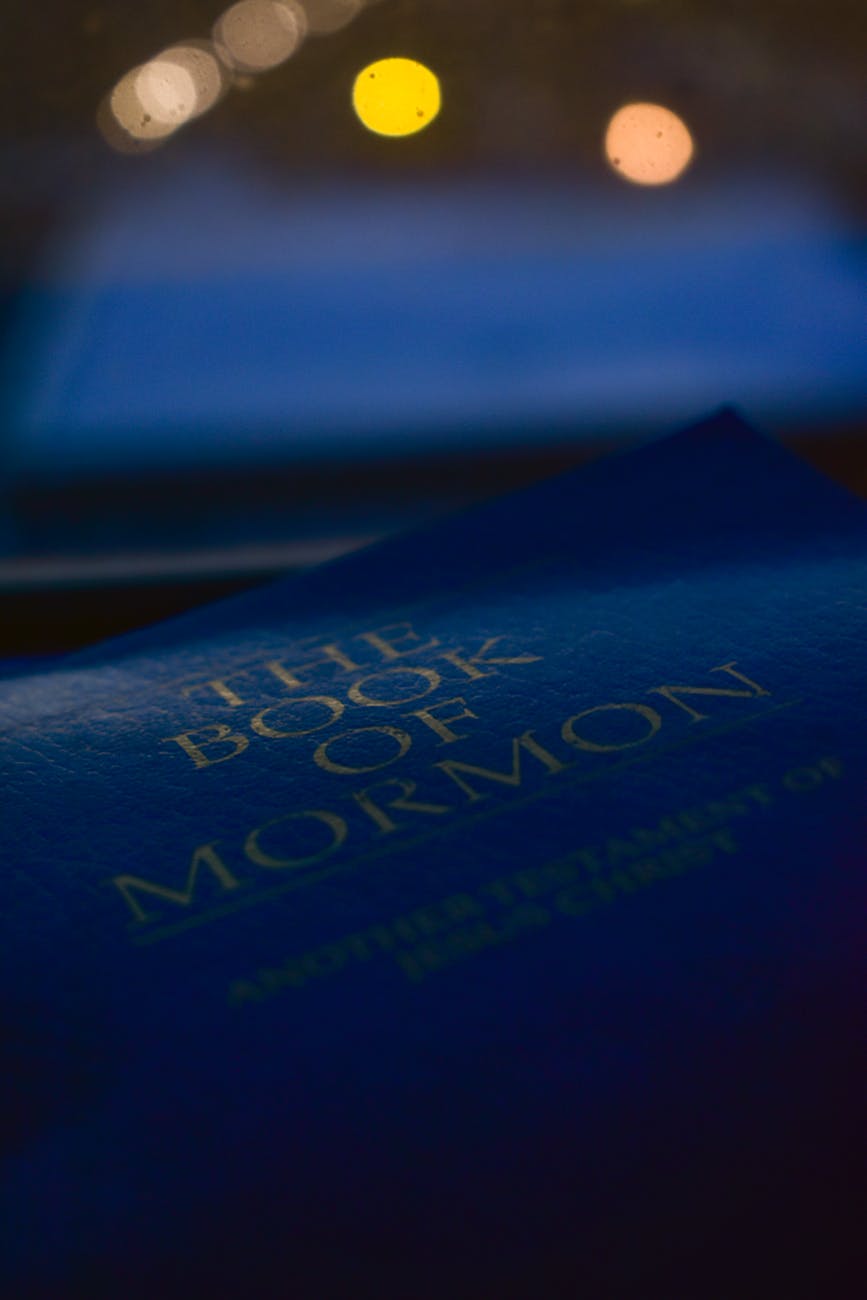
If you look at Later Day Saints (Mormon) websites and publications, they clearly state that they are Christians and that they believe in Jesus Christ for salvation. However, they have many non-Christian doctrines, and even some that refute their own claims of being a Christian religion. Below are some that I found in some quick searched of their material. Some of these below may seem ridiculous or minuet, however, there is a clear progression that shows the rejection of many Christian doctrines. It can be easily said that the Mormons might know the name Jesus, but that they fall short on knowing Jesus, and much more so in trusting him for salvation. On the one hand they say that Jesus is their salvation, but on the other they say that there is no salvation outside of Joseph Smith. Just that alone would label them a cult, not Christians.
It is a sin to drink caffeine. “The Church of Jesus Christ of Latter-day Saints, as it is formally known, determined that a reference to “hot drinks” in religious texts only applied to tea and coffee, not all caffeine products.” (https://www.bbc.com/news/world-us-canada-41351251)
Baptizing for the dead, you can be baptized for someone who had died and remove their sin
Mormons used to believe that people of color could not be saved because they fell from heaven with Lucifer, changed in 1978.
Believe that they are the real Christians. The time between Jesus and Joseph Smith was the age of apostacy and so the only true church is the one who follows Joseph Smith’s teachings. (Some believe that Joseph Smith will be a part of the Holy Trinity.
The Garden of Eden is in Missouri.
Jesus has a goddess as his wife.
Jesus had children with the goddess mother.
Jesus and Satan are brothers.
There is not just one God but many “And they (the Gods) said: Let there be light: and there was light,” (Book of Abraham 4:3)
salvation is attained through obedience to the law and doing good works (Miracle of Forgiveness, Spencer W Kimball, page 206)
There is no salvation without Joseph Smith as a prophet of God (Doctrines of Salvation, vol. 1, page 188)
God used to be a man on another planet, (Mormon Doctrine, p. 321; Joseph Smith, Times and Seasons, vol. 5, p. 613-614; Orson Pratt, Journal of Discourses, vol. 2, p. 345; Brigham Young, Journal of Discourses, vol. 7, p. 333).
God resides near a star called Kolob, (Pearl of Great Price, p. 34-35; Mormon Doctrine, p. 428)
“The Father has a body of flesh and bones as tangible as man’s…” (Doctrines and Covenants 130:22).
God is in the form of a man, (Joseph Smith, Journal of Discourses, vol. 6, p. 3).
“God himself was once as we are now, and is an exalted man, and sits enthroned in yonder heavens!!! . . . We have imagined that God was God from all eternity. I will refute that idea and take away the veil, so that you may see,” (Teachings of the Prophet Joseph Smith, p. 345).
After you become a good Mormon, you have the potential of becoming a god, (Teachings of the Prophet Joseph Smith, p. 345-347, 354).
There is a mother goddess, (Articles of Faith, by James Talmage, p. 443).
God is married to his goddess wife and has spirit children, (Mormon Doctrine, p. 516).
The Trinity is three separate Gods: The Father, the Son, and the Holy Ghost. “That these three are separate individuals, physically distinct from each other, is demonstrated by the accepted records of divine dealings with man,” (Articles of Faith, by James Talmage, p. 35).
“As these sins are the result of individual acts it is just that forgiveness for them should be conditioned on individual compliance with prescribed requirements -‘obedience to the laws and ordinances of the Gospel,’” (Articles of Faith, by James Talmage, p. 79).
“One of the most fallacious doctrines originated by Satan and propounded by man is that man is saved alone by the grace of God; that belief in Jesus Christ alone is all that is needed for salvation,” (Miracle of Forgiveness, Spencer W. Kimball, p. 206).
Good works are necessary for salvation (Articles of Faith, by James Talmage, p. 92).
“We know that it is by grace that we are saved, after all we can do,” (2 Nephi 25:23).
Must be certified as qualified to enter the Mormon Temple. “Every individual who qualifies for a temple recommend is also qualified as a faithful Latter-day Saint. He or she will be a full-tithe payer, will observe the Word of Wisdom, will have good family relationships, and will be a better citizen of the community” (“Opening Remarks,” Ensign (Conference Edition, November 2005, p4)
Joseph Smith received ancient scriptures – previously unknow – from an angel
A short list of scriptures from the King James version on what the scriptures say concerning some of these claims by the Latter-Day Saints.
Deuteronomy 6:4-5 – Hear, O Israel: The LORD our God is one LORD: And thou shalt love the LORD thy God with all thine heart, and with all thy soul, and with all thy might.
Ephesians 4:4-7 – There is one body, and one Spirit, even as ye are called in one hope of your calling; One Lord, one faith, one baptism, One God and Father of all, who is above all, and through all, and in you all. But unto every one of us is given grace according to the measure of the gift of Christ.
1 Timothy 2:5 – For there is one God, and there is one mediator between God and men, the man Christ Jesus,
Isaiah 43:10-11 – Ye are my witnesses, saith the LORD, and my servant whom I have chosen: that ye may know and believe me, and understand that I am he: before me there was no God formed, neither shall there be after me. I, even I, am the LORD; and beside me there is no saviour.
Galatians 1:8-9 – But though we, or an angel from heaven, preach any other gospel unto you than that which we have preached unto you, let him be accursed. As we said before, so say I now again, If any man preach any other gospel unto you than that ye have received, let him be accursed.
Ephesians 2:8-9 – For by grace you have been saved through faith. And this is not your own doing; it is the gift of God, not a result of works, so that no one may boast.
There are many more scriptures that we could bring to bear upon the false doctrines of the Mormon Church, but these are clear enough to point out that their doctrines are different than the doctrines taught in the Holy Bible. This is because their cannon of scripture is different then all other “Christian” religions. The Mormons has redefined what it means to have a cannon. Their cannon it 2 fold, it is expanded (in comparison to other Christian religions) and it is “open”. “The first is that compared to the rest of the Christian world, ours is an expanded canon. In addition to the Bible, we accept as canonical three other books of holy scripture—the Book of Mormon (531 pages), the Doctrine and Covenants (294 pages), and the Pearl of Great Price (61 pages).” (https://rsc.byu.edu/historicity-latter-day-saint-scriptures/latter-day-saint-concept-canon). An open cannon means that is it open to new revelation, interpretations, and additions, as is needed.
This information will undoubtedly make its way into a class on cults that I will develop, but lately I see a bunch of people trying to unify Christianity with Mormonism. I believe that you should search the scriptures yourself and do your own investigation into what the scriptures say, what the Mormon doctrines say, and see if they line up. What I have provided in this short and insufficient paper is a starting point for your own prayerful investigation. I repeat the words of the Apostle Paul, “Be ye not unequally yoked together with unbelievers: for what fellowship hath righteousness with unrighteousness? and what communion hath light with darkness?” (2 Corinthians 6:14).
“In the beginning God created the heaven and the earth.” – Genesis 1:1
This is a simple statement. Yet this statement is all inclusive and it assumes one key element. It is all inclusive in that it includes Space, Matter, Time, and Scientific Laws. The phrase, “in the beginning” implies that there is the start of a time frame. Time has a starting point in the initial creation of the heaven and the earth. Note also that heaven, at this point, is singular. This would also mean that these, the heaven and the earth are somehow contained in something.
When I teach a class on Genesis 1:1 I often draw a cube on the whiteboard and explain that this is very similar to the aquarium that someone would put into their home. In order to set up an environment to keep fish in, one must first have the space to put everything into. In this manner is how we can see that a container is necessary for God to put the heaven and the earth into. We also know that the universe runs in set patterns and dependencies. Everything has its place and function. There are scientific principles and laws of nature that govern how things interact within the universe. By way of example, we have the Law of Gravity, the Laws of Physics, and such things as these. We also have quantitative Scientific laws like mathematics, chemistry, and engineering. All of these things existed from “in the beginning”.
To have intelligent conversations on any subject, certain things must be agreed upon as a starting point. This first verse of Genesis is assumptive that we can agree that God exists. Therefore, it does not explain the existence of God, or where he came from. It does not do so, because the purpose of the story being relayed is not to explain the existence of God. It is given us the explanation of our existence. So, it only tells us that God it is who created. God created everything. Knowledge of God is assumed, even if we do not know who he is. God himself is taken as a literal, legitimate individual. What we learn is that it is God who had the ability to create things. Scripture says that a fool says that there is no God (Psalm 14:1).
The assumption is that any intelligent person in their right mind should know that there must be a God. The understanding that the universe could not have come into existence by itself is something that anyone who has intellect, should know. Therefore, the notion that the universe suddenly created itself, or that it somehow was always in existence is for the weak minded and unlearned. All that one has to do is to look and see how everything in this universe breaks down, wears out, and degrades over time, if it does not have something else to maintain it, or to act upon it for its restoration or betterment. Nothing in nature ever evolves into a higher lifeform. The necessity of God for creation and maintenance is plain to see throughout the universe. It is a universal law.
The Jewish and Christian beliefs of God creating everything from nothing is not shared with any other belief system in the world. This is referred to in the Latin, “creatio ex nihilo” (creation from nothing) and has been a long-held belief in Christianity dating back the beginnings of the Church. The idea that God is so absolute in his power that he can cause something to be in existence from nothing is what makes the Judeo-Christian God unique from all other God’s and belief systems in history. This ability makes him the only creator in existence.
Some other Creation Stories:
Greek Mythology – In the beginning was chaos. This is not a creation from nothing.
Norse Mythology- In the beginning was a chasm. This is not a creation from nothing.
Rig Veda (an ancient Sanskrit writing) – There was the “first fashioner” he created Earth and Sky, but before him there were cosmic waters. This is not a creation from nothing.
Chinese Mythology- Heaven and earth were in a state of chaos or cosmic egg for 18,000 years and it broke apart and formed the heaven and the earth. This is not a creation from nothing.
Mesopotamian Mythology- the Earth was made from the killing and dividing of another god.
Egyptian Mythology has three different creation myths. The predominant one has two gander producing eggs that are the sun and the earth. This is not a creation from nothing.
Zoroastrian Mythology- creation was made after a cosmic war between “lies” and “truth”. Truth won and created the earth, then tried to destroy it, but cosmic man thwarted the plan by returning to earth as a plant stalk and repopulating the earth with vegetation. From the stalks we then see the produce of the first man and woman. This is not a creation of everything from nothing.
Hindu and Buddhist see the universe as eternal with no beginning or end, it has always existed
Scientology from what I can see of it seeks to claim that it is the oldest of creation beliefs and that the cosmic lifeforce may have initiated a spark on non-active substances and then created all things. This still is not a creation from nothing.
Now I know that these are extremely abridged versions of these beliefs. But I only have them here to show you that Judaism and Christianity are not the only cultures who believe in a creation event that is not some string of cosmic accidents that somehow led to men being formed. Instead, in these we see that generally all cultures in history have believed that there was an actual creation event in antiquity, and that one or two gods or entities are responsible for this spectacular one-time experience in cosmic history. The purpose of Genesis 1:1 is to introduce God (the I AM) as the ONE who is the actual creator. This is where Judaism and Christianity differ from all other people, religions, philosophies, and theories that have ever populated the earth. We believe, according to scripture, that God is the one who created all things from nothing. That means that there was absolutely nothing when God created everything. God is the point of origin for all things we know. This means that everything we have ever seen, touched, smelled, and felt comes from God who created all things:
Psalm 90:2 – Before the mountains were brought forth, or ever thou hadst formed the earth and the world, even from everlasting to everlasting, thou art God.
Colossians 1:16-17 – For by him were all things created, that are in heaven, and that are in earth, visible and invisible, whether they be thrones, or dominions, or principalities, or powers: all things were created by him, and for him: And he is before all things, and by him all things consist.
John 1:1-4 – In the beginning was the Word, and the Word was with God, and the Word was God. The same was in the beginning with God. All things were made by him; and without him was not any thing made that was made. In him was life; and the life was the light of men.
Revelations 4:11 – Thou art worthy, O Lord, to receive glory and honour and power: for thou hast created all things, and for thy pleasure they are and were created.
Therefore, having read these verses, we can see, with just a quick glance, that God existed before the creation. There is only one God and he created everything. All powers and authorities within this creation are subject to his creation authority. We can also see that everything was created for his own pleasure, not ours.
Yet there is another theology out there that rejects this whole premise of a God, or even an unnamed divine essence that created everything. They reject all matters of faith in the claims of science. This theology is known as Atheistic Humanism. They are armed with what they call scientific evidence that destroy the faith-based creation of Christianity. They attempt to remove God from the creation event. In doing so they are attempting to remove his authority over them. The approach is simple, their claim is that someone who could believe in an invisible God to create everything and to just take it on faith is unhealthy thinking and ludicrous. However, when you get to investigating what Atheists accept (believe) as truth, you will find that it also takes a great amount of faith. Lee Strobel who has become famous for switching his stance from atheism to Christianity tweeted, “To continue in atheism, I would need to believe that nothing produces everything, non-life produces life, randomness produces fine-tuning, chaos produces information, unconsciousness produces consciousness, and non-reason produces reason. I simply didn’t have that much faith.”[1]
I like you have known quite a few individuals, some friends, some family, who have looked down their nose at me for believing in Jesus Christ, and for taking the Word of God at face value. Yet this statement made by Mr. Strobel is one that I have heard from many people who used to be atheist. At some point their mind realizes that everything they believe to be true is just that… it is a belief and when confronted with the lack of real evidence to support their rational mind, they concede that this belief takes just as much faith as believing in Jesus and the Word of God. Then they begin to ask questions. They begin to want real answers. In finding no answers anywhere else then turn back to that ignorant Christian, and to what God says. They begin to examine the Word of God and for the first time they begin to see what God has been telling all of us.
Isaiah 45:11 – Thus saith the LORD, the Holy One of Israel, and his Maker, Ask me of things to come concerning my sons, and concerning the work of my hands command ye me.
The Lord is not hiding in the darkness and hoping to not be seen. Instead, he is putting out an invitation to all men. To seek him out. He says to ask about the work of his hands. The entirety of creation speaks to his glorious work. (Psalm 19:1-7; Romans 1:20) God wants us to know that he is the creator. That is why Genesis 1:1 starts with “In the beginning God Created the heaven and the earth.”. Later the gospel of John tells us that in the beginning was the word and that all things were made by him. (John 1:1-3) The very word of God is tied to his being the creator. “By the word of the LORD were the heavens made; and all the host of them by the breath of his mouth.” (Psalm 33:6) God’s revelation of himself in the first verse of Genesis, and the steps that he took to create everything, is his guarantee of his word. It is given to us so that we can have confidence in everything else that is revealed in the scriptures. The first sentence in Genesis is the foundation of all Jewish and Christian faith. God exists. God created everything. God is all powerful. God has all authority. The word of God is trustworthy. Psalm 148:8 says, “Our help is in the name of the LORD, who made heaven and earth.” What a strong foundation for faith and hope. If he created all things, then he can make you a new creation in Jesus Christ. (2 Corinthians 5:17)
God tells us that we can ask him about his works. He tells us that the heavens declare his majesty. Everyday we can look up to the skies and see proof of the work of his hands. The creation shows knowledge. No matter what language you speak or education level you reach, God’s creation is speaking to you about the God who created all things, including you.
The heavens declare the glory of God; and the firmament sheweth his handywork. Day unto day uttereth speech, and night unto night sheweth knowledge. There is no speech nor language, where their voice is not heard. Their line is gone out through all the earth, and their words to the end of the world. In them hath he set a tabernacle for the sun, Which is as a bridegroom coming out of his chamber, and rejoiceth as a strong man to run a race. His going forth is from the end of the heaven, and his circuit unto the ends of it: and there is nothing hid from the heat thereof. The law of the LORD is perfect, converting the soul: the testimony of the LORD is sure, making wise the simple. (Psalm 19:1-7)
It is amazing to me that this verse speaks of the cycles of nature and the manner in which the sun circles the earth. This reveals from the very beginning that people of faith have always know the earth was circular, well if they read anyways. Approximately 150 B.C. the ancient Greeks made a globe to represent the earth. It is believed that Moses wrote the Pentateuch (1st five books of the Old Testament) around 1445 B.C. I make this point to show you that men and women of faith do not need to fear what science says. Instead, we should run to science and get involved and ensure that the science being performed is in fact science. Just because someone claims a theory, that does not make the theory true. The book. “On the Origin of Species” published in 1859 which is used to promote the theory of Evolution has yet to be proven with the principles of the scientific method. Yet it is taught as an indisputable fact. Now this undisputable fact is not just one set of facts or a unified theory either. Darwin had four principles to his theory. Enst Mayr writes saying that Darwin had five theories of evolution. [2] Within each of these theories there are many more theories that have changed over time. Other theories on the origins of like include:
The Big Bang
The Electric Spark
Extra-terrestrial Origen (Panspermia)
Spontaneous Origin
Biochemical Evolution
Community Clay
These are just a few of the many that Humanistic Theology seeks to use in their running away from the truth. When you look at these theories (fancy ford for “belief”) you will see some very big leaps taken on speculation. Talk about “faith”. It is a tragic comedy that those who believe in a constantly changing and scientifically unsupported theory are calling those who believe in an unchanging biblical view of creation to be fools. We see the proper demonstration of the pot calling the kettle black.
Christians have been told that they are stupid and ignorant to believe in the Bible when science so clearly disproves it. I would say yes, Christians have been stupid and ignorant, but not because of science disproving the Bible. Because science has not disproved the Bible, instead the deeper the science and the more serious the scholar and the archeologist looks, they find that the Bible is validated by the scientific studies performed.
Therefore, we have been stupid for trusting the wrong source for our information. Trusting in the religion of humanism and being willfully ignorant to the fact that lies are we listening to are well within the scope of words among prideful, self-seeking men. Especially those who hate and reject God and are willing to go to any length to discredit his word. We are ignorant of what science truly says concerning creation, the flood, and the events we now see unfolding as we come to the end of the age. Just as the Word of God revealed the beginning it revealed the end also. God is the one constant from the beginning to the end. It is his design, his plan, and it is for his purposes.
No, the Christian does not need to fear science. The Christian should seek out honest science and seek out the truth of God revealed in the Holy Bible. God has never said that we should bury our heads in the sand. Instead, he says to think, gain wisdom, seek knowledge, get understanding. “Wisdom is the principal thing; therefore get wisdom: and with all thy getting get understanding.” (Proverbs 4:7) God does not want us to be ignorant of his creation. Creation teaches us about God. Good science that follows the principles of science and discovery teaches us about this creation that God has made. In this proper study we can find out so much about God and his handywork. We can see how much love he has poured into the universe, the earth, and into men and women like you and me.
There is an importance in what we discover in scripture and in science. We find that we can trust the scriptures as passed given and preserved by God as they have been passed down from one Godly man to the next generation. There are clear points in scripture where the author has put their own pen to the page and those are noted in the passages. But the events that happen in the first chapters of Genesis, especially “in the beginning”, could have only been know by God. It is God himself who passed these events to Adam. We must therefore take what we have been given by God as the very Word of God and accept the truth of what it says. We must take the text of the Creation as literal events and not try to bend them or twist them in order to make them fit into the theories of men. I repeat the warning of Paul the Apostle, “Let God be true, but every man a liar; as it is written, That thou mightiest be justified in thy sayings, and mightiest overcome when thou art judged.” (Romans 3:4). If we cannot believe that God performed creation that way that scripture tell us that he did, then we cannot believe anything else that the scripture states about God, Sin, or Salvation in Jesus Christ.
Photo by Muhammad Rayhan Haripriatna on Pexels.com
Therefore, humanistic theology tries so hard to discredit the first 11 Chapters of Genesis, especially the creation. If it did not happen the way it is recorded, then everything else is subject to ridicule and reinterpretation. This is the same approach that the serpent took with Eve in the Garden of Eden when he asked, “Yeah, hath God said…?” (Genesis 3:1). I encourage you to put away the fables of men, and to study the scriptures and the science for yourself. There are plenty of resources available today for you to look at the science that disproves the theories of men. You will find that the only reason you are having problems is because of your own ignorance and unfounded fear of the evidence concerning creation. Evidence that supports a short earth. Evidence that supports a catastrophic flood. Evidence that proves that man was a purposeful and fully functional creation, unique from anything else on the earth. Man was not the biproduct of an accident that took billions of years to form, instead he was a thought out, purposefully engineered creation by a God who loves and cares for him, and for you as a unique and designated offspring of that life. Adam was designed for a purpose, and so are you.
Strobel, L. (2017, Dec 12). @LeeStrobel Tweet.
[1] (Strobel, 2017) Tweet from Lee Strobel Dec 24,2017@11:22AM
I hope that title caught your attention. In all honesty, I can probably say that my church is not as large as yours is. However, this title is a little funny look at the way we sometimes compare ourselves to one another. We often get caught up on how big a church is. Many like to boast that they go to such and such church, “You know the big one on the corner of such and such“. With so no lack of pride we will tell of the great sanctuary and the stain glass windows. Or maybe we will point out the multiple classrooms, the coffee shop or the bookstore. There is nothing wrong with this. Unless we put our measure of success upon how big our church is. Different size churches can have great success in their place in God’s plan. The apostle Paul wrote, “And there are differences of administrations, but the same Lord.” (1 Corinthians 12:5).
In truth most churches in the world have less than 100 people on their rolls. The bulk of churches of the world are small to medium congregations that vary from 5-250 active members (I specify active because active members are the only ones who contribute to the mission of the church – don’t fool yourself). The major growths in Christianity around the world are brought from small churches that grow into medium churches or who plant other small churches. These churches are different in their purpose and design than larger churches. They have their own positive and negative attributes.
Small churches (less than 100) have high levels of member commitment. The members are also more consistent in their tithes and offerings, and volunteer work. They have less of a staff and therefore dedicate more of their budget to missionary work. They will likely have a bi-vocational pastor, and because of their small size, he will be easily available to the membership. The membership is likely to be aware of the burden on the clergy and are more likely to assist the pastor with his duties and donate food and clothing to him and his family to ease his financial burdens. There is a genuine care in the membership for one another. Evidence of this is that these churches are likely to have a food closet that is open to any members of the local church. Membership in these churches are generally aligned from family and close friendships, and an occasionally new comer who was invited to attend and then joined the church.
Their Achilles heel of an older small church is that they are likely to have a good portion of their budget tied up in building maintenance. They are also likely to have most of their membership in being 65 or older. They are also likely to have no children. As a general rule their membership is not seeking to increase membership. If this is the case for a small church, then they are a dead church. Unless a change is brought in their evangelism they will no longer exist. For the majority of small churches who are active in evangelism, they will soon grow either in church planting other churches and missionary work, or they will increase in size and take other responsibilities and outreached in the community.
Medium sized churches of congregations of 101-250 active members are more likely to open their buildings up for use to outside organizations that serve a service to the community. Those may be the scouts, a food bank, a day care center, a meeting place for AA or NA meetings and such. They are likely to have a free library available to members instead of a bookstore or a coffee shop. Their main interests are likely to see the membership grow through discipleship classes, small group studies, consistent Wednesday evening Bible studies, Tuesday evening prayer meetings and these things. They will have active committees to care for different needs of the church, its membership, and the outreach programs. They are likely to have a lively children’s ministry, and may even have a certified school for certain age ranges.
As you can see there is a great service that the small and medium churches perform to the growth of Christianity, missions, and in service to the community. So if you’re in a small church, don’t sweat it. Enjoy the fellowship, get involved with the mission, and share the name of Jesus!
................... for lovers of ice cream. Your free on line magazine for sweet frozen treats. Recipes, inspiration, artisanal ideas for your delectation.