There has been a lot of resurging discussion lately on when Jesus was declared and worshiped as God. It appears that many believe that Jesus was declared God in AD 325. This was recorded at the Council of Nicaea in 325 AD in what has become known as the Nicene Creed.
The argument that many antichrist apologists make from this council meeting, is that the church did not see Jesus as God until 300 years after his death. That is became a part of church doctrine, but the original followers of Jesus and early church did not believe that Jesus was God, and they did not worship him as such. This argument is spread way to easy by those who do not understand history or church doctrine. Unfortunately many Christians do not study their own cultural history, or scriptures and leave themselves vulnerable to such an attack, which can be so easily defeated with the TRUTH.
This council of the Christian church was called by the emperor Constantine I. It was the hope of the emperor to put to rest a problem created in the Eastern church by Arianism. This problem stemmed from a heresy brought about from the teachings of Arius of Alexandria that stated that (Jesus) Christ was not divine but was a created being. The council condemned this as heresy and incorporated the work homoousios. This word is the key doctrinal term that affirms Jesus is the Son of God in equality with the Father. Thus, Jesus is divine. The Nicene Creed is the only ecumenical creed because it has been repeatedly reaffirmed in subsequent church councils, and it is accepted as authoritative by the Roman Catholic Church, the Eastern Orthodox, Church, the Anglican Church, and the Protestant churches of the Lutherans, Presbyterians, and Methodist. Although the Baptists do not subscribe the use of creeds in general, they are in agreement with the affirmation of the Nicene Creed.
The following is the wording of the Nicine Creed as shared by the United States Conference of Catholic Bishops.
The Nicene Creed
I believe in one God, the Father almighty, maker of heaven and earth, of all things visible and invisible.
I believe in one Lord Jesus Christ, the Only Begotten Son of God, born of the Father before all ages.
God from God, Light from Light, true God from true God, begotten, not made, consubstantial with the Father; through him all things were made.
For us men and for our salvation he came down from heaven, and by the Holy Spirit was incarnate of the Virgin Mary, and became man.
For our sake he was crucified under Pontius Pilate, he suffered death and was buried, and rose again on the third day in accordance with the Scriptures.
He ascended into heaven and is seated at the right hand of the Father.
He will come again in glory to judge the living and the dead and his kingdom will have no end.
I believe in the Holy Spirit, the Lord, the giver of life, who proceeds from the Father and the Son,
who with the Father and the Son is adored and glorified, who has spoken through the prophets.
I believe in one, holy, catholic and apostolic Church. I confess one Baptism for the forgiveness of sin, and I look forward to the resurrection of the dead and the life of the world to come. Amen.[i]
Therefore, the edit and resulting creed was not to establish Jesus as the Son of God and divine, but to affirm the belief that already existed in the face of an unfounded heresy. It simply confirmed the truth already accepted by the church.
There are other historical references that show this belief that include the following.
Thales – Palestinian historian – 232-245 A.D.
Tertillian – “Founder of Western Theology”, “Father of Latin Christianity” – 220 A.D.
Titus Flavius “Clement of Alexandria” – Theologian, Philosopher, Teacher – 200 A.D.
Bishop Irenaeus – 185 A.D.
Justin Martyr – author – 150 A.D.
Josephus – Jewish historian – 94 A.D.
These are just a few to show that there are extrabiblical writings showing that the church worshiped Jesus as divine long before the council of Nicene. Perhaps the most compelling arguments that support that the early church believed that Jesus is the Son of God comes from the scriptures themselves. All of the books of the New Testament were written no later than 110 A.D. It is commonly accepted that Jesus was resurrected around the year 33 A.D.
In these:
The gospel of John is believed to have been written as early as 90 – 110 A.D. John 10:30 reveals that Jesus claimed to be God. “I and my Father are one.” It further shows evidence that the Jewish leaders understood this claim made by Jesus (John 8:52-59). Later Thomas, one of Jesus’ disciples who at first doubted Jesus’ resurrection declared that Jesus was his Lord and his God. (John 20:28).
The gospel of Mark is believed to have been written between 64-70 A.D. In his gospel we hear of the Roman Centurian’s believe that Jesus is the Son of God (Mark 15:39)
When we factor in that these gospels and early writings had to be circulated and generally accepted by the early church through public readings, teachings, and personal studies, it is easy to draw the conclusion that the church has always believed that Jesus it the Son of God, divine, and always in existence.
Please, my dearly children, beloved of God and Jesus Christ, our Lord and our God, arm yourself with the truth. Believe upon the name that is above every name, Jesus the Christ. Remember the words of the apostle Paul to the Colossians where he declares that Jesus is the dear Son of God (1:13), “In whom we have redemption through his blood, even the forgiveness of sins:” (Colossians 1:14) Walk in strength of knowledge and in the power of heavenly wisdom. Be at peace and answer the heretic with unwavering faith, love, and hopeful anticipation that the truth will set them free also.
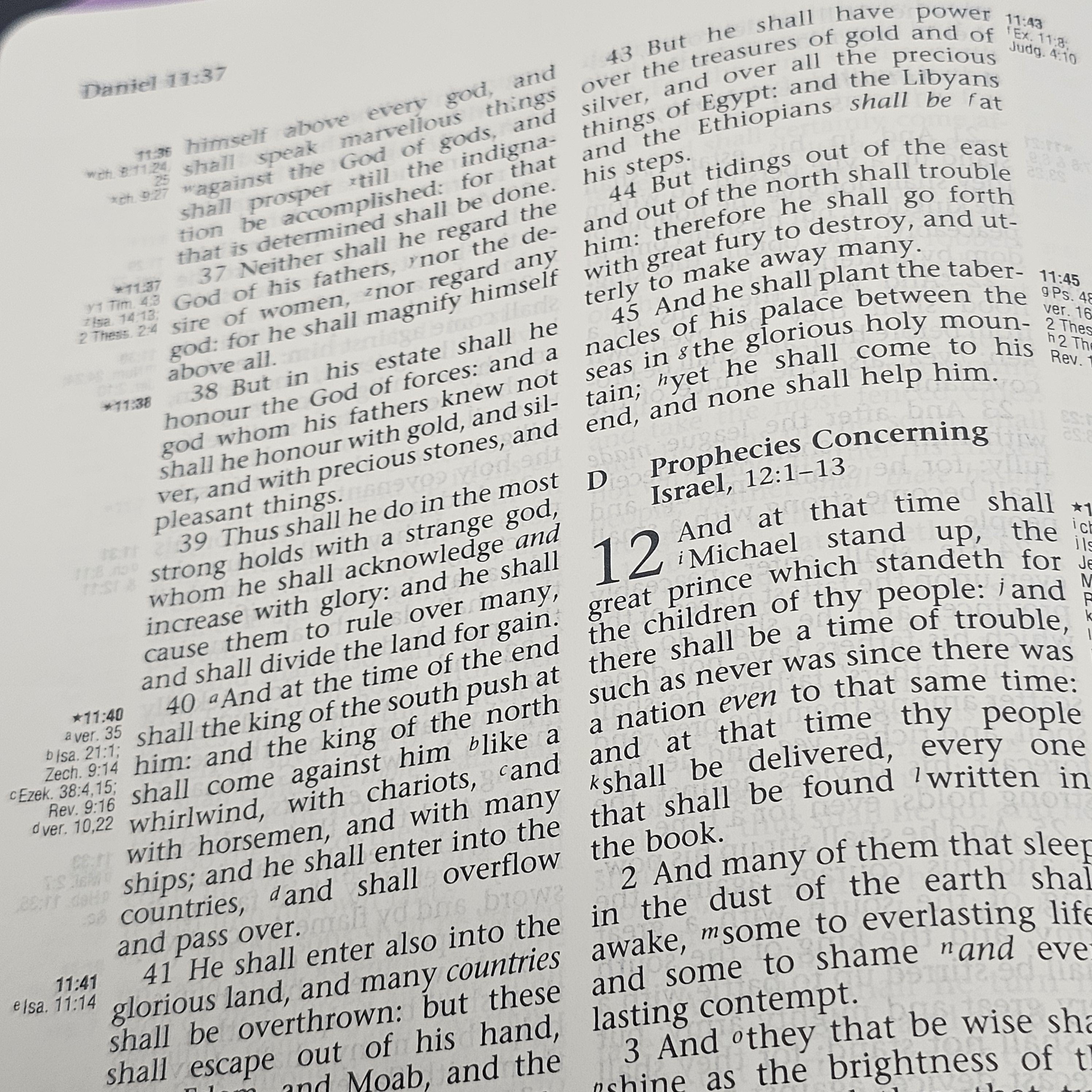
But thou, O Daniel, shut up the words, and seal the book, even to the time of the end: many shall run to and fro, and knowledge shall be increased.
Daniel 12 gives us a great picture of the end-of -the-age, and the deliverance of Israel. In this chapter there is one telling sentence that many scholars say that points a prophecy that is being fulfilled in our very time. That scripture referenced is this verse, Daniel 12:4, where it says. “many shall run to and fro, and knowledge shall be increase”. Some say that this is the telling sign that is bring fulfilled in our generation. The sign of going to and from and the increase in human knowledge. They point out the dynamic speed at which we can obtain knowledge on a subject these days via the internet. With apps like “hey Google”, “Alexis”, “Siri”, and other AI technologies we can find information on anything, and write our own dissertation, or even a book on knowledge that we did not have two minutes ago. It can then be published to the whole world in a matter of seconds. The availability of specialized and advanced training and collage has exploded across the globe. These institutions of higher learning are no long just available to the rich and elite in society, but they have been made accessible to the poor and the meek of societies all over the world.
As a result, before 1900 human knowledge increased at a rate of doubling every century. By the end of WWII human knowledge increased at a rate of doubling every 25 years. Today if is dependent on the field of knowledge, but in general human knowledge doubles every 13 months to 2 years. With the advent of AI, it is expected that we will soon be able to double human knowledge every 12 hours. This could very well be an indicator of the end times that Daniel is talking about.
If you also consider the “to and fro” aspect of the verse, then we can see an increase in the ability of people to travel long distances in shorter periods of time. We even have areas of the globe that were isolated for the entire history of the earth, that are now readily accessible through specialized vehicles and equipment. We have military submarines that have been recorded to go as deep as 1500 m below sea level. The Lockheed SR-71 can reach Mack 3.3 (2,100 mph). Trips around the globe that were once impossible are now completed in minutes. Many saber rattles point to these things as signs of the end times that were spoken of by Jesus and the prophets. These are discussed as signs of the apocalypse on podcasts and prophecy conferences from different corners of the globe. Admittedly, these could be a part of the meaning of the prophecy of Daniel mentioned here.
Scripture often has a dual application, one that we can readily see and one that is deeper in meaning, in context. The entire journal of Daniel is an example of this dual meaning. While we see the workings of how God is sovereign and judges Israel and then delivers them by his grace. That is not all to the story; in the deeper context we see the representation of Babylon as the World System that comes together to enslave Israel. We also see Daniel as a type of Christ who is to overcome the world and bring salvation to Israel from his obedience to the will of the Father. We see the playing out of the war between the antichrist and the Christ depicted in the enslavement of the kingdoms of the world to Babylon, and then the imminent redemption of the world by God through Darius. With all these things in mind, let us examine the context of this passage in Daniel.
First let us get some perspective. Apocalyptic or Eschatology (study of last things) written in the bible was not written to the world. It is written to the Church and to Israel and Judah. They are not intended to be scarry subjects that need to have a cell phone or newspaper in one hand and the scriptures in the other. They are meant as an answer to a question. When and How will you come? They are written as an encouragement. The Revelation of Jesus Christ given through the Apostle John was written during a time of intense persecution of the church. Saints were being tortured to death, martyred for their faith. There question was, when is Jesus going to return? What is going on with the promise? In similar fashion we have the writing of Daniel to Judah. Jerusalem and the temple have been destroyed; Judah is broken. The people have been enslaved and subjected to the rule of foreign gods. Some have been tortured and killed for their faith. The question becomes, where is God? Did he abandon us? When will he avenge his name and deliver his people?
This section of Daniel is only a small part of that answer that is given by God. We cannot pull it out of context of the rest of the book, nor the rest of end-times prophecy. Daniel reveals that God has not abandoned Judah, nor Israel. Jehovah will send a savior to deliver Israel and Judah. He will send them the Messiah. This messiah was prophesied to come through the tribe of Judah. (Genesis 49:10) Before this messiah does come there will be a going of to and from and knowledge will increase. This will be an indicator that the figs are ready for harvest. Jesus himself spoke of these events of the end of days when he said. “Now learn a parable of the fig tree; When his branch is yet tender, and putteth forth leaves, ye know that summer is nigh: So likewise ye, when ye shall see all these things, know that it is near, even at the doors.” (Matthew 24:32-33) Jesus said that we should study and when these things are seen, we should be prepared for his arrival. So we must study the meaning of the text.
The text in question is a follow up on the preceding events. Remember Daniel is speaking to Israel and Judah. The antichrist will come and the lands will be divided. For 3 ½ years the power to divide the people of God will be given to this antichrist and many will be martyred for not bowing down to the foreign god. Then Michael will stand up and the deliverance of Israel and Judah will come. The righteous will be delivered and the wicked condemned. Then the scripture says, “But thou, O Daniel, shut up the words, and seal the book, even to the time of the end: many shall run to and fro, and knowledge shall be increased.”. Later it is repeated, Go thy way, Daniel: for the words are closed up and sealed till the time of the end (Daniel 12:9).
I remember when I was in school and when final exams came. Suddenly I was very interested in what the text of the books said. I needed to know all the information, that I should have already known, and would have known, if I would have studied and listened in class. I know needed the information for the final test, that would determine if I was to be a success or a failure. So the night before the exams I would study very intensely. Flipping through the pages, and the books, reading summaries. My eyes would go “to and fro” in search of any truth I could find to help me to anticipate the questions on the test and to prepare for the final examination. I suspect that this is the true meaning of this passage.
The meaning of this passage and the whole book was sealed until the end times. The understanding of this passage and others would not be comprehendible until the final days. Then people will get serious about seeking the true God. Israel would be willing to lay aside its religion and the ways of the world to seek God himself. They would search the scriptures and reread Daniel to see what they missed. In the end times they would accept a false messiah, and when their eyes were opened to their folly, they would seek out the true Messiah. Their eyes would be opened. What could be the event that opens their eyes? Well the two previous verses talk about the delivery of those whose names are found in the book of life, and the resurrection of the saints. It would appear that the rapture may be the trigger event that alerts the Jews that their messiah did come.
Knowledge is always shown to be from God in the scriptures. (Hosea 4:6-7; Psalms 119:66; Proverbs 1:5,7; 2:6; 9:10;1 Corinthians 12:8; 2 Peter 1:3; Isaiah 28:29) The increase in knowledge would be an increase in understanding of God and his Word. They would search the scriptures like a student studying for the final exam. James, the half-brother of Jesus wrote in his epistle, “If any of you lack wisdom, let him ask of God, that giveth to all men liberally, and upbraideth not; and it shall be given him.” (James 1:5). So just as God seeks those who seek him, when the descendants of Israel ask for understanding, he will give it to them.
They will have their eyes opened by the Holy Spirit and they will see that Jesus is the promised Messiah; that they rejected. They will repent and turn to God. Then God (Jesus) will come to deliver them in righteousness and glory. Jesus said, “And this gospel of the kingdom shall be preached in all the world for a witness unto all nations; and then shall the end come.When ye therefore shall see the abomination of desolation, spoken of by Daniel the prophet, stand in the holy place, (whoso readeth, let him understand:)” (Matthew 24:14-15). Jesus himself refers the Jews to look back to Daniel the prophet, in the last days to gain understanding.
We can certainly see how the common interpretation of this verse, Daniel 12:4, can mean that human knowledge will increase and that our ability to move about the world quicker and more freely would be increased. However, considering the surrounding scripture we cannot make the mistake of interpreting this verse with modern gentile eyes. We can instead take the information already given to the target audience. The target audience is the Jews in captivity and the Jews of the Tribulation.
Its purpose is to encourage them of a day of deliverance by their anointed Messiah. The surrounding text supports that the meaning of the book will not be understandable to Israel until the end is near. Then in the re-study of the book of Daniel, and the prophecies of Isaiah, Ezekeil, Jesus, and other prophets, along with the events unfolding, they will finally understand the truth of Jesus Christ and receive their salvation. We as Christians, can already see these things and we should pray for peace for Israel and their salvation in Messiah Jesus.
The Book of Daniel is found in the Ketuvim (Writings) or the third section of the Hebrew scriptures or in the Prophets of Old Testament of the Bible. It details the events of the prophet Daniel and the various kings that he served under during the Babylonian Exile of the Jews, between 597 B.C and 538 B.C. During this time Daniel served under five different kings (Nebuchadnezzar, Merodach, Belshazzar, Darius, and Cyrus). The book is written in two languages. It starts with Hebrew then in the second to seventh chapters it is written in Aramaic, and then it finishes the final chapters in Hebrew. This is quite telling considering the story begins in Jerusalem, then moves to Babylon, and ends with the Jews returning to Jerusalem. The first 6 chapters contain the accounts of the experiences of Daniel under the first four kings shows Daniel’s faithfulness to God and the influence that he has with the kings because of God. He excels in training, teaching, and in dream interpretation. God delivers him and his faithful friends from death and persecutions. The second half of the book primarily deals with the apocalyptic visions of Daniel and give insight into the period called the 70 weeks of Daniel.
Many see the book of Daniel as a call to faithfulness on part of the people of God. However, it is much more than that. It is an instruction an example of how to be faithful to God in heart and purpose. Daniel and his friends who us what faithfulness looks like, what it feels like, and the source of how to be faithful. This is because the main theme in Daniel is not the faithfulness of Daniel and his friends, but in the sovereignty and faithfulness of God. The faithfulness of God is seen throughout this book; it is in the fiery furnace, the lion’s den, the fulfilment of the prophecies and the predictions of the future Messiah. We see the faithfulness and sovereignty of God in the day-to-day affairs of the Israelites under captivity. We understand that Daniel, Shadrach, Meshack, and Abednego all trusted in the faithfulness of God. They learned this faithfulness from their previous study of God’s Word and the examples of the faithfulness of their own parents.
Unlike other books of the Old Testament, there is no call for repentance from Israel echoing from its verses. Instead, Daniel is concerned with consistency in faithfulness among the believers in Jehovah. Obedience is what God desires, and Daniel is the teacher on this point. Scripture makes a minimum of 38 references to God preferring obedience over any other form of worship. Obedience is required whether under the Law or under Grace. Moses said that to live under the commandments is to be obedient to the Law. Paul and James say that to submit to Grace is to be obedient to the will of God in Christ. 1 Samuel 15:22 tells us that, “to obey is better than sacrifice”. Jesus said, “If ye love me, keep my commandments.” (John 14:15) Grant it that Jesus was still talking to Jews. However, he was looking forward to after his resurrection, when the Holy Spirit would be given. Jesus was looking forward to the dispensation of Grace through his blood sacrifice. See. Romans 5:19. Paul even adds, “Know ye not, that to whom ye yield yourselves servants to obey, his servants ye are to whom ye obey; whether of sin unto death, or of obedience unto righteousness?” (Romans 6:16). Obedience is therefore a demonstration of faith, we call that faithfulness. Therefore, faithfulness (obedience) is a demonstration of faith. Grace must be received in faith, because we who are sinful cannot produce righteousness of ourselves. Grace is a gift from God. Obedience through faith is an acknowledgement of that gift. (Ephesians 2:8-9)
This book is unique in another way, it is the only Old Testament book that is written completely in apocalyptic language. This makes this book an essential part of any study of the end times and especially the study of the Revelation of Jesus Christ written by John the Apostle. As part of the eschatology of Daniel we see the main theology of the sovereignty of God throughout time, from everlasting to everlasting and the outline of how God will be faithful to his promise to redeem Adam.
The everlasting Kingdom of God, ruled at the hands of his Son as conqueror and King of Kings will subjugate and replace the earthy rulers and worldly powers and bring about his millennial kingdom; and a new heavens and a new earth.
Scholars identify four themes found in this book. They consist of: The Sovereignty of God; The Pride of Man; The Coming of the Messiah; and The Ultimate Victory of God. This book is filled with all kinds of hidden gems. For example, we get a glimpse of God’s plan to redeem the gentiles in the redemption of Nebuchadnezzar after his repentance. Therefore, we find in this text that God is not just the God of Israel, but of the whole world. He is ultimately the God who rules the nations, and who formed the whole of Creation.
Key People in Daniel
Daniel the author and prophet
The Five Kings (Nebuchadnezzar, Belshazzar, Darius, Cyrus)
THE JPS TANAKH-1917 (Hebrew Bible) is recognized as the most authoritative and preferred English translation of the Hebrew Bible according to The Jewish Publication Society. For almost a century this has been the prominent English version of the Hebrew Bible. In it Zechariah 13:6 reads, ” And one shall say unto him: ‘What are these wounds between thy hands?’ Then he shall answer: ‘Those with which I was wounded in the house of my friends.’”
The King James reads:
And one shall say unto him, What are these wounds in thine hands? Then he shall answer, Those with which I was wounded in the house of my friends.
The Holman Christian Standard Bible reads:
If someone asks him: What are these wounds on your chest?—then he will answer: I received the wounds in the house of my friends.
The American Standard Bible reads:
And one shall say unto him, What are these wounds between thine arms? Then he shall answer, Those with which I was wounded in the house of my friends.
English Standard Version
And if one asks him, ‘What are these wounds on your back?’ he will say, ‘The wounds I received in the house of my friends.’
Contemporary English Version
And if any of them are asked why they are wounded, they will answer, “It happened at the house of some friends.”
This verse and the context which comes with it, is a clear prophecy to the crucifixion of Jesus Christ. In fact the Gospel of Matthew, Jesus refers to Zechariah 13:7 when he says, “All ye shall be offended because of me this night: for it is written, I will smite the shepherd, and the sheep of the flock shall be scattered abroad.” (Matthew 26:31). This pointing to the crucifixion is clearly indicated in the Hebrew Tanakh (1917) and in the King James Version. However, as we can see with these few samples above, almost every modern translation fails to show the piercing of the hands. This is an important part of the gospel. So important that God mentions it more than in just this passage.
“For dogs have compassed me: the assembly of the wicked have inclosed me: they pierced my hands and my feet.” (Psalm 22:16).
My bones are pierced in me in the night season: and my sinews take no rest. (Job 30:17)
And I will pour upon the house of David, and upon the inhabitants of Jerusalem, the spirit of grace and of supplications: and they shall look upon me whom they have pierced, and they shall mourn for him, as one mourneth for his only son, and shall be in bitterness for him, as one that is in bitterness for his firstborn. (Zechariah 12:10)
Is this not how the serpent beguiled Eve? By taking what God said and twisting it into something similar; but not the truth? Tell me again how it doesn’t matter what translation you are using. How they all say the same thing. Because these do not say the same thing. Were his wounds on his hands, his chest, somewhere between the arms, on his back, or just some unmentioned location (as in the CEV)? This removes one of the most important prophecies concerning the method in which the messiah would suffer.
Psalm 77 is to the chief musician, to Jeduthun and is a psalm of Asaph. Jeduthun and Asaph were Levites and two of three Masters of Music appointed by king David. (1 Chronicles 16:41-42; 25:1-6)
This is an awesome psalm of one crying out to God and having full confidence that his supplications have been heard. There is also a certain amount of spiritual maturity shown in the writer. Right off we see that he is willing to wait for and to accept the will of the Lord. He has full confidence in the Lord and his capabilities, cares, and goodness towards him.
The psalmist starts with a message of pure hope, “I cried unto God with my voice, even unto God with my voice; and he gave ear unto me.” He is very specific. I cried unto God, with my voice, and he listened. What a glorious faith that is, to know that God hears his children when they cry.
We also see the consistency of the prayer made. He says that he prayed hard all night, he ceased not. His soul could not be comforted. He remembered God in his distress, and he complained, he was overwhelmed with is plight. Here in this we see the confidence and confoundment the seeker has, he says that God sees him, he knows all that he does. Even when he sleeps, God knows when he awakes. So there is no mistaking that God knows what vexes his soul. He is confused as to when God will deliver him, or if at all. But he takes comfort in remembering what God has done for him in the past. So that even if God does not deliver him, he still knows that God is good. He is willing to accept the will of the Lord, for he trusts the judgement of the Lord.
In his remembrance of what the Lord has done he remembers that God is the same God who declared his strength to his people in how he delivered the sons of Jacob and Joseph. How he controls the seas, and the storms have no strength against his will. His ways are as unknown as the depths of the oceans. His plans are undiscoverable. His will is above all. Yet he chose to lead his people like a flock by the hand of Moses and Aaron. How beautiful is our God. How perfect is his way.
1 (To the chief Musician, to Jeduthun, A Psalm of Asaph.) I cried unto God with my voice, even unto God with my voice; and he gave ear unto me. 2 In the day of my trouble I sought the Lord: my sore ran in the night, and ceased not: my soul refused to be comforted. 3 I remembered God, and was troubled: I complained, and my spirit was overwhelmed. Selah.4 Thou holdest mine eyes waking: I am so troubled that I cannot speak. 5 I have considered the days of old, the years of ancient times. 6 I call to remembrance my song in the night: I commune with mine own heart: and my spirit made diligent search.7 Will the Lord cast off for ever? and will he be favourable no more? 8 Is his mercy clean gone for ever? doth his promise fail for evermore? 9 Hath God forgotten to be gracious? hath he in anger shut up his tender mercies? Selah. 10 And I said, This is my infirmity: but I will remember the years of the right hand of the most High. 11 I will remember the works of the LORD: surely I will remember thy wonders of old. 12 I will meditate also of all thy work, and talk of thy doings. 13 Thy way, O God, is in the sanctuary: who is so great a God as our God? 14 Thou art the God that doest wonders: thou hast declared thy strength among the people. 15 Thou hast with thine arm redeemed thy people, the sons of Jacob and Joseph. Selah. 16 The waters saw thee, O God, the waters saw thee; they were afraid: the depths also were troubled. 17 The clouds poured out water: the skies sent out a sound: thine arrows also went abroad. 18 The voice of thy thunder was in the heaven: the lightnings lightened the world: the earth trembled and shook. 19 Thy way is in the sea, and thy path in the great waters, and thy footsteps are not known. 20 Thou leddest thy people like a flock by the hand of Moses and Aaron.
What a great place to be. On our knees, pleading our case before God. What a great assurance we have to know that he has bent his ear towards us. He has not simply nodded his head as he reads the morning headlines. He has not just read the summary of the book. He has instead given his full attention. In knowing all that is in our hearts, nothing was assumed. He has cherished every word that slipped through our trembling lips. Every tear cried, every agonizing groan had been felt by God, even my God… our God.
We can rest assure as the psalmist that we have been heard. That our cause has been understood and is under the perfect consideration of the one who is perfect in all of his ways. He who chose to deliver Israel, he who chose to deliver our very souls from sin and death. Surely we can have confidence that no matter what his decision may be, that our best interests are in his heart. Selah…
Psalm 73 starts the 3rd book of the Psalms. It is a Psalm of Asaph. It discusses the prosperity of the wicked, the chastening of the righteous, and God’s view of wickedness. It is easy for us to overlook the goodness of God in our lives. This is because what we think is good to have and to be like, and how to be treated is based on the things we see around us and are taught of in this worldly like.
1 (A Psalm of Asaph.) Truly God is good to Israel, even to such as are of a clean heart.
2 But as for me, my feet were almost gone; my steps had well nigh slipped.
3 For I was envious at the foolish, when I saw the prosperity of the wicked.
4 For there are no bands in their death: but their strength is firm.
5 They are not in trouble as other men; neither are they plagued like other men.
6 Therefore pride compasseth them about as a chain; violence covereth them as a garment.
7 Their eyes stand out with fatness: they have more than heart could wish.
8 They are corrupt, and speak wickedly concerning oppression: they speak loftily.
9 They set their mouth against the heavens, and their tongue walketh through the earth.
10 Therefore his people return hither: and waters of a full cup are wrung out to them.
11 And they say, How doth God know? and is there knowledge in the most High?
12 Behold, these are the ungodly, who prosper in the world; they increase in riches.
So when we see the wicked prosper and how quickly they are rewarded for their evil works, we can become envious of their lifestyles. We see the corruption of the politicians who mock God and steal from the poor and line their pockets, openly violating the laws and yet there seems to be no consequences, no justice. They speak evil of God and of holy things, and yet they are not punished. Their violence is rewarded with great plunder at the cost of the lives of the weak and defenseless.
13 Verily I have cleansed my heart in vain, and washed my hands in innocency.
14 For all the day long have I been plagued, and chastened every morning.
15 If I say, I will speak thus; behold, I should offend against the generation of thy children.
16 When I thought to know this, it was too painful for me;
It seems that the righteous have sanctified themselves in vain. The righteous are plagued and chastised continuously. They are mocked by the corrupted. Victimized by the aggressors and the sinful. In turning the other check the Christian is often forced to face humiliation, physical harm, emotional distress, and even death. When scripture says to present ourselves a living sacrifice, it is often very literal. For the ones who look at the world and how the wicked prosper it seems futile to remain chased. There seems to be no point in remaining innocent of blood. If the payment for sin is so lucrative, then what is the downside? However, when we turn our eyes away from the world and look to the Lord, we see his sanctuary. This is a place of rest, and security. It is a place of safety.
17 Until I went into the sanctuary of God; then understood I their end.
18 Surely thou didst set them in slippery places: thou castedst them down into destruction.
19 How are they brought into desolation, as in a moment! they are utterly consumed with terrors.
20 As a dream when one awaketh; so, O Lord, when thou awakest, thou shalt despise their image.
For God does not see the exploits of the wicked in the same manner as the world does. The Lord tell us in Proverbs, “There is a way which seemeth right unto a man, but the end thereof are the ways of death.” (Proverbs 14:12). The lifestyle that the wicked live in is a slippery slope that only leads to destruction. The very things that they are rewarded with are temporary. They lead them astray, and give them false confidences. The Word of the Lord again states, “Labour not to be rich: cease from thine own wisdom.” (Proverbs 23:4). The wicked are blinded by their own desires. When they finally see their end, it is too late. We see that the Lord does not reward them, he despises the wickedness of their hearts. He leaves them to their own ends. Their end is death eternal. This is the fate of the wicked as recorded in Revelation 21:8 – “But the fearful, and unbelieving, and the abominable, and murderers, and whoremongers, and sorcerers, and idolaters, and all liars, shall have their part in the lake which burneth with fire and brimstone: which is the second death.”
21 Thus my heart was grieved, and I was pricked in my reins.
22 So foolish was I, and ignorant: I was as a beast before thee.
23 Nevertheless I am continually with thee: thou hast holden me by my right hand.
24 Thou shalt guide me with thy counsel, and afterward receive me to glory.
25 Whom have I in heaven but thee? and there is none upon earth that I desire beside thee.
26 My flesh and my heart faileth: but God is the strength of my heart, and my portion for ever.
27 For, lo, they that are far from thee shall perish: thou hast destroyed all them that go a whoring from thee.
28 But it is good for me to draw near to God: I have put my trust in the Lord GOD, that I may declare all thy works.
But the ones who seek righteousness. They are filled through the steady leading of the LORD. For he does chastise in order to correct in love. His chastisement brings wisdom, in the fear of the LORD and the working of his hands. When his flesh is tired and worn out, the LORD is his strength to continue on the way of righteousness, which delivers him from the wrath of God. This grooming by the Lord God is what brings a man to Jesus Christ the righteous. Those who see the value of the sacrifice made for them by the death, burial, and resurrections of Jesus Christ have this righteousness imputed to them. So this very chastisement is a sanctuary protecting us and causing us to continue in righteousness. It keep us close to the heart of God. But those who do not listen to the chastisement of the LORD, they are far from him. They do not fear him. They do not seek his righteousness in Jesus Christ. Instead they follow the god of this world. Instead of seeking eternal peace with God they seek the temporary rewards of this dying world. Scripture calls them idolaters, adulterers who whore themselves out to Satan. All those who whore themselves after the god of this world, they “shall perish”. So as Asaph declares, “it is good for me to draw near to God: I have put my trust it the Lord God, that I may declare all thy works.”. God has provided a pardon and dismissal of your unrighteousness in Jesus Christ, and only Jesus Christ. This is the declaration of the work of God. “For he hath made him to be sin for us, who knew no sin; that we might be made the righteousness of God in him.” (2 Corinthians 5:21)
O Jerusalem, Jerusalem, which killest the prophets, and stonest them that are sent unto thee; how often would I have gathered thy children together, as a hen doth gather her brood under her wings, and ye would not!
Ref: Luke 13:34; Zechariah 2 Chronicles 24:20; Matthew 23:35; Luke 11:51
While the Lord says that he has sent prophet after prophet to lead Israel to repentance time and time again they would not listen and continued in their idolatries. Jesus has someone specific in mind when he is talking about the prophets they killed. He has a bold example of the killing of a prophet the exemplifies his meaning. Both Matthew 23 and Luke 11 elaborate on this prophet. His death is quickly mentioned in 2 Chronicles, almost as an incidental circumstance that many Jews dismissed as a part of their checkered past. The death of this prophet would seem to be insignificant in Gods plans, however, we see that God did not forget him. Jesus is giving testimony of what King David wrote, “Precious in the sight of the LORD is the death of his saints.” (Psalm 116:15). If not a sparrow falls to the ground without the Almighty God knowing, and the blood of the righteous cry out to God day and night, surely the death of his loved ones echoes through his heart at all times. Here in Luke 13 Jesus tells us that, not only does he remember, but this very generation will be held accountable for the blood, of all the saints, including this one unremembered prophet.
This generation thought of themselves as more enlightened than their predecessors. They told themselves that they were better then their forefathers, that they would not have killed the prophets of old if they were sent to them. They are far superior in understanding and more fearful of God then their generations before them. But Jesus says, no.. I have sent you prophets, and you have killed them also. One such prophet that we know of is John the Baptist who was beheaded. Jesus also knew that they would soon kill him. Not only that Jesus knew that they would also kill those who follow after him, in his name. Here Matthew’s version of this event:
Woe unto you, scribes and Pharisees, hypocrites! because ye build the tombs of the prophets, and garnish the sepulchres of the righteous, And say, If we had been in the days of our fathers, we would not have been partakers with them in the blood of the prophets. Wherefore ye be witnesses unto yourselves, that ye are the children of them which killed the prophets. Fill ye up then the measure of your fathers. Ye serpents, ye generation of vipers, how can ye escape the damnation of hell? Wherefore, behold, I send unto you prophets, and wise men, and scribes: and some of them ye shall kill and crucify; and some of them shall ye scourge in your synagogues, and persecute them from city to city: That upon you may come all the righteous blood shed upon the earth, from the blood of righteous Abel unto the blood of Zacharias son of Barachias, whom ye slew between the temple and the altar. Verily I say unto you, All these things shall come upon this generation. O Jerusalem, Jerusalem, thou that killest the prophets, and stonest them which are sent unto thee, how often would I have gathered thy children together, even as a hen gathereth her chickens under her wings, and ye would not! (Matthew 23:29-37).
The prophet Zacharias was slain in 2 Chronicles 24:20 because the princes of Judah pleaded with the king to allow them to let them worship other Gods. The king consented and this led them to trespass against God and to violate their covenant relationship with God. The LORD in his mercy sent them prophets to warn them of their trespass and to have them repent and return to him. But they rejected the words of the LORD sent by his prophets. Then the scripture says, “Now after the death of Jehoiada came the princes of Judah, and made obeisance to the king. Then the king hearkened unto them. And they left the house of the LORD God of their fathers, and served groves and idols: and wrath came upon Judah and Jerusalem for this their trespass. Yet he sent prophets to them, to bring them again unto the LORD; and they testified against them: but they would not give ear. And the Spirit of God came upon Zechariah the son of Jehoiada the priest, which stood above the people, and said unto them, Thus saith God, Why transgress ye the commandments of the LORD, that ye cannot prosper? because ye have forsaken the LORD, he hath also forsaken you. And they conspired against him, and stoned him with stones at the commandment of the king in the court of the house of the LORD. Thus Joash the king remembered not the kindness which Jehoiada his father had done to him, but slew his son. And when he died, he said, The LORD look upon it, and require it.” (2 Chronicles 24:17-22).
Just six short verses and the fate of the nation was sealed, by their own actions, not Gods. But did you catch the last verse? It says, “The LORD look upon it, and require it”. For those who do not understand plain English, it says that the Lord saw this and held them accountable for the death of his servant Zechariah. Now here in the New Testament passages we read we see that God has not forgotten the death of Zechariah. We find a truth about God that many want to ignore. God does remember. God does hold us accountable.
We all love to hear about the love of God, but many want to ignore the part where God requires that all sin be accounted for. The distorted Gospel of Love and Prosperity has mislead millions into a watered down Christianity. Many Christians in western society do not even see the need for Christ to be involved in their salvation. They believe that God forgives all and that they can do as they please with no fear of death or judgement. They do not understand that it is the love of God that sent his son, Jesus (Emmanuel – God with us), to come and to sacrifice his life so that we might have eternal life. Might is the operative work that Jesus himself uses, “For God sent not his Son into the world to condemn the world; but that the world through him might be saved.” (John 3:17). That is that salvation is made possible though Jesus Christ, but it is ONLY through him that a man can be saved. (Acts 4:12) Faith in Jesus as the Son of God, and the Lamb of God, who came to sacrifice himself for us, is the only way, by trusting in this grace of God, can a man be saved. It is FAITH in Jesus.
Unfortunately, many in this world have been so lied to that they don’t even know what they are being saved from of why it is necessary. They think that just saying they believe in Jesus and getting baptized has saved them. But this in not according to scripture, they have believed a half-truth. They do not know that salvation comes by true repentance, and faith. This real repentance and faith in who God is, what his wrath is, and the mercy he has shown in Jesus Christ requires a change in our hearts and in our lives. They do not understand the scriptures that say we have not been delivered from sin, so that we might sin more. That is because the church of the west has failed to keep its own doctrines. We are not so different from the Jews of their time who say that they would not have killed the prophets yet could not see that they are just as guilty. So, we say, if we were alive when Jesus was here, we would have believed, and changed, and would not have killed him. We would have listened to God. Yet here we sit with all out 20/20 hindsight, and yet we still act as if Jesus does not really exist, and we don’t listen to God, and remain in our sin.
The western church sees confession of Jesus as a means to bind God into their selfish desires. They wish to remain in their sins, to enjoy the freedom of sinning as they please and require that God just accept them as they are. If he is loving, then he must accept them and their sin. Surely, he wants them to be happy. In addition, since they sometimes show up at church, God is expected to bless them for giving the time of day. They recite promises of God and expect that he his honor bound to keep them, even though they have not met the scriptural basis for the promised blessing. In truth, they have not even read, much less studied to see the conditions of the promise. Yet every man that walks today is an authority on God.
By way of example, did you listen to what Zechariah told the princes of Judah? “Why transgress ye the commandments of the LORD, that ye cannot prosper? because ye have forsaken the LORD, he hath also forsaken you.” (2 Chronicles 24:20) There it is plain as day. The blessings of the LORD come from obedience to the will of God. God is not a god among many gods. Jesus is not a way among many ways to God. The Word of God is not a truth among many truths. God says I am the LORD thy God, there is no other salvation. (Isaiah 43:5; 45:5) Thou shalt have no other Gods. (Hosea 13:4; Exodus 20:2-3) Thou should not make unto the any graven image, or any likeness… not bow down to them. (Exodus 20:4-5)
This is the same thing that every prophet has ever said, this is what Zechariah said, and this is what Jesus said. God is merciful and loving. He reaches out in love to be your God. He rewards those who love him with his loving kindness, his presence, and all the benefits of him being their God. Their only God. Those who love him and keep his commandments. Those who say they love him and demonstrate their love for him, he will be their God. Those who do not keep his commandment, obviously do not love him. The LORD does not want lip service. He does not want divided loyalties. Those who do not follow his commandments with their heart, he will visit their iniquity upon them and their descendants. That is serious stuff.
Now in this passage, Jesus is talking to the children of Israel. He says, “O Jerusalem”. Jesus is in mourning over the judgement that they have continuously brought upon themselves. God did not want to pronounce judgement, he desired to protect them from their enemies, and most of all from themselves. We who have children can certainly understand this dilemma. Sometimes, you must make the call you dread the most. Sometimes the only way to teach a child is with tough love. So if God would not spare the judgement of his own chosen people, the ones he called his first son, then what keeps him from judging his adopted children, or even more so, those who have rejected him? You see the same commandments he gave to Israel are what he gave to us. That we should love the LORD and love one another.
Mark 12:29-31 – And Jesus answered him, The first of all the commandments is, Hear, O Israel; The Lord our God is one Lord: And thou shalt love the Lord thy God with all thy heart, and with all thy soul, and with all thy mind, and with all thy strength: this is the first commandment. And the second is like, namely this, Thou shalt love thy neighbour as thyself. There is none other commandment greater than these.
John 13:34 – A new commandment I give unto you, That ye love one another; as I have loved you, that ye also love one another.
John 14:15 – If ye love me, keep my commandments.
You see the things of this world are perishing. People’s opinions are never important. Money never lasts. Values are lost or waisted on things that are destroyed by rust, or moths, or eventually buried in dust. “And the world passeth away, and the lust thereof: but he that doeth the will of God abideth for ever. (1 John 2:17) This is not an Old Testament scripture. It is important to see that the will of the LORD must be adhered to in order to be saved. You see, in order to know the will of the LORD, you must first acknowledge that God does exist. Then you have to know that he let us know what his will is. That means that you have to accept the bible as the Word of God. In it contains the plan of salvation from cover to cover. This plan points indirectly and directly to Jesus Christ as the way the LORD desires that men should be saved. It is his WILL than all should be saved. But they must come to him though his son, Jesus Christ. Jesus says if you love me… This means that you have to believe on him, that he first loved you, and that he gave his life for you. You must believe that he is God and there for LORD. If he is LORD then you are his servant. Servants love their LORD and are obedient. Servant can only serve one LORD. Jesus says, If you love me… keep my commandments. Love the LORD your God with everything in you and love one another has he, the LORD, loves us. How much does he love us? He loves us enough that he died for us, in our place. How much should we love God? How much should we love one another? We can put aside of selfishness and piety now. We can just rest in our love and trust of Jesus and love one another because the LORD loves us.
I hope that title caught your attention. In all honesty, I can probably say that my church is not as large as yours is. However, this title is a little funny look at the way we sometimes compare ourselves to one another. We often get caught up on how big a church is. Many like to boast that they go to such and such church, “You know the big one on the corner of such and such“. With so no lack of pride we will tell of the great sanctuary and the stain glass windows. Or maybe we will point out the multiple classrooms, the coffee shop or the bookstore. There is nothing wrong with this. Unless we put our measure of success upon how big our church is. Different size churches can have great success in their place in God’s plan. The apostle Paul wrote, “And there are differences of administrations, but the same Lord.” (1 Corinthians 12:5).
In truth most churches in the world have less than 100 people on their rolls. The bulk of churches of the world are small to medium congregations that vary from 5-250 active members (I specify active because active members are the only ones who contribute to the mission of the church – don’t fool yourself). The major growths in Christianity around the world are brought from small churches that grow into medium churches or who plant other small churches. These churches are different in their purpose and design than larger churches. They have their own positive and negative attributes.
Small churches (less than 100) have high levels of member commitment. The members are also more consistent in their tithes and offerings, and volunteer work. They have less of a staff and therefore dedicate more of their budget to missionary work. They will likely have a bi-vocational pastor, and because of their small size, he will be easily available to the membership. The membership is likely to be aware of the burden on the clergy and are more likely to assist the pastor with his duties and donate food and clothing to him and his family to ease his financial burdens. There is a genuine care in the membership for one another. Evidence of this is that these churches are likely to have a food closet that is open to any members of the local church. Membership in these churches are generally aligned from family and close friendships, and an occasionally new comer who was invited to attend and then joined the church.
Their Achilles heel of an older small church is that they are likely to have a good portion of their budget tied up in building maintenance. They are also likely to have most of their membership in being 65 or older. They are also likely to have no children. As a general rule their membership is not seeking to increase membership. If this is the case for a small church, then they are a dead church. Unless a change is brought in their evangelism they will no longer exist. For the majority of small churches who are active in evangelism, they will soon grow either in church planting other churches and missionary work, or they will increase in size and take other responsibilities and outreached in the community.
Medium sized churches of congregations of 101-250 active members are more likely to open their buildings up for use to outside organizations that serve a service to the community. Those may be the scouts, a food bank, a day care center, a meeting place for AA or NA meetings and such. They are likely to have a free library available to members instead of a bookstore or a coffee shop. Their main interests are likely to see the membership grow through discipleship classes, small group studies, consistent Wednesday evening Bible studies, Tuesday evening prayer meetings and these things. They will have active committees to care for different needs of the church, its membership, and the outreach programs. They are likely to have a lively children’s ministry, and may even have a certified school for certain age ranges.
As you can see there is a great service that the small and medium churches perform to the growth of Christianity, missions, and in service to the community. So if you’re in a small church, don’t sweat it. Enjoy the fellowship, get involved with the mission, and share the name of Jesus!
There are those who try to discredit Christmas as a Christian holiday because some aspects of the modern celebration are imported from pagan holidays that existed prior to Christianity. Even the Puritans had the celebration of Christmas outlawed for several years. The reason was because they thought that the Christmas celebration borrowed to much from pagan religions and was therefore no longer Christian. They considered that this made it ungodly to celebrate Christmas, for fear that they would be guilty of actually be worshiping a false god. That is a strawman argument.
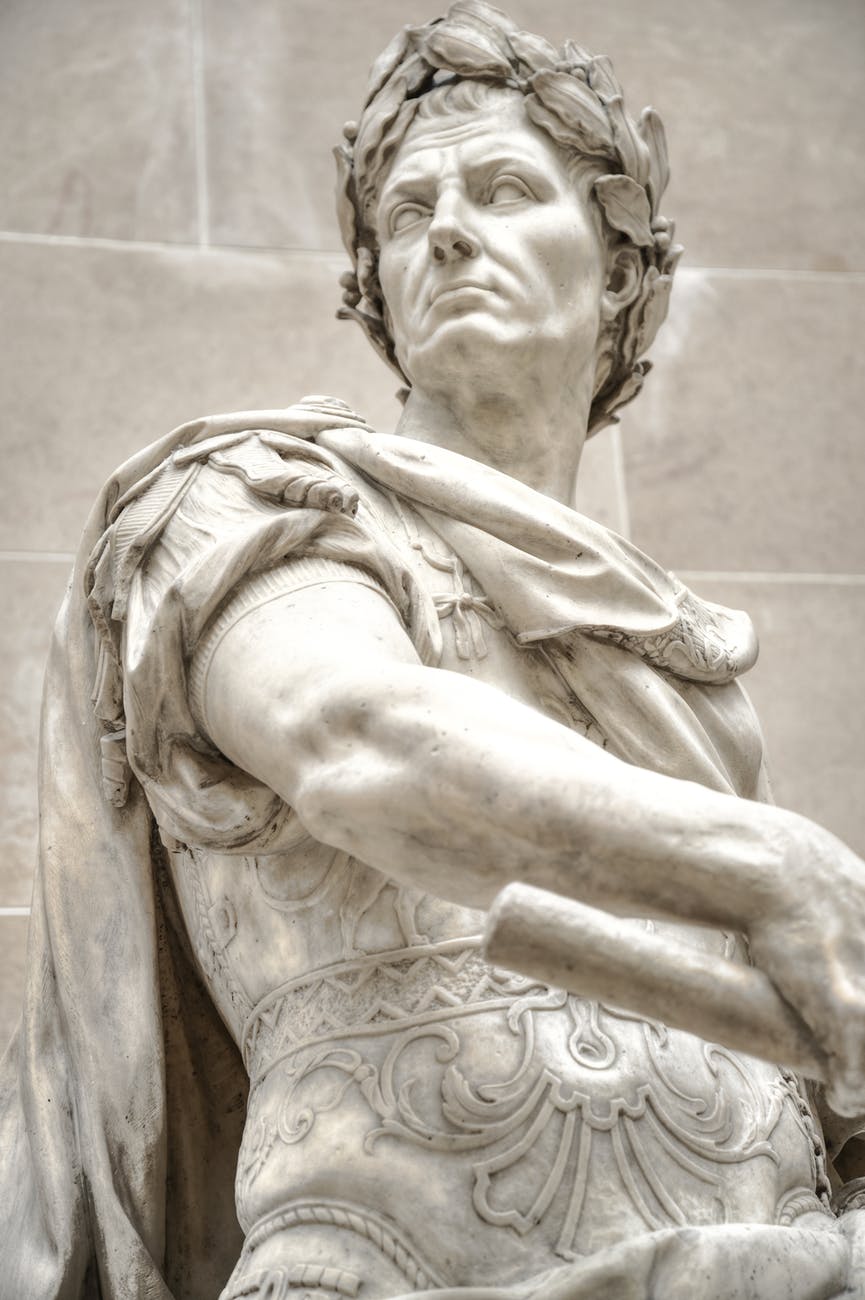
Cultures all over the world and in different time periods have always had an impact on other cultures when they came into contact. Even the dominant cultures have been affected by those of whom they have conquered and absorbed customs and even beliefs. Rome was undoubtedly influenced by the many cultures that it met with, including the Christian culture. In return, ancient Rome has had a great impact on the whole world. This impact has reached all the way into modern societies, and with it has come it’s version of Christianity. As the Roman Empire flourished it affected, art, architecture, language, and even legal systems and military strategies. With this came the other influences that came from the pagan societies that impacted ancient Rome. The catalyst for this particular season of joy is the winter solstice.
The winter solstice was celebrated by many ancient cultures including the Celts, Romans, and Druids. They would celebrate winter solstice (or the shortest day of the year) in December. With this celebration and Christmas being adopted during the same timeframe we will see many similarities between the pagan traditions of Rome and that of Christmas.
The winter solstice was extremely important to the agricultural life of the pagan. This solstice marked the end of the long harvest season and gave a momentary rest from the harvest labors and the planting season ahead. It also marked the onset of winter. Long hard days surviving the isolation and scarcity of food and interaction lay ahead. The celebration was a chance to celebrate and enjoy the company of family and friends and wish them well through the winter. The Roman celebration was referred to as Saturnalia.
Saturnalia was dedicated to the Roman god Saturn. Saturn is like the Greek god Cronus. The Roman and Greek gods have been so interlaced that many confuse them for being the same gods. This is an example of the cultural influences that occurred over time. This festival’s influence is still felt throughout the modern world. While the Winter solstice is generally the 22 of December, the Roman’s celebration was originally on the 17th of December.
Saturnalia was the most popular festival in Rome and lasted for seven days. It was originally celebrated for one day and was eventually extended to seven days. With the extension of the celebration, we can see how this is like our Christmas to New Year celebration in the United States. All work and businesses were suspended, and slaves were temporarily free during this time. In fact, the roles of master and slave were temporarily reversed. Slaves were allowed to order their masters around, within reason of course. The end of the festival culminated with the giving of a gift, presents like candles, fruit, or statuettes were primary gifts. The gift was usually given from one person to another, and were meant as a means of obtaining favor from the god Saturn
Another cultural influence on Christmas came from the Roman honoring of Saturn with mistletoe. To appease Saturn, they would perform fertility rites beneath branches of mistletoe. Other pagan cultures used mistletoe as a sacred plant and associated it with a stay of hostilities or a truce, much like we see the use of a white flag. Enemies would meet under a mistletoe as a sign of truce. Along with that the Romans would exchange wreaths made of holy as a sign of good luck and well wishes. Ornaments in the forms of idols also decorated the exterior of the Roman homes during this celebration. This custom was also seen in the Germanic areas where they would decorate trees in honor of Odin during the winter solstice. This custom of ornaments and lights on the Christmas tree was undoubtedly adopted from their influence.
It is no wonder that when Rome took over Christianity and converted their holidays into Christian holidays that they would take the traditions they used to and apply them into the official state religious celebration of Christmas. However, this does not take away from the current or Christian meaning for celebrating Christmas. The pagan meanings and worship of false gods have long lost their meaning and have been overtaken by either Christendom or commercialism. Frankly I am more concerned with the commercialism as this does specifically go against Christian values. However, this does not diminish Christians who celebrate Christmas, nor does it mandate that the holiday be renamed from “Merry Christmas” to “Happy Holidays” to be inclusive or more historically accurate.
Christians do not lose their Christianity just because the Romans (Catholic Church) have incorporated aspects of pagan traditions into the holiday. Christians actually celebrate the arrival of God in the flesh, the birth of Jesus Christ, his death, burial, and resurrection through out the year, every Sunday. In addition, having a special day to celebrate his birthday is a great remembrance of this miracle event, when God became his own creation. It does not even really matter if it is on his actual birthday. I am sure that God appreciates the time of remembrance and celebration for his amazing gift to mankind. In addition, this gives us a venue to invite pagans and atheist into our homes and churches, our Christian culture. We have an opportunity to let them experience the grace of God the Father in Jesus Christ, God the Son, and to experience the presence of God the Holy Spirit in the heart of the believer. Christians should celebrate Christmas with all humility and generosity that they can. We need not be ashamed of the gospel of Jesus Christ. Who cares if they unsuccessfully tried to discredit our celebration? We celebrate the birth of our Lord Jesus Christ. Let them see Jesus!
I am amazed at how many professing Christians get divorced. One study finds that a person who has strong religious beliefs has a risk of divorce that is 14 percent less than those who do not have strong religious beliefs, in the United States. Something that I found interesting is that cohabitating prior to marriage actually increases the chance of divorce by 40 percent. [1] The numbers of divorced Christians may include the ones who have previously divorced prior to becoming Christians and therefore may have skewed the numbers a bit. In addition, many Americans profess to be Christian but rarely attend weekly church services.
Of these who call themselves Christians and divorce or separated are reported to have these following beliefs, according to Pew Research [2]
Divorced or Separated Statistics on Beliefs
69% Believe in God with absolute certainty
57% Believe that religion is important to one’s life
32% Attend Church Services at least once a week
61% Pray on a daily basis
25% Participate in prayer groups, Scripture Study groups, or in religious education
34% Consider religion as a source of guidance on what is right and wrong
31% Believe in absolutes of right and wrong
39% Read scripture at least once a week
36% Believe that the scriptures should be taken literally
73% Believe in Heaven
60% Believe in Hell
These are frightening statistics for me as a Pastor. That means that most of the people who call themselves Christians, are not. It also means that most those who are, are confused, and mislead. They are confused and mislead because they have listened to what the world says a Christian is and have not taken the authority of scripture seriously in their lives. God call this foolishness, and it is dangerous. Even at looking at this one statistic of divorce, we can see that worldliness has had a devastating effect on our Christian homes. We see that in these broken families that 69% believe in God and that they believe in Heaven. However, we also see that only 36% believe that scripture can be taken seriously. They have no definite sense of right and wrong morality. They have instead been seduced into the philosophy of situational ethics. This stance takes the position that there are no absolute codes of moral context to ethics, instead decision is made depending upon the context of the situation. So then, it is not wrong to have an abortion if the lady does not feel equipped to raise a child, instead of seeing the unborn baby as an image bearer of God and a special gift given by God to the mother, and understanding that taking of a life is wrong, especially if the life is totally defenseless and cannot speak for itself.
These professing Christians are actually not Christians at all. They do not attend bible study groups, church services, read scripture for themselves. They do not pray, because they do not think that God hears them, will answer, or even cares. All of this is from their own self-imposed ignorance of God. No, they may say that they believe in God, but in practice they do not. This is why their families are in shambles and reeling in divorce.
Now, I have upset some of you. Well, I can only say read on, because this letter is written in love. My heart is broken over the divorce rate of our brothers and sisters in Christ. So then we will look at what God says. In just one area of this debacle. We will deal with the husbands, “so-called”, rights of divorce. You know… “boo hoo, my wife doesn’t do everything I want…” or “I’ve grown bored and need to live life…”, or what ever your spur of the moment, “just because” reason for seeking a divorce from your devoted and loving wife. You see here in this scripture; we see the Pharisees came to ask Jesus about this very issue. Now the Pharisees were the religious elite. They spent years in seminary, they knew the 1st five books by heart. They were the teachers of the law. They sat in on the counsels to determine if a law was broken and if there was a penalty to be paid.
The Pharisees also came unto him, tempting him, and saying unto him, Is it lawful for a man to put away his wife for every cause? And he answered and said unto them, Have ye not read, that he which made them at the beginning made them male and female, And said, For this cause shall a man leave father and mother, and shall cleave to his wife: and they twain shall be one flesh? Wherefore they are no more twain, but one flesh. What therefore God hath joined together, let not man put asunder. (Matthew 19:3-6)
Do you see that? These fellers thought that they would be slick. They tried to catch Jesus off guard. The know what the actual will of God was. They also knew why Moses allowed Divorce. They knew that the covenant of a man and a woman was to be an example of the covenant between God and man. They knew these things and more that we are not going to discuss right now that concerned marriage. But we will look at the husbands’ responsibilities in the marriage toward his wife and the response that Jesus gave concerning that. They thought that they would be able to accuse him before the Law, because Moses had allowed divorce. So, if he said that is was Lawful then this gave them authority, but if he said that it is not lawful then they would say that he did not honor Moses or the Law, or the prophets.
But instead of Jesus being caught off guard, he went to a time that superseded the Law. This is because his priesthood is superior to the priesthood of Aaron. Aarons priest hood was anchored in the Law. But Jesus’ priesthood is after the order of Melchizedek. This priesthood is preceding to the priesthood of Aaron and of the Law of Moses. Jesus, therefore, goes back to the beginning. He can do this because he was there, in the beginning. All things were made by him, and without him was nothing made that was made. Jesus is an eyewitness to the war in heaven and the affairs of the Garden. See, Jesus said, “at the beginning made the male and female.” This means that God purposed the sexes and created them distinctly for a specific reason. This purpose of the man and the woman to unite as one, marriage, would be the very reason why a man was to leave his parents, and woman to leave her home. This is their purpose, not to be single, not to play the field, and most certainly not to have casual sex. But we men are a selfish bunch.
We love to put our own needs and desires above anyone else’s. Why not we are the strong ones, who have to go out and show our dominance in the home and in the workplace. We are the “king of the house”. Husbands are those of us who should no longer need to “sow our oats”. We have put those childish things aside. We should instead show do respect to our wives and a singleness of heart. Even as a Christian we should show do respect to God for who he is and have a singleness of heart towards Christ Jesus who is our bridegroom.
Saint Peter puts it like this, “Likewise, ye husbands, dwell with them according to knowledge, giving honour unto the wife, as unto the weaker vessel, and as being heirs together of the grace of life; that your prayers be not hindered.” (1 Peter 3:7) We should have an understanding that we are the provider and the safety and the strong hold for our wives. We are their protector. We are to protect them from the harm that comes from without the sanctuary that is our marriage. We must realize that we are not put in authority as a husband to rule over them, but to help them. We are not better than they are, we are both heirs of righteousness in Jesus Christ as a couple. We are the one flesh that we were made by God to be. Remember what God said in Genesis? “For this cause shall a man leave his father and mother, and shall cleave unto his wife: and they shall be one flesh” (Genesis 2:24). This is the cause… to cleave to his wife and become one flesh. Shall a man divorce his own hand? Or shall a man remove his own eye for “just because”? This word cleave means to hold fast to or to cling to. The husband is to hold on to his wife and not let go.
“For no man ever yet hated his own flesh; but nourisheth and cherisheth it, even as the Lord the church: For we are members of his body, of his flesh, and of his bones. For this cause shall a man leave his father and mother, and shall be joined unto his wife, and they two shall be one flesh.. “ (Ephesians 5:28-31) Ok wait a minute. This is a deep concept here. You hear what the saint says here? He said the same thing I just did. No healthy, in his right mind, man hates his own flesh. It is in our DNA to protect ourselves from harm. It is our instinct to protect ourselves from harm. That is why we have that little chemical that flows through our veins and muscles that gives us the emergency burst of energy we need for a “flight or fight” response to danger. This is saying that we husbands are of one flesh with our wives and that we should treat a threat against our marriage in the same manner as we would a threat to our own body. We should fight unto death or take our wife and flee. Especially where sexual sins are concerned, we should flee and not allow ourselves to be tempted.
Before we move on out of this chapter in Ephesians, you better get your bible out! Paul compares the marriage of a husband and wife to the relationship of the Church and Christ. Even as Christ is to present his bride spotless before God the Father, so are to present you wife spotless before Christ. What? You say? You don’t believe me? Listen to Jesus’ very own words on divorce, “But I say unto you, That whosoever shall put away his wife, saving for the cause of fornication, causeth her to commit adultery: and whosoever shall marry her that is divorced committeth adultery.” (Matthew 5:32) What a shameful mess we are in today that divorce is so vast in the church. Husband! Present you wife and your marriage as a sweet smelling incense before the throne of the Lamb.
The least of the Apostles, who was born out of season says that we should honor our wives out of love. Listen to what he wrote the church of Ephesus and Colossae.
Husbands, love your wives, and be not bitter against them. (Colossians 3:19)
Husbands, love your wives, even as Christ also loved the church, and gave himself for it; (Ephesians 5:25)
Wow, Paul says that a husband should not only love his wife but to love her sacrificially. This is not a sexual love. It is not even a “feeling” of “being-in-love”, no sir this is a mentally committed love that chooses to put the wife’s needs above his own selfish desires. This is the love that God gives us. This is the love that God expects from us towards him. This is how he expects the husband to demonstrate his love for God, in that he should love his wife in the same manner. This is the love you wife deserves, and it is the love that you deserve to give her. That is why the Apostle Paul also tells us, “Nevertheless let every one of you in particular so love his wife even as himself; and the wife see that she reverence her husband.” (Ephesians 5:33) Husband pay close attention, he says first love you wife, then the wife should show you do reverence. Not the other way around. Let the husband render unto the wife due benevolence: and likewise also the wife unto the husband. (1 Corinthians 7:3)
How do we do this? Well, we must keep in mind that God gave us our wife as a help-mate. The husband and the wife are a team. We are to share intimacy in all levels of our lives. We should know that we have been given to one another as a blessing from God. This life is hard and has all kinds of trials and distractions. There are many hardships, and the heart of man is a lonely place. That is why we have been given a wife. To share in these moments of traveling from hilltops to valleys. To support one another and encourage one another in the hard times, to cry with in the times of heartbreak, and to rejoice with in times of joy. This is the relationship that God lives with us, through our wives. God gives us wisdom in this.
Live joyfully with the wife whom thou lovest all the days of the life of thy vanity, which he hath given thee under the sun, all the days of thy vanity: for that is thy portion in this life, and in thy labour which thou takest under the sun. (Ecclesiastes 9:9)
We would do well to remember that this world has perverted the institution of marriage, and the sanctity of the wedding bed. God gave us this gift of one wife. We should consider it an honorable institution and one worth fighting for. There are great rewards in marriage and there are terrible consequences to walking away from it, once we have taken a covenant vow before God.
Marriage is honourable in all, and the bed undefiled: but whoremongers and adulterers God will judge. (Hebrews 13:4)
So is it lawful for a man to put his wife away for any reason (just because)? According to man, it may be done. However, according to God, No it is unlawful.
................... for lovers of ice cream. Your free on line magazine for sweet frozen treats. Recipes, inspiration, artisanal ideas for your delectation.