
And there were in the same country shepherds abiding in the field, keeping watch over their flock by night. And, lo, the angel of the Lord came upon them, and the glory of the Lord shone round about them: and they were sore afraid. And the angel said unto them, Fear not: for, behold, I bring you good tidings of great joy, which shall be to all people. For unto you is born this day in the city of David a Saviour, which is Christ the Lord. And this shall be a sign unto you; Ye shall find the babe wrapped in swaddling clothes, lying in a manger. And suddenly there was with the angel a multitude of the heavenly host praising God, and saying, Glory to God in the highest, and on earth peace, good will toward men. And it came to pass, as the angels were gone away from them into heaven, the shepherds said one to another, Let us now go even unto Bethlehem, and see this thing which is come to pass, which the Lord hath made known unto us. And they came with haste, and found Mary, and Joseph, and the babe lying in a manger. And when they had seen it, they made known abroad the saying which was told them concerning this child. (Luke 2:8-17)
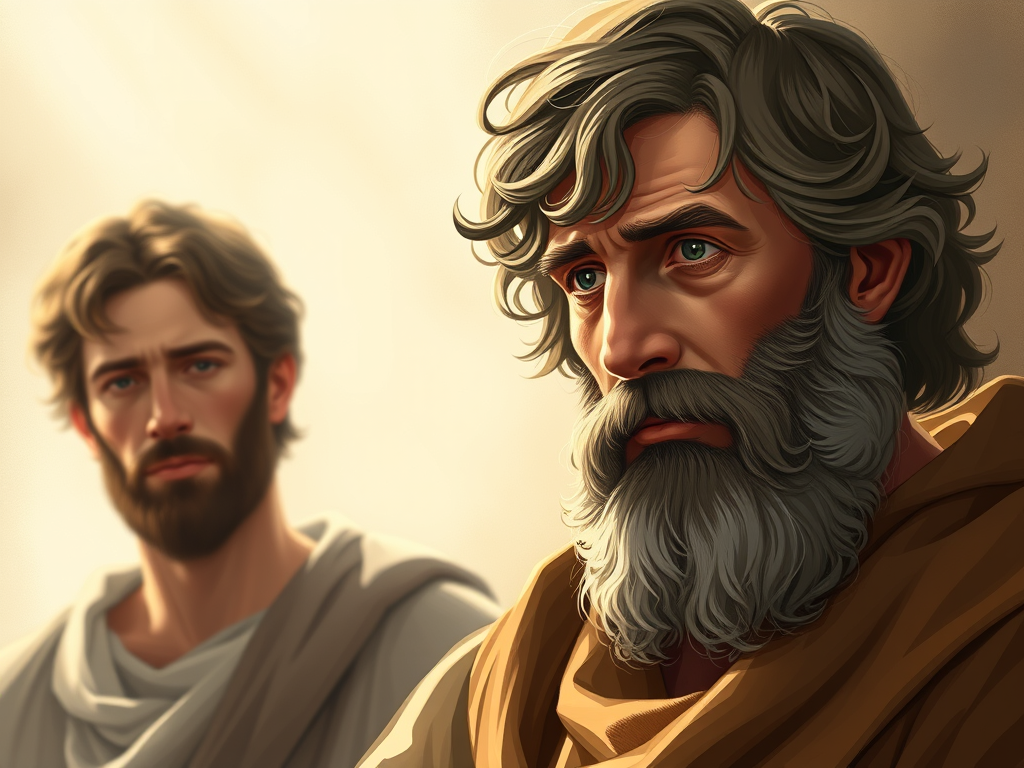
There are many who would try to tell you that Jesus was not a real historical figure. There are also those who would tell you that Jesus was not a real man, who was flesh and blood. This belief is associated with Docetism, it is an early Christian heresy. Some churches in the Oneness Pentecostals and Unitarians stress the divine, spiritual nature of Jesus. What the gospels give us is several eyewitness accounts to the birth, life, death, and resurrection of a real true to life, flesh and blood man, who was of divine origin. He was not a creation of man, nor of God, rather he is God. The gospel of John says that he is the very word of God who created all things. Christmas is our remembrance of when God came down and dwelt among his people, and then laid himself down as a sacrifice for the sin of man. Once this penalty was paid. He (Jesus Christ) picked up his life and returned to his throne at the right hand of the Father. Make no mistake, these things happened.
There are also several other witnesses concerning Jesus, that are extra-biblical. There are historical accounts from ancient Roman and Jewish historians and official. These accounts corroborate the existence of a real man who is named Jesus. These documents support the gospel accounts of the crucifixion of Jesus under Pontius Pilate. They document the early growth of the church and their early belief in the deity of Jesus.
- Flavius Josephus (Jewish Historian, c. 90 AD): Mentions Jesus, James (his brother), and reports of him as the Messiah, aligning with Gospel accounts. [1]
- This is the approximate time that many believe that the Apostle John wrote his 3 letters and the Revelation of Jesus Christ.
- Tacitus (Roman Historian, c. 110 AD): Confirms Jesus’ execution by Pilate and the early Christians’ worship of “Christus”. [2]
- Pliny the Younger (Roman Governor, c. 112 AD): Wrote to Emperor Trajan about Christians worshipping Christ as a god, confirming his historical reality. [3]
- Mara bar-Serapion (Syriac Philosopher, c. 73 AD): Wrote about the Jews killing their “wise king,” connecting it to the fall of the Jewish kingdom. [4]
- This is the time shortly after most of the New Testament letters were written and would have been in deep circulation in the Christian communities
- Lucian of Samosata (Greek Satirist, c. 180 AD): Sarcastically noted Christian’s worshipping “that crucified sophist,” confirming his followers and crucifixion.[5]
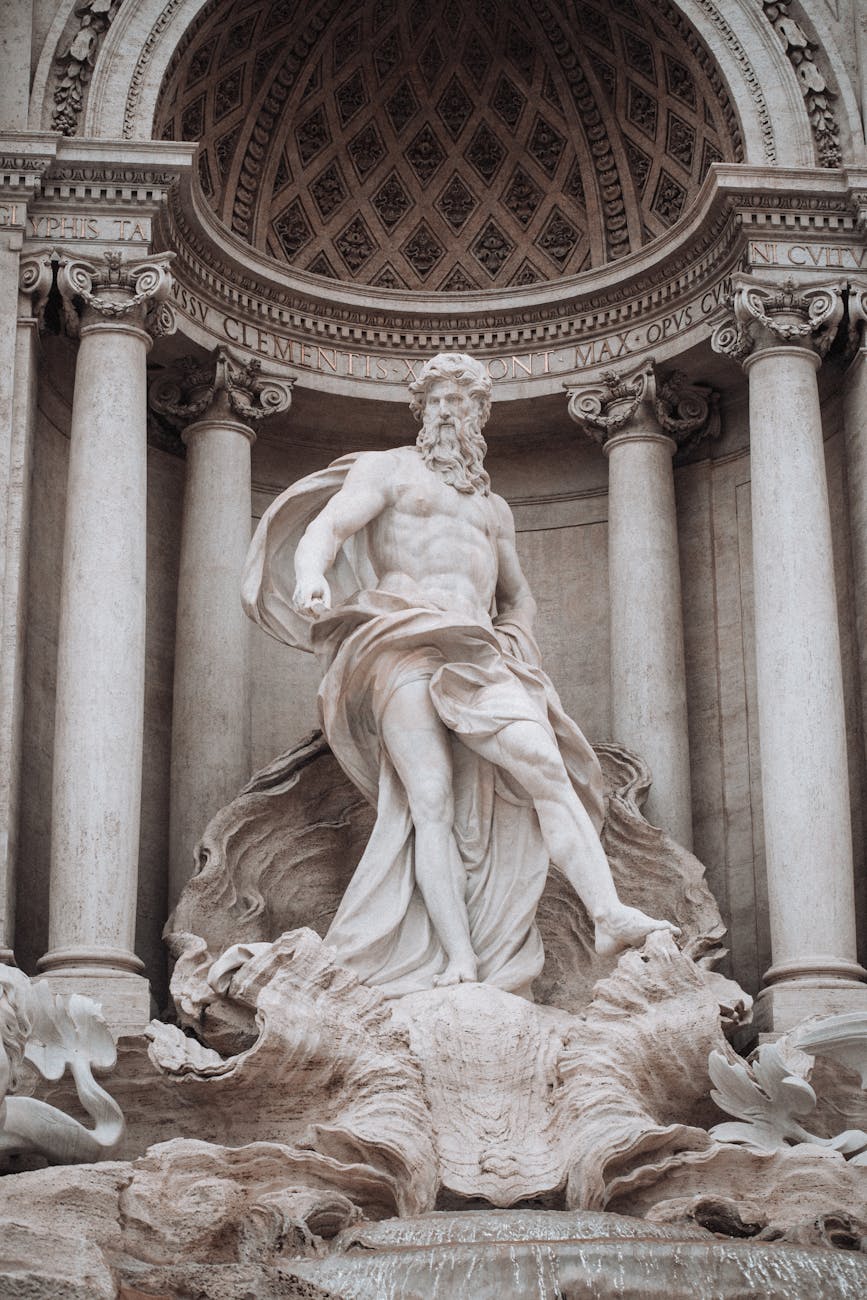
So, the Roman Empire, Jewish historians, and Greek philosophers and satirists knew that Jesus was born, dies on a cross, and was believed to be resurrected. They knew that he was a physical man who was born, and that he did die. They may not have believe that he was also divine, however, they knew that others believed in the resurrection and the divinity of Jesus Christ.
Among the gospel accounts, we have Luke. He was a physician who was a close companion to Paul, who is an Apostle of Jesus Christ. I say “is” because the gospel of Mark states, He (God) is not a God of the dead, but the God of the living. (Mark 12:27, emphasis mine)
Luke is the author of the Gospel of Luke and the Book of Acts. He was not an eye-witness. But apparently for Theophilus he undertook this query into the truth claims of the Apostles by interviewing eyewitnesses and conducted thorough research. Under the direction of the Holy Spirit, he wrote an orderly, accurate account for a Gentile (non-Jewish) audience of the actions and beliefs concerning Jesus of Nazareth. He found ample evidence and credibility of the witnesses to put his name, reputation, and life on the line for the biography and historical record he produced.
This is why Luke speaks with full confidence and authority when he writes.
Forasmuch as many have taken in hand to set forth in order a declaration of those things which are most surely believed among us, Even as they delivered them unto us, which from the beginning were eyewitnesses, and ministers of the word; It seemed good to me also, having had perfect understanding of all things from the very first, to write unto thee in order, most excellent Theophilus,That thou mightest know the certainty of those things, wherein thou hast been instructed. (Luke 1:1-4)
Luke tells us that the things he has taken down and proclaimed to us are the things that are most assuredly believed by the followers of Jesus Christ. This is resemblant of his mentor and fellow servant Paul, who wrote the Corinthians saying, “For I have received of the Lord that which I also delivered unto you…” As Paul, Luke has given us a trustworthy testimony of Jesus Christ.

Concerning the manuscripts, there are vast numbers of copies of manuscripts containing various parts or all of Luke. Papyrus 75 (P75) contains large portions of the writings of Luke and John which dates back to the 2nd or 3rd century. Codex Sinaiticus and Vaticanus are fourth century manuscripts that offer an almost complete witness of the New Testament including Luke. We can trust the transmission of this gospel account through history with these evidences of preservation.
We can trust the gospel of Luke. It tell us a lot concerning the birth of Jesus the Christ. It tells us that he was born in the city of David (Bethlehem). His father Joseph was of the lineage of David and because if a census he was required to return to his familial home. This caused the fulfilment of prophecy where it tells us the messiah will come out of Bethlehem. Luke’s gospel account tells us that on the same night that Jesus was born, angels appeared to nearby shepherds.
Scripture says,
Something you may not know about these nearby sheep and the proximity of Bethlehem to Jerusalem. But Bethlehem is just a short walking distance to Jerusalem and to the Temple. The “Tower of the Flock” is located near Bethlehem and was historically linked to the raising of sacrificial animals… suggesting that the flocks were nearby. For the Passover the lambs for the sacrifice for the sin offing had to be without blemish. Tradition tells us that these shepherds near Bethlehem were watching these flocks of lambs intended for Temple sacrifices. How fitting that theses angels were sent to the Shepards, whose duty was to watch over the lambs of God.
John the Baptist declared two times that Jesus is the Lamb of God which takes away the sin of the world (John 1:29). No this was no coincidence and we must see that this is revealed in this gospel for our benefit, so that we may believe on Jesus as the Lamb of God. As Paul put it, “Blessed be the God and Father of our Lord Jesus Christ, who hath blessed us with all spiritual blessings in heavenly places in Christ.” (Ephesians 1:3) We can now get a little understanding why the angels then sang their next report with joy and gladness, scripture:
And suddenly there was with the angel a multitude of the heavenly host praising God, and saying, Glory to God in the highest, and on earth peace, good will toward men
God has sent his son, in the flesh to do what we could not do. He would be the spotless lamb, a lamb without blemish. What man could not do because all men are already condemned under sin, Jesus could do because he was not tainted by original sin. Many believe that it is impossible for a men to not sin. Yet God requires it as though it is possible.
In the Gospel of John we are told of a woman who was caught in adulty and when Jesus forgave her. John 8:10-11 reads:
When Jesus had lifted up himself, and saw none but the woman, he said unto her, Woman, where are those thine accusers? hath no man condemned thee? She said, No man, Lord. And Jesus said unto her, Neither do I condemn thee: go, and sin no more.
Yet we still have this issue with sin. Because of the nature delivered to us from the fall. We were conceived in sin. We were born into sin. We were further conditioned into sin. Sin is all that we have known. We do not even have a reference for what it truly means to be righteous. But Jesus was not conceived in sin. The scripture tell is that the angel told Mary, what you have conceived is from the Holy Spirit and the baby is Holy. This made him spotless from before he was born. He had come to pay the debt for sin for the whole world. In order to do that he had to step into man’s place. Therefore, he had to become a man. Then in his sinlessness, God the Father imputed all our debt unto him. Then he judge him and put him to death. This paid the sin debt. So Jesus did what no one else could do. He removed sin.
Not just a sin, or your past sin. Certainly not just some sins. Instead, John the Baptist tells us that Jesus took away the sin of the world. That is all sin! Sin had been delt with.
- 1 John 2:2 – And he is the propitiation for our sins: and not for ours only, but also for the sins of the whole world.
- 1 John 4:10 – Herein is love, not that we loved God, but that he loved us, and sent his Son to be the propitiation for our sins.
- John 3:16 – For God so loved the world, that he gave his only begotten Son, that whosoever believeth in him should not perish, but have everlasting life.
This propitiation means that Jesus Christ’s sacrificial death on the cross satisfied God’s righteous anger against sin, appeasing devine wrath and making it possible for mankind to be forgiven and reconciled to God. This act of justice through Christ’s blood atonement demonstrated God’s love while upholding his holiness. This is what led Paul to write the Romans saying:
For all have sinned, and come short of the glory of God; Being justified freely by his grace through the redemption that is in Christ Jesus: Whom God hath set forth to be a propitiation through faith in his blood, to declare his righteousness for the remission of sins that are past, through the forbearance of God; To declare, I say, at this time his righteousness: that he might be just, and the justifier of him which believeth in Jesus. (Romans 3:24-26).
This is why Jesus is the only way to eternal life. This is why Christmas is so important to remember. This is why we need to know that Jesus was not some made of person. This is why we need confidence in the manuscripts. It is because faith comes by hearing and hearing by the word of God. (Romans 10:17) Trust in Jesus and celebrate his birth, loud and proud, in confidence that what you know is the truth. – Amen
References
Jesus Skeptic. Exist Serapoin. 2021. https://www.jesusskeptic.com/exist-serapion (accessed December 18, 2025).
“The Works of Josephus: Complete and Unabridged.” By Flavious Josephus, translated by William Whiston, 815. Peabody: Hendrickson, 1987.
Lucianofsamosata.info. Why Lucian’s View of the Christians and Jesus is Indeterminate. December 16, 2015. https://lucianofsamosata.info/wiki/doku.php?id=2013:why-lucians-view-of-the-christians-and-jesus-is-indeterminate (accessed December 18, 2025).
PBS.org. FrontLine: From Jesus to Christ. April 1998. https://www.pbs.org/wgbh/pages/frontline/shows/religion/maps/primary/pliny.html (accessed December 18, 2025).
The Annals. Vol. Book 15, chap. 44, by Tacitus. Internet Archive, 109.
[1] (Josephus 1987) About a.d. 110. Tacit. Annal. 15.44.—Nero, in order to stifle the rumor, [as if he himself had set Rome on fire], ascribed it to those people who were hated for their wicked practices, and called by the vulgar Christians: these he punished exquisitely. The author of this name was Christ, who, in the reign of Tiberius, was brought to punishment by Pontius Pilate the procurator.
Flavius Josephus and William Whiston, The Works of Josephus: Complete and Unabridged (Peabody: Hendrickson, 1987), 815.
[2] (Tacitus 109) Consequently, to get rid of the report, Nero fastened the guilt and inflicted the most exquisite tortures on a class hated for their abominations, called Chrestians by the populace. Christus, from whom the name had its origin, suffered the extreme penalty during the reign of Tiberius at the hands of one of our procurators, Pontius Pilatus, and a most pernicious superstition, thus checked for the moment, again broke out not only in Judæa, the first source of the evil, but even in Rome, where all things hideous and shameful from every part of the world find their centre and become popular. Accordingly, an arrest was first made of all who pleaded guilty; then, upon their information, an immense multitude was convicted, not so much of the crime of firing the city, as of hatred against mankind. [Source: Annals, Book 15, Chapter 44]
[3] (PBS.org 1998) they assured me that the main of their fault, or of their mistake was this:-That they were wont, on a stated day, to meet together before it was light, and to sing a hymn to Christ, as to a god,
[4] (Jesus Skeptic 2021) A copy of the letter from Mara Bar Serapoin to his son concerning Jesus can be found here.
[5] (Lucianofsamosata.info 2015) Greater discussion on this letter and his comments and the other information available at this site.
 The Way of Christ Ministries